Low-Pressure Water Flosser for Tonsil Stones
Why a low-pressure flosser is the tonsil-safe choice, what pressure range to look for, and how to clear crypt debris without bruising the tissue.
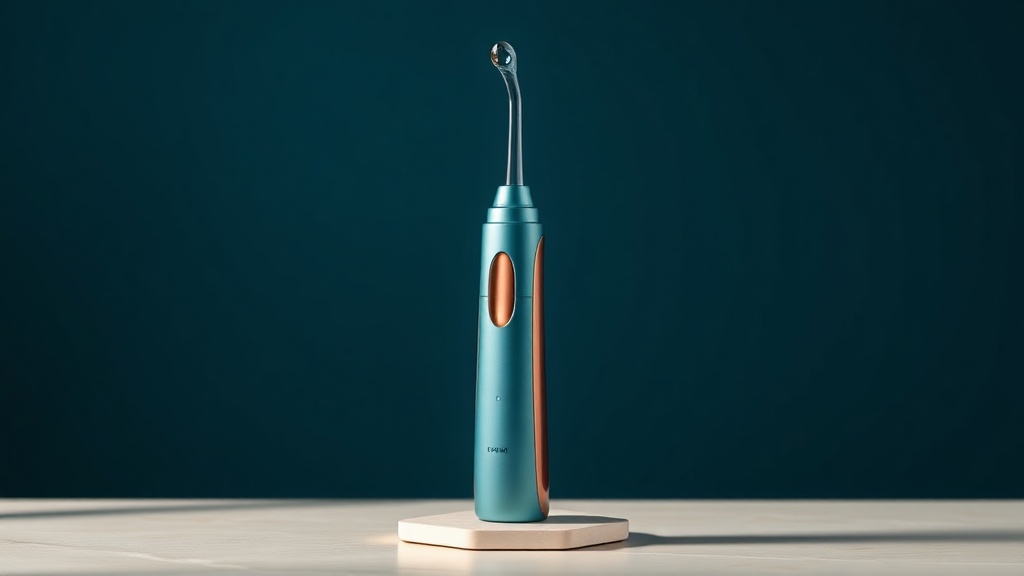
- For tonsil stones, pressure is the whole game: a low-pressure water flosser is the tonsil-safe choice because the throat bruises and bleeds far more easily than the gum line a standard flosser was built for.
- The gentle range people use safely around the tonsils sits roughly between 10 and 35 PSI, while many mainstream flossers only start at 40 PSI and climb past 100 — so the lowest number a device can reach matters more than its highest.
- Irrigation works mechanically: a pulsing jet cleared about 99.9% of a lab biofilm in three seconds, and a single low-pressure cycle measurably lowered the sulfur gases behind bad breath.
- A water flosser clears loose debris only. It does not treat, cure, or prevent any disease, and it will not change the crypt anatomy that lets stones form.
- Choose the device by its lowest setting and its control, not its power; start at the very bottom, aim across the tonsil, and stop the moment you see blood.
A low-pressure water flosser is the safest at-home tool for flushing tonsil-stone debris, because the tonsils bruise and bleed far more easily than gums. Look for a device whose lowest setting reaches the gentle 10 to 35 PSI range, aim the soft stream across the tonsil rather than into it, and stop at any sign of bleeding.
Why low pressure is the whole point
Most advice about tonsil stones tells you to grab a water flosser and skips the one detail that actually matters: how hard the water hits. A water flosser was engineered for the gum line, which welcomes a firm pulse. The tonsils are a completely different tissue — soft, folded, and richly supplied with blood vessels, which is why they bruise and bleed so readily. In one large surgical series, the tonsil-stone group had the highest raw post-operative bleeding rate of any indication, a blunt reminder of how fragile that bed is. This is why the safest tool is defined by its floor, not its ceiling. The community-tested gentle range around the tonsils sits roughly between 10 and 35 PSI, and a device that cannot get that low is the wrong device, no matter how many settings it has above. Low pressure is not a limitation to work around — for the tonsils, it is the entire specification.
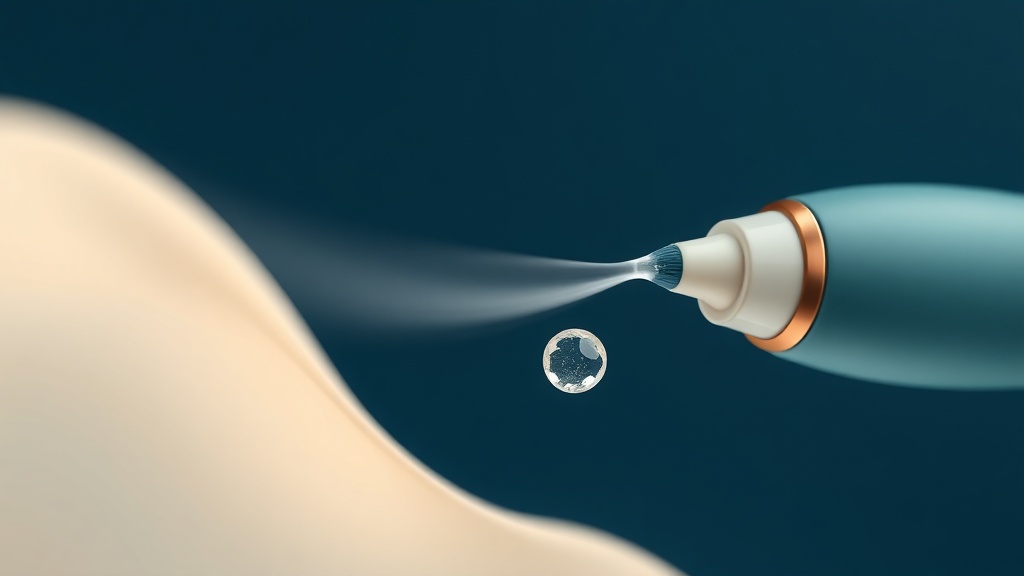
A soft, low-pressure arc glances across the crypt and lifts debris — enough to clear, gentle enough to be safe.
What the research actually shows
Every claim below maps to a named, peer-reviewed source in the Sources section. According to PubMed.
| Claim | Evidence | Source |
|---|---|---|
| A pulsatile water jet removed about 99.9% of a laboratory salivary biofilm in three seconds — even a gentle stream disrupts debris mechanically. | Ex-vivo biofilm study (industry co-author noted). | Gorur et al., 2009 |
| A single oral-irrigation cycle significantly lowered total volatile sulfur compounds and methyl mercaptan and removed about a quarter of plaque. | Independent single-cycle irrigation trial (n=20). | Karm et al., 2025 |
| Oral irrigation was found to be safe and well accepted when used appropriately — the appropriate part meaning gentle, controlled use. | Independent scoping review of 275 sources. | Sarkisova et al., 2024 |
| The tonsil bed bleeds readily: tonsil-stone tonsillectomy carried the highest raw post-operative bleed rate among indications. | Retrospective series of tonsillectomy indications (n=574). | Patel et al., 2022 |
| Rigid self-instrumentation of the throat can cause severe oropharyngeal trauma — the case for a soft stream over any hard tool. | Case report plus review of 13 toothbrush-injury cases. | Kumar et al., 2008 |
How to choose a low-pressure flosser, honestly
| What to look for | Why it matters for tonsils | The honest catch |
|---|---|---|
| Lowest reachable pressure | The floor, near 10 to 35 PSI, is what keeps the tonsil safe — this is the number that matters most | Marketing leads with the maximum PSI; you have to hunt for the minimum. |
| Fine, granular pressure steps | Small increments let you find a truly gentle setting instead of jumping from soft to harsh | Many budget units offer only two or three coarse steps. |
| Soft or curved tonsil tip | A rounded, wider stream is more forgiving than a needle-thin jet aimed at delicate tissue | A special tip helps but never replaces low pressure and careful aim. |
| Cordless, one-handed control | Easier to hold a steady, glancing angle at a mirror without slipping | Smaller reservoirs mean shorter sessions and more refills. |
| Simple, cleanable design | Fewer crevices means easier hygiene of the device itself | Budget tier is fine here; you are paying for control, not for a high top-end. |
Why the flosser succeeds where rinsing stalls
If mouthwash alone had ever been going to fix this, it would have by now. The reason it does not comes down to what a tonsil stone actually is: not an inert pebble but a living biofilm, an organised bacterial community with a nearly oxygen-free core that chemistry struggles to penetrate. In the lab, even prolonged exposure to a strong antiseptic left the deep layers of a biofilm still alive — the surface is killed, the centre carries on. Breaking that structure takes mechanical force, and a gentle stream of water supplies exactly that, reaching into the folds of a crypt that a toothbrush and a swish never enter. It is the same reason ordinary hygiene has been shown to cut general mouth odour while leaving tonsil odour almost untouched: the tools simply do not reach the source. A low-pressure flosser closes that gap, lifting debris out before it can organise and harden — and it does so without the force that makes a stronger jet a liability.
Evidence you can act on.
Occasional emails — new research, new protocols, no noise.
How to use a low-pressure flosser on tonsil stones safely
A low-pressure flosser is the gentle irrigation principle at the heart of the Tonsil Stone Eradication Kit, translated into an at-home routine. None of this treats a disease; it keeps the crypts clear so debris never matures into a stone. Follow the order below, and treat low pressure as the rule you never bend.
- 1
Confirm you are at the lowest setting
before every useEven a low-pressure device has a bottom rung — start there, every single time. Test the stream on the back of your hand first: it should feel like a soft trickle, not a sting. If it stings your skin, it is far too much for a tonsil. You can always keep it gentle; you cannot un-bruise the tissue once it is hurt.
- 2
Warm water, mirror, shallow aim
under a minuteFill the reservoir with lukewarm water, which calms the gag reflex that cold water provokes. Working in front of a mirror, aim the soft stream to glance across the surface of the tonsil at a shallow angle, never straight into a crypt. The goal is to wash debris out sideways, not to drill water into the pocket.
- 3
Short, calm passes
30 to 60 secondsUse a few brief bursts with breaths in between rather than one long stream. Short passes keep you in control, keep gagging down, and let you watch what is loosening. A stone that shifts but will not release is best left — most work free on their own within a day or two of gentle nudging.
- 4
Soothe and rinse
after each sessionFinish with a gentle warm salt-water swish to loosen any last softened debris and settle the throat. Think of this as comfort, not medicine: salt water is not a proven antimicrobial, but it is low-risk and pleasant. Rinse the device with plain water so it stays clean for next time.
- 5
Stop rules are non-negotiable
—Any bleeding, sharp pain, or a gag you cannot settle means stop for the day. A stubborn stone is a signal to leave it alone, not to raise the pressure or reach for a pick. The whole reason to choose low pressure is to keep a cosmetic annoyance from ever becoming an injury — do not undo that in the last thirty seconds.
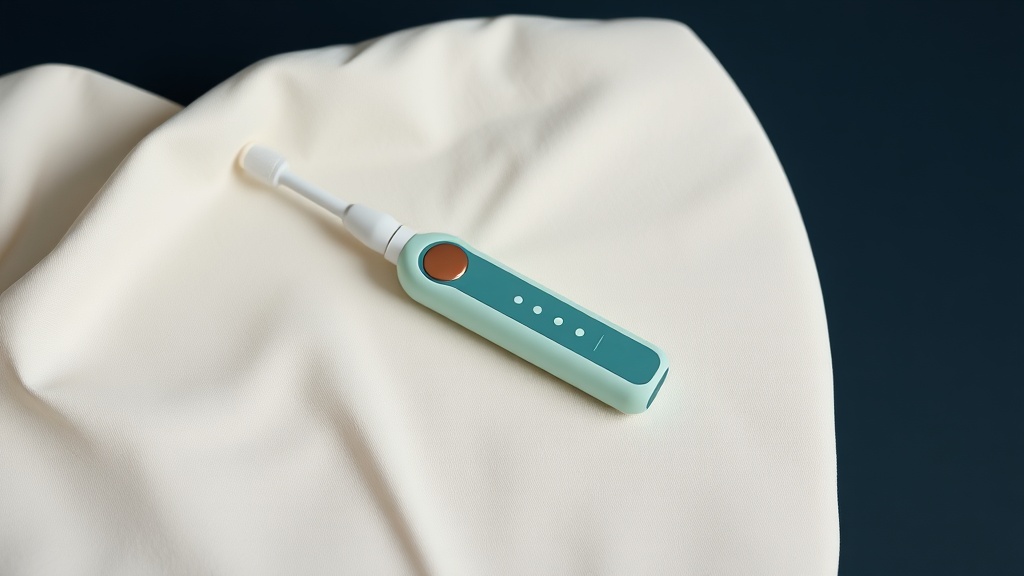
Choose the device by its lowest setting, not its highest — for tonsils, the floor is the feature.
Gentle irrigation is for harmless debris, not for red flags. See a dentist or an ENT if one tonsil stays visibly larger than the other, if you have recurring throat infections, ongoing pain or trouble swallowing, persistent ear pain, or bleeding that does not quickly settle. A lasting one-sided tonsil enlargement especially should be checked in person, because a persistent asymmetry needs a professional to rule out other causes rather than a flosser.
Frequently asked questions
Sources
- 1.
- 2.
- 3.
- 4.
- 5.
- 6.
- 7.
- 8.
- 9.

Fix your breath at the source.
The complete science-backed protocol — engineered to eliminate volatile sulfur compounds at the biological source.
Start the Breath Protocol →Related reading
Educational purposes only. The content on this page is not medical advice and is not a substitute for consultation with a qualified dental or medical professional.
More from the library
 Best Of8 min
Best Mouthwash for Tonsil Stones: What Actually Helps
A rinse can freshen and flush, but it cannot dislodge a deep stone. Here is how to choose well.
Read →→ Guides8 min
How to Get Rid of Tonsil Stones: A Step-by-Step Guide
The safe, evidence-informed way to dislodge tonsil stones and keep the crypts from refilling.
Read →→ Causes8 min
How Do Tonsil Stones Form? The Biology, Honestly Explained
The unglamorous truth about what a tonsil stone is, how it builds up in the folds of your tonsils, and why the crypts that make them are simply part of your anatomy.
Read →→ Guides8 min
What Causes Tonsil Stones? The Biology Behind Them
Why some people get tonsil stones again and again, explained by the anatomy of the tonsil crypts.
Read →→ Answers8 min
Can Tonsil Stones Make You Sick? An Honest Look
A calm, honest look at whether tonsil stones can actually make you unwell, the local nuisances they do cause, and the red flags worth taking seriously.
Read →→ Answers8 min
Can a Dentist Remove Tonsil Stones? Your Professional Options
Who actually removes tonsil stones, the in-office options from simple expression to crypt reshaping, and how to know when a professional is worth it.
Read →→