Best Dry Mouth Mints for Comfort and Moisture
A calm, honest look at sugar-free mints for dry mouth: how they help, their real limits, and safer picks for sensitive mouths.
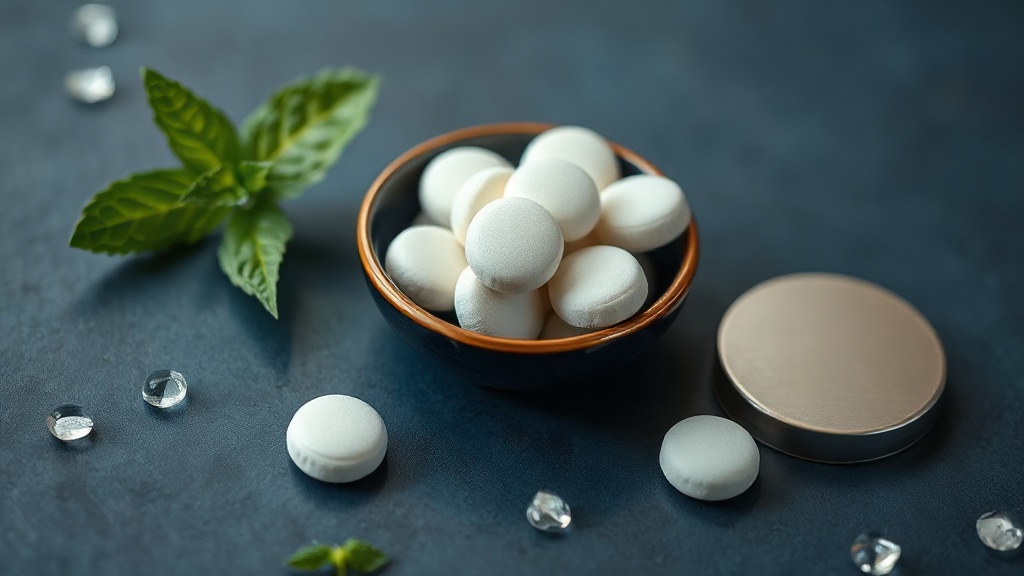
- Mints help a dry mouth mainly by getting you to suck and salivate, not by adding real moisture, so the relief is genuine but short-lived.
- Sugar-free is non-negotiable: a dry mouth already sits at higher risk of tooth decay, and sugary mints feed exactly the bacteria you want to keep down.
- Xylitol mints are the tooth-friendliest choice because xylitol cannot be fermented by mouth bacteria, and one mint is far below any amount that upsets the stomach.
- Strong menthol tastes refreshing and cools the mouth, but it can sting fragile, very dry tissue. Choose a gentle mint if your mouth feels raw.
- Mints are a comfort tool, not a fix for the cause. Persistent dry mouth, especially from a medication, is worth a conversation with your dentist or doctor.
The best dry mouth mints are sugar-free, xylitol-based and gently flavoured. They help mostly because sucking on them keeps saliva flowing and the mint flavour makes your mouth feel fresher and less sticky. The relief is real but temporary, so pair them with sips of water and, for lasting dryness, a professional's advice.
How a mint actually helps a dry mouth
Reach for a mint when your mouth feels dry and two things happen at once. First, the simple act of sucking and moving a mint around sets off the salivary reflex. In one classic measurement, sucking on a lozenge raised salivary flow roughly sixfold, and the researchers were clear that most of that came from the sucking itself, not the flavour. Chewing and sucking are the real engine; the mint is mostly a pleasant excuse to keep doing them. Second, the flavour adds a feeling of freshness. Menthol, the compound behind that minty note, switches on the mouth's cool-sensing receptors, which is why a mint feels refreshing even when very little extra saliva appears. Menthol can also nudge whole-mouth saliva up a little through those same sensory channels. The honest catch is that more saliva does not always mean more comfort: studies repeatedly find dryness can linger even when measured flow rises. So a mint that makes you salivate will not necessarily make the dry feeling vanish. What it reliably buys is pleasant, short-term relief, which is still worth having on a dry afternoon.
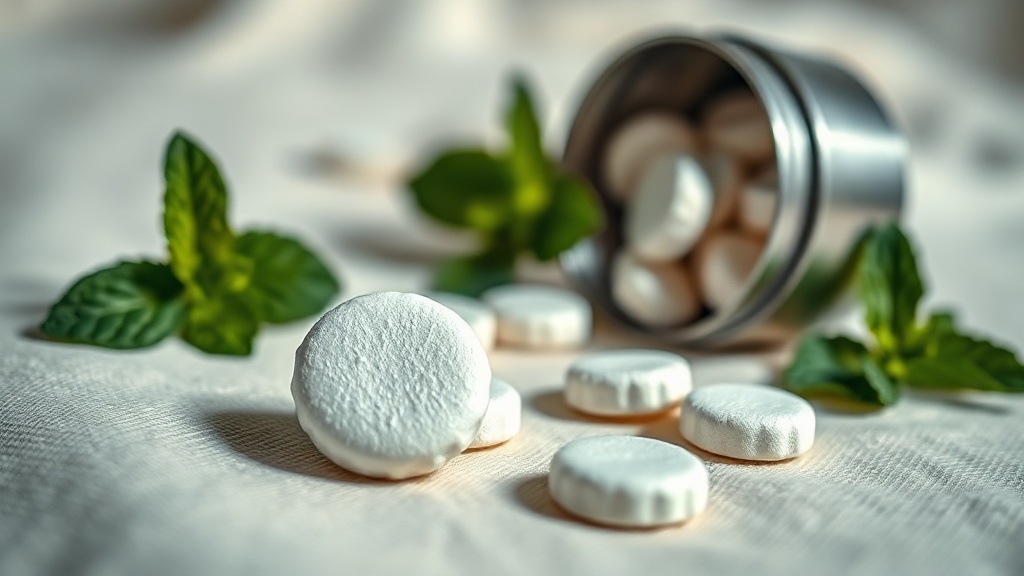
Sucking on a sugar-free mint works mainly by keeping saliva flowing; the fresh flavour is the comfort on top.
What the research actually shows
Every claim below maps to a named, peer-reviewed source in the Sources section. According to PubMed.
| Claim | Evidence | Source |
|---|---|---|
| Sucking on a lozenge raised salivary flow about sixfold, with most of the rise coming from the act of sucking rather than the flavour. | Classic salivary-flow measurement study. | Kapila et al., 1984 |
| Menthol can modestly raise whole-mouth saliva through the mouth's sensory (TRP) channels, although parotid gland flow was unchanged. | Proteomic and flow study of oral menthol stimulation. | Houghton et al., 2020 |
| Dry-mouth symptoms can persist even when saliva production increases, so more flow does not always mean more comfort. | Cochrane review of non-pharmacological interventions. | Furness et al., 2013 |
| Sugar-free chewing significantly raised resting salivary flow in older and medically compromised people (SMD 0.44). | Systematic review and meta-analysis. | Dodds et al., 2023 |
| One xylitol mint delivers roughly 0.5 g of xylitol, about 70 to 100 times below the amount linked to stomach upset in people. | Human tolerance data applied to a per-piece dose. | Storey et al., 2006 |
What to look for in a dry mouth mint
| Feature | Why it matters for a dry mouth | Worth it? |
|---|---|---|
| Sugar-free (xylitol or sorbitol) | A dry mouth is already prone to decay; sugar feeds the wrong bacteria | Essential |
| Xylitol as the main sweetener | Non-fermentable and tooth-friendly, with a very wide safety margin in people | Yes |
| Gentle, low-menthol flavour | Strong menthol can sting raw, very dry tissue | For sensitive mouths |
| Slow-dissolving format | Keeps the sucking-and-salivating going for longer | Nice to have |
| Sour or citric mints | Sourness drives saliva, but the acid can wear enamel over time | Use sparingly |
Where mints fall short (and the dog warning)
Mints are a comfort, and it helps to be clear about their ceiling. The largest review of topical dry-mouth products found that no rinse, spray, gel or lozenge reliably resolves the feeling of dryness, and a controlled trial of saliva substitutes found none reached even a 50 percent reduction in symptoms. If your glands still make some saliva, a mint can coax more out of them; if dryness is severe, a mint offers flavour and a brief moment of moisture but cannot stand in for saliva that is simply not there. Xylitol deserves a special note. It is the tooth-friendliest sweetener because mouth bacteria cannot ferment it, though its own record for protecting teeth is modest, so it is best seen as a pleasant, low-risk vehicle rather than a decay shield. For people, one mint sits far below the amount that upsets the stomach. For dogs, xylitol is genuinely dangerous, causing a sharp blood-sugar crash and liver injury, so keep every xylitol mint well out of a pet's reach. That single household precaution matters more than any flavour you choose.
Evidence you can act on.
Occasional emails — new research, new protocols, no noise.
How to get the most from a dry mouth mint
A mint works best as part of a small routine rather than a rescue you only reach for in a panic. None of this cares for a disease; it simply keeps your mouth more comfortable through the day.
- 1
Pick sugar-free, ideally xylitol
when you shopRead the label and choose a mint sweetened with xylitol or another sugar-free sweetener. This protects your teeth while you use mints often, which is exactly what a dry mouth tempts you to do.
- 2
Let it dissolve slowly
a few minutesResist chewing it straight down. The longer you gently suck, the longer saliva keeps flowing, and that flow is where the real relief comes from.
- 3
Sip water alongside
through the dayA mint stimulates saliva but adds almost no water of its own. Pairing it with regular sips keeps the tissues genuinely moist, especially after coffee, alcohol or a dry, air-conditioned room.
- 4
Go gentle if your mouth is raw
as neededIf strong menthol stings, switch to a mild mint or a plain xylitol pastille. Comfort, not intensity, is the goal for fragile, very dry tissue.
- 5
Keep them away from pets
alwaysStore xylitol mints where a dog can never reach them. What is a harmless breath mint for you can be a veterinary emergency for a dog.

For night-time dryness, a mint before bed plus water on the nightstand is a simple, low-cost comfort habit.
Mints are fine for everyday dryness, but some situations call for a professional. See your dentist or doctor if dry mouth is constant, started after a new medication, comes alongside dry eyes, makes swallowing or speaking hard, or is leaving you with new sensitivity or cavities. Never stop or change a prescribed medicine on your own to chase relief; your prescriber can often adjust things safely. Lasting dryness deserves a proper look rather than an endless supply of mints.
Frequently asked questions
Sources
- 1.
- 2.
- 3.
- 4.
- 5.
- 6.
- 7.
- 8.
- 9.
- 10.

Fix your breath at the source.
The complete science-backed protocol — engineered to eliminate volatile sulfur compounds at the biological source.
Start the Breath Protocol →Related reading
Educational purposes only. The content on this page is not medical advice and is not a substitute for consultation with a qualified dental or medical professional.
More from the library
 Best Of8 min
Best Mouthwash for Dry Mouth: What to Look For
The best dry-mouth rinse is the one that soothes without drying, and the label tells you more than the marketing.
Read →→ Guides8 min
What Causes Dry Mouth? The Common Triggers, Explained
Dry mouth almost always has an identifiable trigger, and knowing yours is the first step toward relief.
Read →→ Guides8 min
Dry Mouth at Night: Why It Happens and How to Sleep Easier
Nighttime dryness is common because your saliva naturally slows while you sleep, and a few targeted habits can make a real difference.
Read →→ Reviews8 min
XyliMelts Side Effects: An Honest, Evidence-Based Review
An honest look at what XyliMelts adhering discs feel like overnight, what side effects people report, and where the evidence for comfort really stands.
Read →→ Guides8 min
How to Fix Dry Mouth: An Evidence-Based Guide
Dry mouth is usually manageable once you know what is driving it and which supportive habits actually move the needle.
Read →→ Answers8 min
Does Dry Mouth Cause Bad Breath?
Low saliva and bad breath are closely linked, and understanding the connection points straight to what helps.
Read →→