The Best Toothpaste for Receding Gums, by Ingredient
For receding gums, choose a low-abrasion fluoride toothpaste with a proven desensitising active; it soothes and protects exposed roots but cannot regrow gum.
- For receding gums, the best toothpaste is low-abrasion, contains fluoride, and includes a proven desensitising active such as potassium nitrate, stannous fluoride or arginine.
- Recession exposes softer root surface that wears and decays more easily, so a low relative dentine abrasivity (RDA) and fluoride matter more than whitening power.
- A meta-analysis supports potassium, stannous fluoride and arginine toothpastes for sensitivity; strontium toothpaste did not show a significant effect.
- Toothpaste can calm sensitivity and protect exposed roots, but it does not regrow receded gums, and abrasive scrubbing can make recession worse.
- Pair the right paste with a soft brush and a gentle technique, and see a dentist about the recession itself, which toothpaste cannot reverse.
The best toothpaste for receding gums is a low-abrasion, fluoride toothpaste with a proven desensitising active such as potassium nitrate, stannous fluoride or arginine. These soothe sensitive exposed roots and protect them from decay. No toothpaste regrows gum tissue, and gentle brushing matters as much as the paste you choose.
Why receding gums need a different toothpaste
When gums recede, they expose part of the tooth root. Unlike the enamel crown, the root is covered by cementum and dentine, which are softer and threaded with tiny tubules that run to the nerve. That anatomy explains the two problems receding gums bring: sharp sensitivity to cold, heat, sweet or touch, and a higher risk of decay and wear on the exposed surface. A good toothpaste for receding gums addresses both. Desensitising actives work in two ways. Potassium salts, such as potassium nitrate, calm the nerve response inside the tubules, while stannous fluoride, arginine and calcium-based agents physically block or plug the tubules so the trigger never reaches the nerve. Fluoride, meanwhile, hardens the exposed root against decay, which matters because root surface is far more vulnerable than enamel. The other half of the story is what a paste should not do. Because dentine is soft, a highly abrasive toothpaste can wear the exposed root and irritate the gumline, and brushing wear is itself part of why gums recede. That is why abrasivity, measured as relative dentine abrasivity or RDA, is a quiet but important spec for anyone with recession.
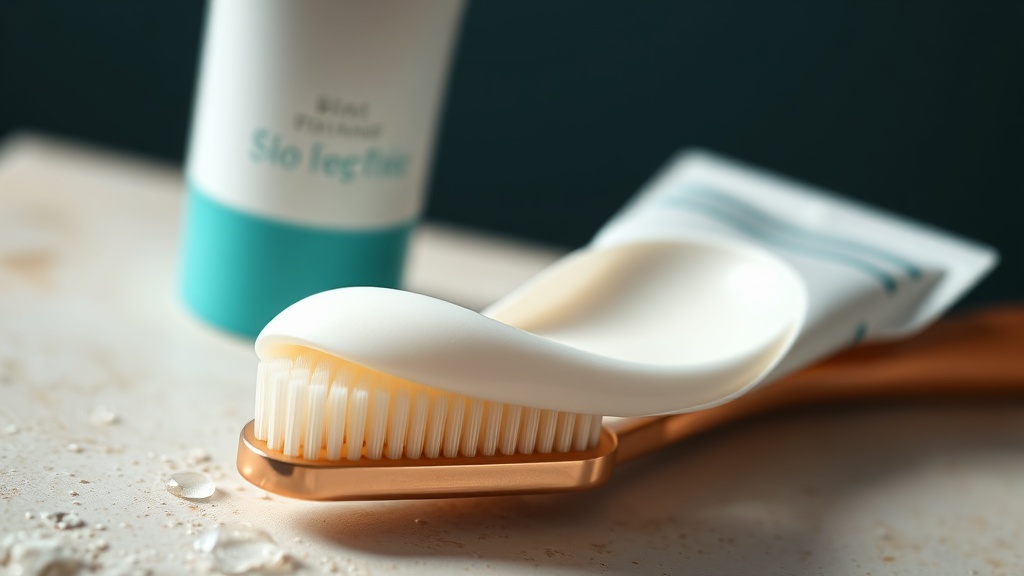
For exposed roots, the label priorities are low abrasion, fluoride and a proven desensitising active, not whitening strength.
What the research actually shows
Every claim below maps to a named, peer-reviewed source in the Sources section. According to PubMed.
| Claim | Evidence | Source |
|---|---|---|
| A meta-analysis of 31 randomised trials found potassium, stannous fluoride, potassium-plus-stannous, calcium sodium phosphosilicate and arginine toothpastes all reduced dentine hypersensitivity versus placebo. | Systematic review and meta-analysis of desensitising toothpastes. | Bae et al., 2015 |
| In the same meta-analysis, strontium-containing toothpaste showed no statistically significant desensitising effect, a useful negative that narrows the sensible choices. | Systematic review and meta-analysis of desensitising toothpastes. | Bae et al., 2015 |
| Dentine wear from brushing was positively correlated with a toothpaste's RDA value, so a lower-RDA paste means less wear on exposed root. | In-vitro measurement of enamel and dentine wear by toothpaste abrasivity. | Philpotts et al., 2005 |
| Toothpastes with very different RDA and REA values produced significantly different amounts of dentine wear, reinforcing that abrasivity is a meaningful spec for receding gums. | In-vitro brushing study of high- versus low-abrasivity toothpastes. | Dobler et al., 2023 |
| Both stannous fluoride and sodium fluoride dentifrices were well tolerated and did not detract from desensitising treatment, supporting fluoride pastes for sensitive exposed roots. | Randomised controlled pilot trial of fluoride dentifrices for hypersensitivity. | Anderson et al., 2020 |
Best toothpaste for receding gums, by active ingredient
| Active ingredient | Best for | How it helps exposed roots | Main tradeoff |
|---|---|---|---|
| Potassium nitrate | Nerve-calming sensitivity relief | Soothes the nerve response inside the dentine tubules | Builds up over days; needs consistent use |
| Stannous fluoride | Sensitivity plus plaque control | Blocks tubules and protects the root; fluoride benefit | Can cause mild surface staining in some |
| Arginine | Fast tubule-plugging relief | Physically seals exposed tubules against triggers | Often paired with calcium; check for fluoride |
| Calcium sodium phosphosilicate | Rebuilding a protective layer | Deposits a mineral layer over exposed dentine | Confirm it also contains fluoride |
| High-RDA whitening paste | Not recommended here | Aggressive abrasion can worsen root wear | Best avoided with exposed, softer root surface |
What toothpaste can and cannot do for recession
A desensitising fluoride toothpaste does two genuinely valuable things for receding gums: it calms the sensitivity of exposed roots and it helps protect those softer surfaces from decay. The relief is real but gradual, especially with potassium-based pastes, which need a couple of weeks of consistent use to build their effect. What toothpaste cannot do is regrow gum. Receded tissue does not return on its own; the only re-coverage of an exposed root documented in the research follows gum surgery. It is also worth naming the uncomfortable link between brushing and recession. Recession tends to appear more on the cheek-facing surfaces of the teeth, the pattern you would expect from mechanical wear rather than from bacteria alone, and a highly abrasive paste combined with a hard brush and a heavy hand can nudge it along. So the honest brief is to pick a low-abrasion, fluoride, desensitising paste, brush gently with a soft brush using a technique your dentist approves, and treat the paste as protection and comfort rather than a cure. The recession itself is a structural change that deserves a professional assessment, because catching the cause early is what actually slows it down.
Evidence you can act on.
Occasional emails — new research, new protocols, no noise.
How to choose and use toothpaste for receding gums
Choose for gentleness and protection, then brush in a way that does not add to the wear.
- 1
Confirm it contains fluoride
onceExposed roots decay more easily than enamel, so fluoride is non-negotiable. Some sensitivity and natural toothpastes leave it out; check the active-ingredient panel before you buy.
- 2
Pick a proven desensitising active
onceLook for potassium nitrate, stannous fluoride or arginine, which the evidence supports for sensitivity. Skip strontium pastes, which did not show a significant effect, and avoid aggressive whitening formulas.
- 3
Favour low abrasivity
onceWhere you can find it, choose a lower-RDA paste. Abrasivity correlates with wear on exposed dentine, so a gentler paste protects the very surface recession has already left vulnerable.
- 4
Use a soft brush and a light touch
dailyThe best paste is undone by a hard brush and heavy pressure. Use a soft brush, a gentle technique your dentist approves, and let the bristles, not force, do the work.
- 5
Give it two weeks, then reassess
ongoingDesensitising pastes build up over days, so use it consistently for a couple of weeks before judging it. If sensitivity or recession keeps worsening, see a dentist rather than brushing harder.
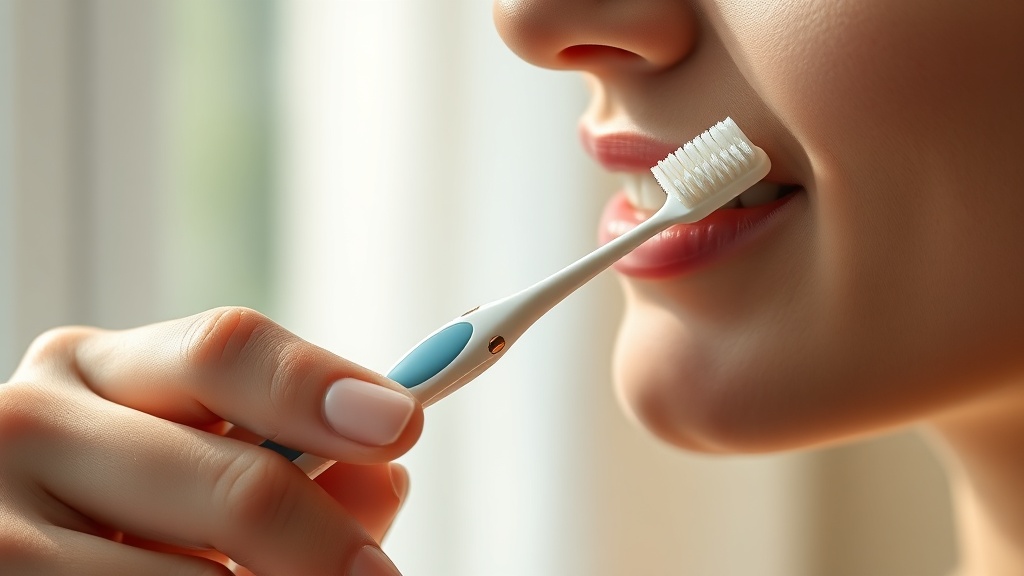
A gentle technique with a soft brush protects exposed roots; heavy scrubbing with an abrasive paste can worsen recession.
Toothpaste soothes and protects, but recession is a structural change worth a professional look. If your gums are visibly pulling back, teeth feel newly sensitive or loose, or sensitivity keeps climbing despite a good desensitising paste, book a dental visit. A dentist can identify the cause, from brushing technique to grinding to gum disease, check your brushing pressure, and discuss options such as gum grafting that no toothpaste can substitute for.
Frequently asked questions
Sources
- 1.
- 2.
- 3.
- 4.
- 5.
- 6.

Fix your breath at the source.
The complete science-backed protocol — engineered to eliminate volatile sulfur compounds at the biological source.
Start the Breath Protocol →Related reading
Educational purposes only. The content on this page is not medical advice and is not a substitute for consultation with a qualified dental or medical professional.
More from the library
 Guides8 min
How to Stop Receding Gums: What Actually Slows It
You cannot will your gum line back up, but you can often stop it from dropping further. Here is what the evidence supports.
Read →→ Answers8 min
Can Receding Gums Grow Back? The Honest Answer
It is the question everyone with recession asks. The straight answer, and what you can realistically do instead.
Read →→ Best Of8 min
The Best Mouthwash for Receding Gums, by Ingredient
For receding gums, a gentle alcohol-free rinse can soothe and protect exposed roots, but no mouthwash regrows lost gum.
Read →→ Best Of8 min
The Best Electric Toothbrush for Receding Gums
For receding gums, a pressure sensor and a gentle mode matter more than power; the right brush protects exposed roots but cannot regrow gum.
Read →→ Guides8 min
Gum Disease Symptoms: The Early Warnings You Can Feel
The symptoms of gum disease you can feel and notice yourself, why bleeding comes first, and when a symptom means see a dentist now.
Read →→ Guides8 min
Periodontal Disease: The Full Spectrum, Explained
A clear, honest overview of periodontal disease as a spectrum: the difference between gingivitis and periodontitis, what the colloquial phrase gum disease misses, and why early bleeding is the signal to act.
Read →→