The Best Electric Toothbrush for Receding Gums
For receding gums, a pressure sensor and a gentle mode matter more than power; the right brush protects exposed roots but cannot regrow gum.
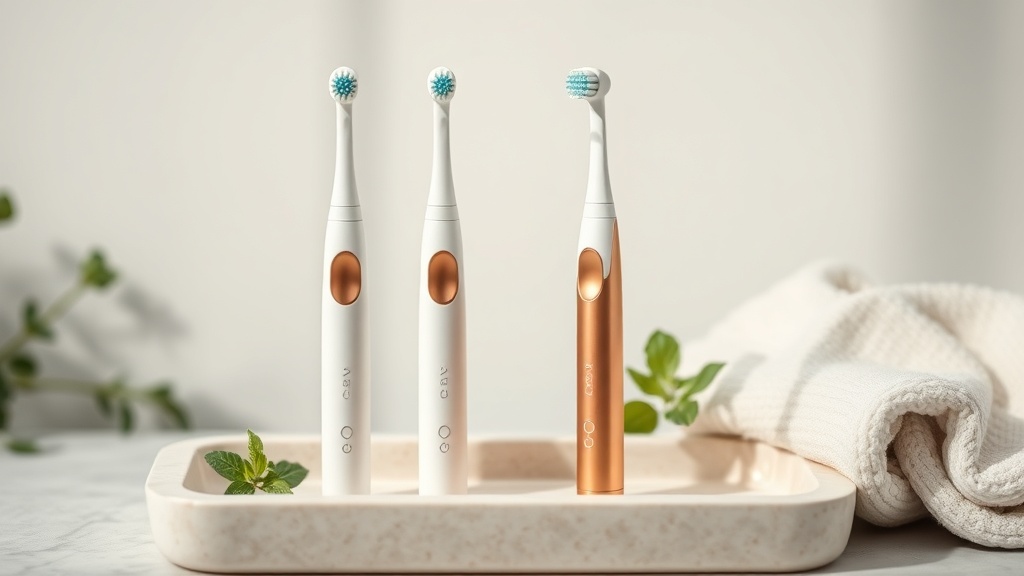
- For receding gums, the most important features are a pressure sensor and a soft or sensitive mode with soft bristles, not raw power.
- Powered brushes reduce plaque and gingivitis modestly versus manual, and long-term users retained more teeth, but the advantage shrinks in careful manual brushers.
- Pressure sensors matter because heavy brushing is linked to gum wear, and feedback has been shown to cut the force people apply.
- An electric brush can help you clean the gumline gently and consistently, but it cannot regrow receded gums or reverse recession.
- Technique beats hardware: soft bristles, a light grip and a gentle angle protect exposed roots, and persistent recession still needs a dentist.
The best electric toothbrush for receding gums has a built-in pressure sensor, a soft or sensitive mode, and soft bristles. Powered brushes reduce plaque and gingivitis modestly, and pressure feedback helps prevent the heavy brushing linked to gum wear. It supports gentle daily cleaning, but no brush regrows receded gums.
What matters in a brush when gums are receding
An electric toothbrush helps in a simple way: it moves the bristles for you, at a consistent speed and pattern, so more people clean the gumline effectively without needing perfect manual technique. For receding gums, though, the headline feature is not power, it is restraint. Recession exposes softer root surface, and brushing too hard or with stiff bristles is one of the mechanical factors that can wear the gum and tooth at the margin. That is why a pressure sensor is the single most valuable feature here: it warns you, or eases the motor, when you press too hard, directly targeting the habit that harms receding gums. A soft or sensitive mode lowers the intensity for tender areas, and a soft, round-ended brush head does the actual gentle work. The brushing action itself matters less than you might think; oscillating-rotating and sonic brushes both clean well, and the research treats the difference as minor next to how the brush is used. The goal for receding gums is consistent, thorough, genuinely gentle cleaning, and a good electric brush is really a tool for making gentle the default rather than the exception.
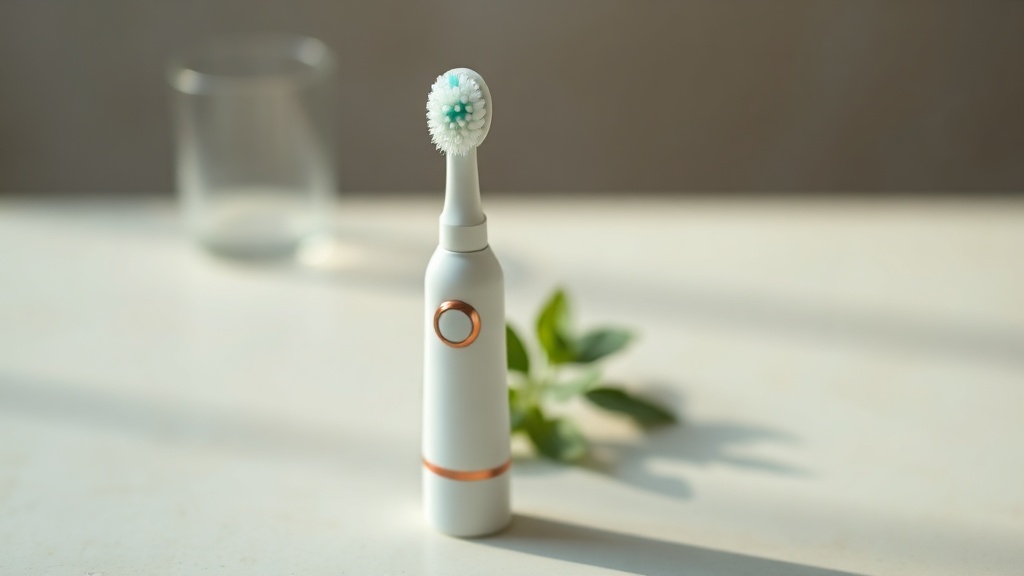
For receding gums the features that matter are a pressure sensor, a soft mode and a soft head, not the highest power setting.
What the research actually shows
Every claim below maps to a named, peer-reviewed source in the Sources section. According to PubMed.
| Claim | Evidence | Source |
|---|---|---|
| Powered toothbrushes reduced plaque and gingivitis compared with manual brushing over the long term, though the reviewers judged the clinical importance modest. | Cochrane systematic review of powered versus manual toothbrushes. | Yaacob et al., Cochrane 2014 |
| Over 11 years, powered-brush users retained about 19.5% more teeth and had less pocket-depth and attachment-loss progression than manual users. | Population cohort study (SHIP) with 11-year follow-up. | Pitchika et al., 2019 |
| The advantage of electric brushes disappeared in adequately instructed and motivated manual brushers, so technique can match the hardware. | Comparative study of instructed manual versus powered brushing. | Nagy et al., 2016 |
| Pressure-control feedback cut habitual brushing force markedly within two weeks, directly reducing the heavy pressure linked to gum and root wear. | Clinical study of brushing-force feedback. | Heasman et al., 2001 |
| Gentle interdental tools caused fewer gingival abrasions than stiffer alternatives, reinforcing that softness and light pressure protect vulnerable gum tissue. | Systematic review of rubber interdental cleaning devices. | Van der Weijden et al., 2021 |
Best electric toothbrush features for receding gums
| Feature | Best for | Why it helps receding gums | Main tradeoff |
|---|---|---|---|
| Pressure sensor | Everyone with recession | Warns or eases off when you press too hard | Only helps if you respond to it |
| Soft / sensitive mode | Tender, exposed roots | Lowers intensity for delicate areas | Cleans a touch slower; usually worth it |
| Soft, round-ended head | All receding gumlines | Gentle on the margin; fewer abrasions | Wears out; replace every 3 months |
| Oscillating-rotating action | Well-evidenced plaque removal | Strong plaque control at gentle pressure | Feels intense; use the soft mode |
| Sonic action | Comfort-focused cleaning | Effective and often feels gentler | Difference from oscillating is minor |
Why technique beats the brush you buy
It is easy to assume a more powerful brush must be better for troubled gums, but the evidence tells a more useful story. Powered brushes do reduce plaque and gum inflammation compared with manual brushing, and long-term users kept more of their teeth, which is a meaningful real-world outcome. Yet that advantage largely disappears when a manual brusher is properly instructed and motivated, which means the deciding factor is not the motor, it is how the brush is used. For receding gums this is doubly true, because the biggest risk is over-brushing. Heavy pressure and hard bristles are among the mechanical causes of gum wear, and recession tends to show up on the cheek-facing surfaces you reach when you scrub. A pressure sensor is valuable precisely because it retrains that habit; feedback has been shown to cut brushing force within a fortnight. So the best electric toothbrush for receding gums is the one that makes gentle, consistent cleaning easy, and then it is on you to use the soft mode, a soft head and a light hand. What no brush can do is regrow gum; receded tissue does not return on its own, and only surgery has been shown to re-cover an exposed root. A brush protects what you still have.
Evidence you can act on.
Occasional emails — new research, new protocols, no noise.
How to choose and use an electric toothbrush for receding gums
Buy for gentleness and feedback, then let the brush enforce a light, consistent technique.
- 1
Insist on a pressure sensor
onceFor receding gums this is the feature that matters most. Choose a brush that visibly warns you or eases the motor when you press too hard, because heavy brushing is one of the habits that worsens recession.
- 2
Use the soft or sensitive mode
dailyDefault to the gentlest cleaning mode and a soft, round-ended head. You lose very little cleaning power and gain real protection for exposed, sensitive roots at the gumline.
- 3
Guide, do not scrub
dailyLet the brush do the movement. Hold it at a gentle angle to the gumline and glide it tooth to tooth with a feather-light grip, rather than pushing or scrubbing back and forth.
- 4
Pair it with a desensitising fluoride paste
dailyA low-abrasion, desensitising fluoride toothpaste complements a gentle brush by calming exposed roots and protecting them from decay. Together they address comfort and protection.
- 5
Replace the head and reassess
ongoingSwap the head every three months or when the bristles splay, since a worn head is harsher on the gumline. If recession or sensitivity keeps advancing, see a dentist rather than brushing more.
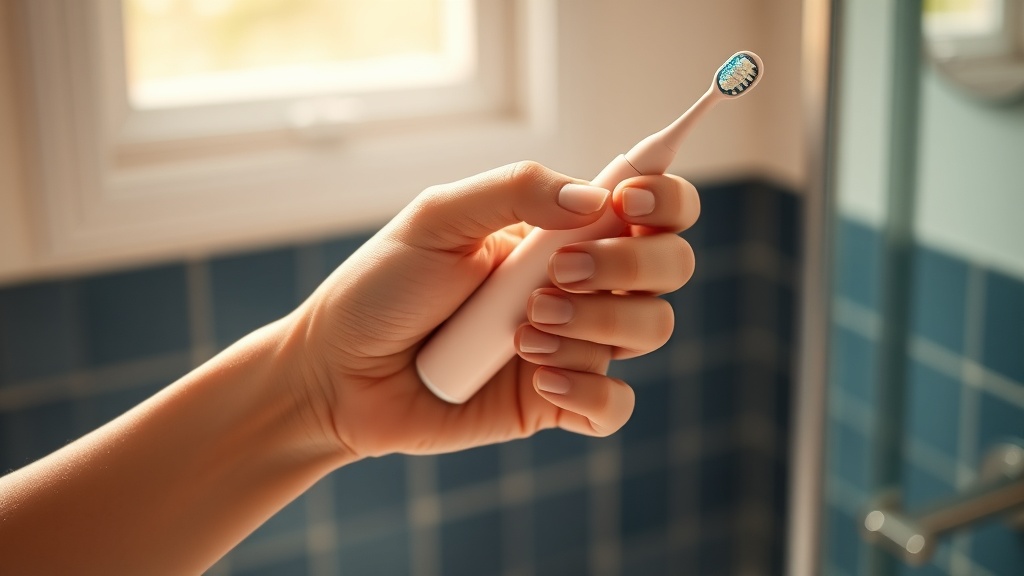
Let the brush do the movement at a gentle angle; a light grip and the pressure sensor are what protect receding gums.
An electric toothbrush is a prevention-and-maintenance tool, not a diagnosis. If your gums are visibly receding, teeth feel newly sensitive or loose, or you see bleeding that does not settle with gentle care, book a dental visit. A dentist can find the cause, check whether your brushing pressure or technique is contributing, and discuss treatments such as gum grafting that no toothbrush can replace. The right brush supports the plan; a dentist sets it.
Frequently asked questions
Sources
- 1.
- 2.
- 3.
- 4.
- 5.
- 6.

Fix your breath at the source.
The complete science-backed protocol — engineered to eliminate volatile sulfur compounds at the biological source.
Start the Breath Protocol →Related reading
Educational purposes only. The content on this page is not medical advice and is not a substitute for consultation with a qualified dental or medical professional.
More from the library
 Guides8 min
How to Stop Receding Gums: What Actually Slows It
You cannot will your gum line back up, but you can often stop it from dropping further. Here is what the evidence supports.
Read →→ Guides8 min
Gum Recession Treatment: Every Option, Compared
The right treatment depends on why your gums receded and how far. Here is the full ladder, with what each rung can honestly deliver.
Read →→ Best Of8 min
The Best Toothpaste for Receding Gums, by Ingredient
For receding gums, choose a low-abrasion fluoride toothpaste with a proven desensitising active; it soothes and protects exposed roots but cannot regrow gum.
Read →→ Best Of8 min
The Best Gum Stimulator, by Type and Gumline
A soft rubber-tip stimulator can clean and condition the gumline gently, but it supports gum health rather than reversing recession.
Read →→ Guides8 min
Gum Disease Symptoms: The Early Warnings You Can Feel
The symptoms of gum disease you can feel and notice yourself, why bleeding comes first, and when a symptom means see a dentist now.
Read →→ Answers8 min
Can Receding Gums Grow Back? The Honest Answer
It is the question everyone with recession asks. The straight answer, and what you can realistically do instead.
Read →→