
The Best Mouthwash for Gum Health, by Active Ingredient
For everyday gum health, an alcohol-free essential-oil or CPC rinse balances real antiplaque effect with daily comfort; chlorhexidine is the short-course heavy hitter.

- The best mouthwash for gum health depends on the active ingredient: chlorhexidine is the strongest antiseptic, essential oils and CPC are the best everyday all-rounders.
- Chlorhexidine produces the largest plaque reductions in the research, but staining and taste changes mean it is a short-course tool, not a daily forever rinse.
- Alcohol-free essential-oil rinses cut plaque and gingivitis meaningfully over months and reach between-teeth surfaces as well as floss, making them a strong daily choice.
- A rinse works on the gumline and between the teeth, not deep below the gumline, so it supports gum health rather than treating established deep gum disease.
- Mouthwash is an add-on to brushing and cleaning between the teeth; for reversible gingivitis it helps, but persistent or deep problems still need a dentist.
For everyday gum health, an alcohol-free essential-oil or cetylpyridinium chloride rinse offers the best balance of antiplaque effect and comfort. Chlorhexidine is the strongest antiseptic but stains with long use, so keep it to short courses. Any rinse is an add-on to brushing and cleaning between the teeth, not a replacement.
How mouthwash actually supports gum health
Gum inflammation is driven by dental plaque, the soft bacterial biofilm that builds up along the gumline and between the teeth. A mouthwash for gum health works by reducing that bacterial load or slowing its regrowth, which lowers the inflammation that shows up as red, puffy, bleeding gums. The active ingredient is the whole story. Chlorhexidine binds to mouth surfaces and keeps releasing over hours, which is why it is the most powerful antiseptic and the benchmark others are measured against. Essential oils, the thymol-and-eucalyptol family found in classic and alcohol-free rinses, disrupt bacterial cell walls and have a solid track record against plaque and gingivitis. Cetylpyridinium chloride is a gentler antibacterial that suits daily use, especially in alcohol-free form. What all of them share is a limit: a rinse washes over the surfaces it can reach, so it acts on the visible gumline and the between-teeth surfaces, not deep below the gum. That makes mouthwash a genuine helper for the reversible, plaque-driven inflammation called gingivitis, and a poor match for the deep pockets of advanced disease, which need professional cleaning.
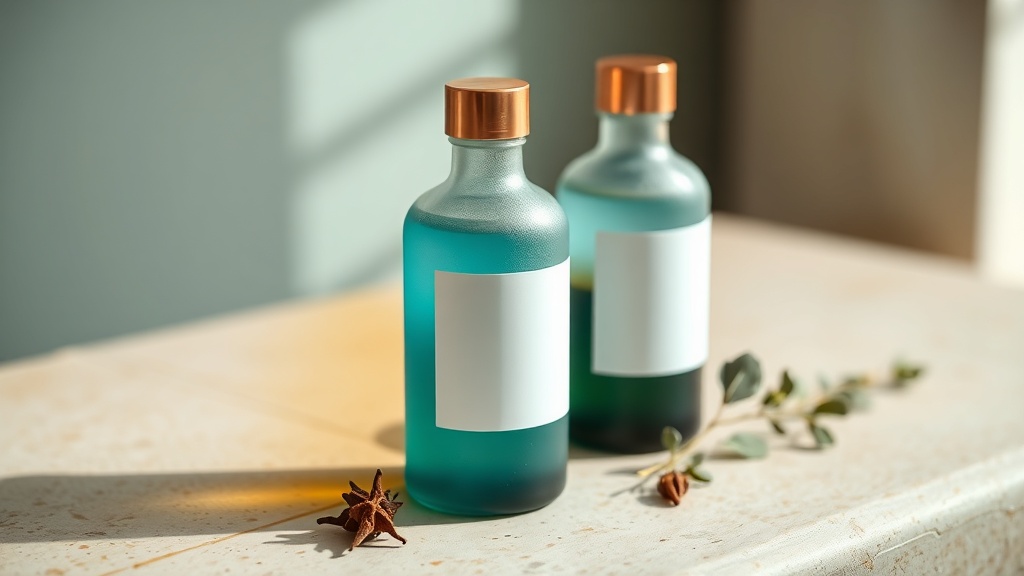
For gum health the active ingredient, not the brand, tells you what a rinse will actually do to plaque and inflammation.
What the research actually shows
Every claim below maps to a named, peer-reviewed source in the Sources section. According to PubMed.
| Claim | Evidence | Source |
|---|---|---|
| Chlorhexidine mouthrinse produced a large reduction in plaque (standardised mean difference 1.45), the biggest antiplaque effect of any rinse, but with significantly more tooth staining. | Cochrane systematic review of chlorhexidine mouthrinse. | James et al., Cochrane 2017 |
| An independent review found chlorhexidine reduced plaque by about 33% and gingivitis by about 26%, confirming it as the antiseptic benchmark for short-term use. | Systematic review of chlorhexidine efficacy. | Van Strydonck et al., 2012 |
| An alcohol-free essential-oil rinse reduced plaque by about 31.6% and gingivitis by about 24.0% over six months, a strong everyday gum-health effect. | Six-month randomised controlled trial. | Cortelli et al., 2013 |
| An essential-oil rinse reached between-teeth surfaces and lowered interproximal plaque more than both floss and a control, so a rinse can help where brushing skims. | Six-month randomised controlled trial versus floss. | Bauroth et al., 2003 |
| A passively applied mouthrinse failed to achieve any significant penetration of periodontal pockets, confirming a rinse acts on the gumline, not deep below it. | Study of rinse penetration into periodontal pockets. | Pitcher et al., 1980 |
Best mouthwash for gum health, by active ingredient
| Active ingredient | Best for | Evidence on gums | Main tradeoff |
|---|---|---|---|
| Chlorhexidine | Short antiseptic courses | Largest plaque and gingivitis reductions | Tooth staining and taste changes after ~4 weeks |
| Essential oils (alcohol-free) | Everyday gum health | Cuts plaque and gingivitis; reaches between teeth | Freshening is short-lived; not a deep clean |
| Cetylpyridinium chloride (CPC) | Gentle daily antibacterial use | Reduces plaque bacteria; alcohol-free options | Minor staining possible with heavy use |
| Green tea (catechins) | A gentler antiseptic alternative | Antiplaque effect near chlorhexidine, less staining | Fewer products; small-trial evidence |
| Alcohol-based (classic) | Short-term sharp freshness | Little added gum benefit over alcohol-free | Dries the mouth; no clear advantage |
Why the strongest rinse is not the everyday best
It is tempting to reach for the most powerful antibacterial rinse, on the logic that if gum inflammation comes from bacteria, more killing must be better. The evidence pushes back. Chlorhexidine genuinely produces the largest measured reductions in plaque and gingivitis, but it earns those numbers at a cost: after about four weeks it stains teeth and blunts taste, and it is not designed for daily forever use. So the best everyday gum-health rinse is usually not the strongest one. For most people, an alcohol-free essential-oil or CPC rinse offers a better balance: real reductions in plaque and gum inflammation over months, without the staining or the drying bite of alcohol. Save chlorhexidine for a short, purposeful course, ideally on a dentist's advice around a flare-up or a procedure. And keep the ceiling in mind: because no rinse reaches deep below the gumline, mouthwash supports the reversible, plaque-driven inflammation of gingivitis but cannot treat the deep pockets of established periodontitis. It is a finishing layer on top of good brushing and cleaning between the teeth, not a shortcut around them.
Evidence you can act on.
Occasional emails — new research, new protocols, no noise.
How to choose and use a gum-health rinse
Match the ingredient to whether you want daily support or a short antiseptic course, then use it well.
- 1
Decide daily support or short course
onceFor everyday gum health, choose an alcohol-free essential-oil or CPC rinse. If you have a specific reason for a strong antiseptic burst, chlorhexidine suits a short course, but plan to stop before staining sets in around four weeks.
- 2
Read for the active ingredient
onceIgnore vague promises on the front of the bottle and check the actives. Chlorhexidine, essential oils, CPC and alcohol each behave differently, and the ingredient tells you far more than the brand about what the rinse will do for your gums.
- 3
Clean mechanically first, then rinse
dailyBrush for two minutes and clean between the teeth, then rinse so the mouthwash finishes an already-clean mouth. A rinse cannot lift plaque out of the gumline the way a brush and interdental cleaning do.
- 4
Favour alcohol-free for daily use
dailyAlcohol adds a sting and dries the mouth without a clear gum benefit over alcohol-free formulas. For a rinse you use every day, alcohol-free is the more comfortable and sensible long-term companion.
- 5
Do not let it mask a returning problem
ongoingIf your gums keep bleeding or swelling despite good cleaning and a suitable rinse, treat that as a signal to see a dentist, not a reason to rinse harder. Persistent inflammation needs a professional eye.
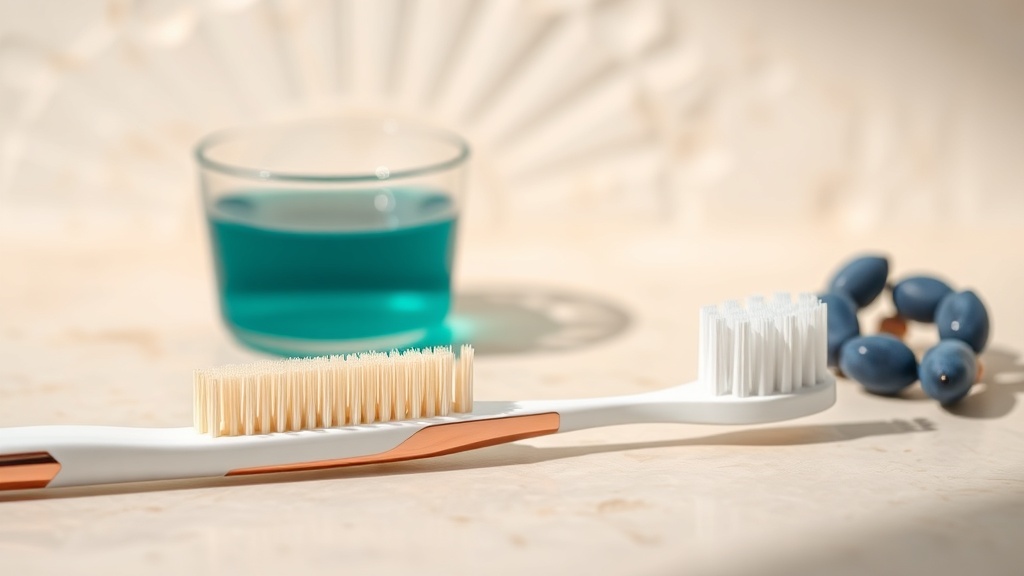
Rinse is a finisher: brush and clean between the teeth first, then let the mouthwash do its supporting job.
A rinse supports gum health, but it does not diagnose it. If your gums bleed regularly, stay swollen, pull back from the teeth, or you notice a bad taste or loose teeth, see a dentist. Those can be signs of gum disease that needs professional cleaning below the gumline, which no mouthwash can reach. A dentist can also advise whether a medicated rinse like chlorhexidine is right for you and for how long.
Frequently asked questions
Sources
- 1.
- 2.
- 3.
- 4.
- 5.
- 6.
- 7.

Fix your breath at the source.
The complete science-backed protocol — engineered to eliminate volatile sulfur compounds at the biological source.
Start the Breath Protocol →Related reading
Educational purposes only. The content on this page is not medical advice and is not a substitute for consultation with a qualified dental or medical professional.
More from the library
 Guides9 min
Gum Disease Treatment: The Professional Path and How Home Care Supports It
The evidence-based treatment path for gum disease, why professional care is non-negotiable, and how home habits support but never replace it.
Read →→ Answers8 min
How to Get Rid of Gingivitis: A Fast, Practical Routine
The fast, practical routine that clears the plaque driving gingivitis - and roughly how long it takes for the bleeding to stop.
Read →→ Guides9 min
Gum Inflammation: How It Works and How to Calm It
The mechanism behind red, swollen, bleeding gums — and the evidence-based ways to settle it.
Read →→ Best Of8 min
The Best Gum Stimulator, by Type and Gumline
A soft rubber-tip stimulator can clean and condition the gumline gently, but it supports gum health rather than reversing recession.
Read →→ Guides8 min
Gum Disease Symptoms: The Early Warnings You Can Feel
The symptoms of gum disease you can feel and notice yourself, why bleeding comes first, and when a symptom means see a dentist now.
Read →→ Answers8 min
Can Receding Gums Grow Back? The Honest Answer
It is the question everyone with recession asks. The straight answer, and what you can realistically do instead.
Read →→