The Best Gum Stimulator, by Type and Gumline
A soft rubber-tip stimulator can clean and condition the gumline gently, but it supports gum health rather than reversing recession.
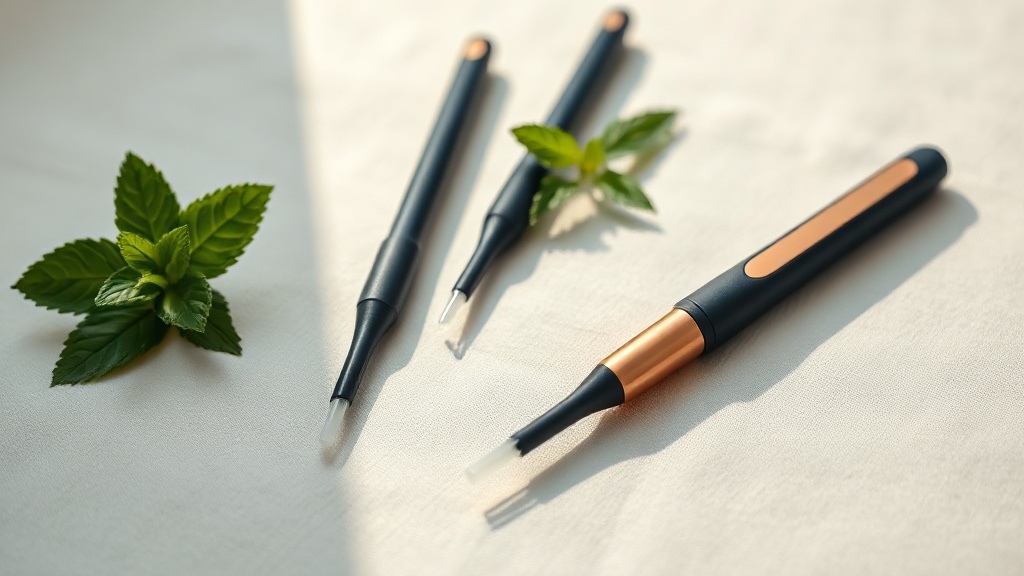
- A gum stimulator is the soft rubber or silicone tip that massages the gumline and cleans between teeth; the best one is the type you will actually use every day.
- The strongest evidence for rubber-tip interdental cleaners is that they match floss and interdental brushes for plaque and bleeding while causing fewer gum abrasions.
- Choose by gap size and comfort: a rubber tip suits tight, tender or receding gumlines, while interdental brushes clean wider spaces more thoroughly.
- Gum massage can feel good and may reduce bleeding, but no stimulator regrows lost gum tissue or reverses recession, which is a firm biological limit.
- If your gums bleed, recede or hurt, a stimulator is an adjunct to professional care, not a substitute for seeing a dentist.
The best gum stimulator is a soft rubber or silicone interdental tip used once daily along the gumline and between the teeth. Evidence shows rubber-tip cleaners match floss and interdental brushes for plaque and bleeding, with fewer gum abrasions. Pick by gap size and comfort; it supports gum health but cannot regrow receded gums.
What a gum stimulator actually does
A gum stimulator is a simple tool with a soft, cone-shaped rubber or silicone tip, usually on the end of a toothbrush handle or a dedicated grip. You run the tip gently along the gumline and slip it into the small triangular spaces between the teeth, using light pressure and a slow circular motion. It helps in two honest ways. First, it mechanically disrupts the soft dental plaque, or biofilm, that collects where the gum meets the tooth and in the spaces a brush skims over; that biofilm is the material that drives gum inflammation. Second, the gentle massage increases local blood flow and, over time, may leave the surface gum tissue feeling slightly firmer. What a stimulator does not do is scrub enamel or reach deep below the gumline into established pockets, which is exactly why it feels comfortable on tender or receding gums. Think of it as a low-impact way to clean and condition the gum margin, not a power tool. The best stimulator is the one whose tip fits your gaps and feels pleasant enough that you reach for it daily, because consistency is where the benefit actually lives.
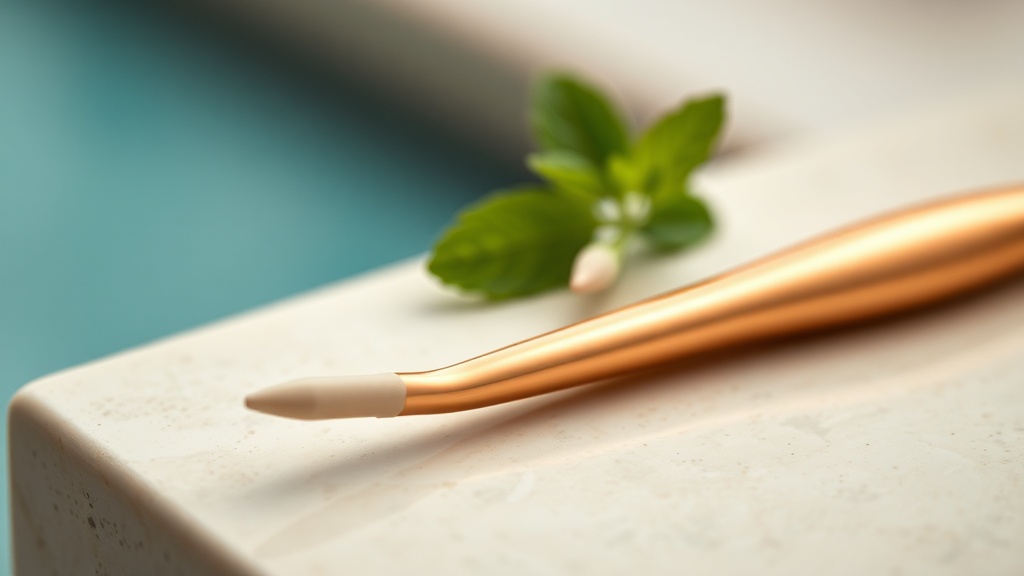
A soft rubber or silicone tip is designed to clean and massage the gum margin gently, not to scrub enamel or dig into deep pockets.
What the research actually shows
Every claim below maps to a named, peer-reviewed source in the Sources section. According to PubMed.
| Claim | Evidence | Source |
|---|---|---|
| A rubber-bristle or rubber-tip interdental cleaner removed plaque and reduced bleeding comparably to floss and interdental brushes, with fewer gingival abrasions, and was preferred by users. | Systematic review of rubber interdental cleaning devices. | Van der Weijden et al., 2021 |
| Interdental brushes reduced plaque more than floss (SMD -1.07), the single strongest interdental finding for cleaning between the teeth. | Systematic review of interdental brushes. | Slot et al., 2008 |
| Across interdental cleaning devices, tools that reach between the teeth reduced gingivitis, although the overall certainty of the evidence was low. | Cochrane systematic review of interdental cleaning devices. | Worthington et al., Cochrane 2019 |
| Triangular woodsticks reduced interdental bleeding but did not measurably lower visible plaque, a reminder that a bleeding improvement can outrun a plaque score. | Systematic review of woodsticks. | Hoenderdos et al., 2008 |
| Adding flossing to brushing reduced gingivitis at one month, but the evidence that flossing lowers plaque is weak and unreliable. | Cochrane systematic review of flossing. | Sambunjak et al., Cochrane 2011 |
Gum stimulators and their alternatives, compared
| Tool | Best for | How it helps gums | Main tradeoff |
|---|---|---|---|
| Rubber-tip / silicone stimulator | Tender or receding gumlines, tight spaces | Massages the margin and clears soft plaque; gentle | Cleans wide gaps less thoroughly than a brush |
| Interdental brush | Wider spaces between the teeth | Strongest between-teeth plaque removal | Can feel harsh if forced into tight gaps |
| Dental floss | Very tight contacts | Reduces gingivitis at the contact point | Technique-sensitive; weak plaque evidence |
| Water flosser | Braces, bridges, limited dexterity | Reduces bleeding; comfortable to use | Does not remove visible plaque on its own |
| Woodstick | On-the-go interdental cleaning | Reduces interdental bleeding | Little effect on visible plaque; can splinter |
Why massage cannot regrow receded gums
It is worth being clear about a claim you will see repeated online: that massaging your gums with a stimulator can make receded gums grow back or reverse gum disease. The biology does not support it. Gum recession is a loss of tissue that exposes the tooth root, and the research is consistent that this tissue does not spontaneously return. The only documented instance of gum creeping back over an exposed root, a phenomenon called creeping attachment, happens after periodontal plastic surgery, and even then it is incomplete and unpredictable. No paste, rinse or massage routine has been shown to regenerate lost gum. What a stimulator can genuinely help with sits earlier on the timeline. Gingivitis, the reversible, bleeding-and-swelling stage of gum trouble, responds to consistent plaque control: in the classic experimental-gingivitis studies, inflammation appears within a couple of weeks of stopping cleaning and returns to baseline once good cleaning resumes. So a stimulator earns its place by helping you keep the gumline clean and calm day to day, which can reduce bleeding and support healthier-looking gums. It is a maintenance and prevention tool, not a repair tool, and persistent recession still needs a dental assessment.
Evidence you can act on.
Occasional emails — new research, new protocols, no noise.
How to choose and use a gum stimulator
Match the tip to your gaps, use a feather-light touch, and treat it as a daily finishing step.
- 1
Pick the tip that fits your gumline
onceChoose a soft rubber or silicone tip for tender, sensitive or receding margins and tight spaces. If you have visibly wider gaps between teeth, an interdental brush of the right size will clean them more thoroughly than a stimulator alone.
- 2
Clean first, stimulate second
dailyBrush for two minutes and clean between your teeth first, so the stimulator is polishing an already-clean gumline rather than pushing plaque around. The order matters more than most people expect.
- 3
Use light, slow circles
1 minuteRest the tip where the gum meets the tooth and move it in small, slow circles with barely any pressure. If it blanches the gum white or hurts, you are pressing far too hard; ease off.
- 4
Work along the margin and into the spaces
dailyTrace the whole gumline, then gently seat the tip into each triangular space between teeth for a moment. A minute of unhurried coverage beats thirty seconds of scrubbing.
- 5
Rinse, dry and replace the tip
ongoingRinse the tip, let it air-dry, and swap it when it splays or hardens. A perished rubber tip loses its gentleness, which is the whole point of the tool.
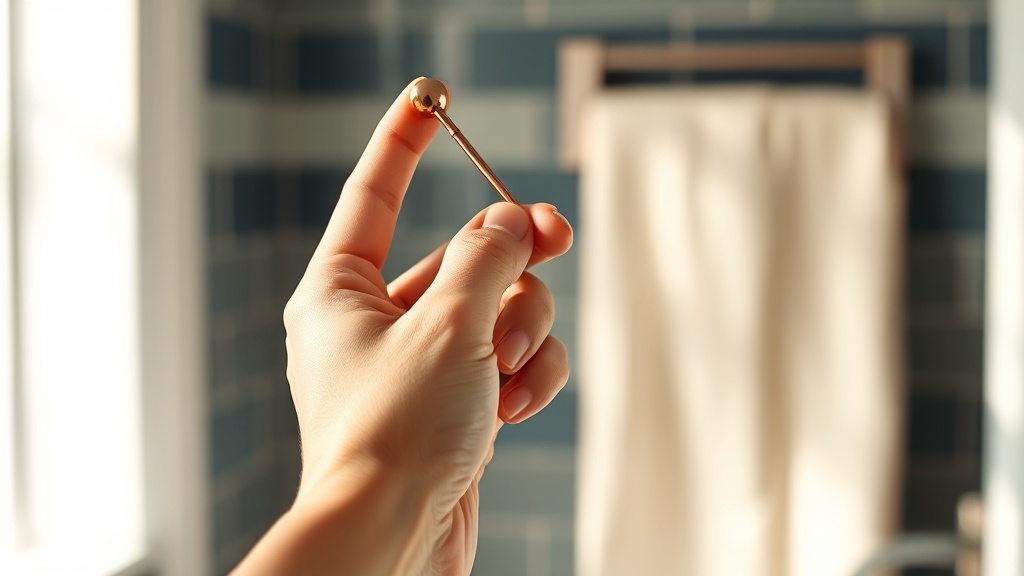
A feather-light circular motion along the margin is the technique; blanching or soreness means you are pressing too hard.
A gum stimulator is a comfort-and-maintenance tool, not a diagnosis. If your gums bleed regularly, look like they are pulling back from the teeth, feel loose, or are sore and swollen, book a dental visit. Recession and deeper gum disease need a professional assessment and, sometimes, treatment that no home device can replace. Use the stimulator to support your daily routine, and let a dentist tell you what is actually happening below the gumline.
Frequently asked questions
Sources
- 1.
- 2.
- 3.
- 4.
- 5.
- 6.
- 7.

Fix your breath at the source.
The complete science-backed protocol — engineered to eliminate volatile sulfur compounds at the biological source.
Start the Breath Protocol →Related reading
Educational purposes only. The content on this page is not medical advice and is not a substitute for consultation with a qualified dental or medical professional.
More from the library
 Guides8 min
Gum Recession Treatment: Every Option, Compared
The right treatment depends on why your gums receded and how far. Here is the full ladder, with what each rung can honestly deliver.
Read →→ Answers8 min
Can Receding Gums Grow Back? The Honest Answer
It is the question everyone with recession asks. The straight answer, and what you can realistically do instead.
Read →→ Guides8 min
Bleeding Gums: What They Mean and What to Do
A calm, honest guide to why gums bleed, why it is almost always reversible in the early stage, and the point at which bleeding is a signal to see a professional.
Read →→ Best Of8 min
The Best Electric Toothbrush for Receding Gums
For receding gums, a pressure sensor and a gentle mode matter more than power; the right brush protects exposed roots but cannot regrow gum.
Read →→ Guides8 min
Gum Disease Symptoms: The Early Warnings You Can Feel
The symptoms of gum disease you can feel and notice yourself, why bleeding comes first, and when a symptom means see a dentist now.
Read →→ Guides8 min
Periodontal Disease: The Full Spectrum, Explained
A clear, honest overview of periodontal disease as a spectrum: the difference between gingivitis and periodontitis, what the colloquial phrase gum disease misses, and why early bleeding is the signal to act.
Read →→