The Best Gum for Teeth
The best gum for your teeth is not about a magic ingredient; it is about stimulating saliva after meals and choosing sugar-free so you support enamel instead of feeding decay.
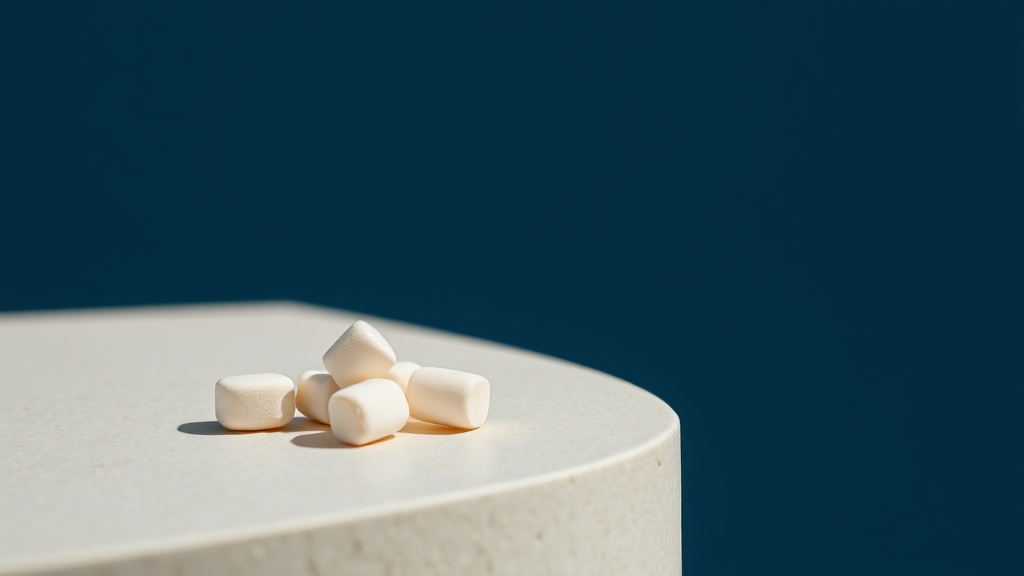
- The best gum for teeth is any sugar-free gum chewed after meals: the real benefit comes from the surge of saliva, not from a single miracle ingredient.
- Saliva is your mouth's built-in defence. It clears food, neutralises acid and carries the minerals that help enamel stay strong, and chewing raises its flow several times over.
- Xylitol-sweetened gum is a sensible first choice because the bacteria that drive decay cannot ferment it into acid, though the evidence for xylitol alone is modest and mixed.
- Sugar-sweetened gum does the opposite of what you want: it bathes teeth in fermentable sugar, so sugar-free is the single most important label to check.
- Gum supports a routine, it does not replace it. Brushing with fluoride, cleaning between teeth and cleaning the tongue remain the foundation.
The best gum for teeth is a sugar-free one, ideally sweetened with xylitol, chewed for about ten to twenty minutes after meals. The benefit comes mostly from stimulated saliva, which clears food, buffers acid and helps enamel take up minerals. Xylitol adds a modest bonus because decay bacteria cannot ferment it. Gum supports brushing and flossing; it does not replace them.
Why chewing gum helps teeth at all
Chewing gum does something surprisingly powerful: it makes you salivate. Within moments of chewing, salivary flow rises several times above its resting rate, and that flood of saliva is where nearly all of gum's benefit to your teeth comes from. Saliva physically washes away food debris and loose sugars that bacteria would otherwise ferment. It is rich in bicarbonate, which buffers and neutralises the acids that soften enamel after eating. And it is supersaturated with calcium and phosphate, the very minerals enamel is built from, so a well-hydrated mouth actively helps early softened spots re-harden, a process called remineralisation. After a meal, plaque acids can keep the mouth acidic for twenty minutes or more; stimulating saliva shortens that acid window and helps the mouth return to a tooth-friendly pH faster. That is the whole mechanism, and it explains why researchers consistently find the timing, chewing after eating, matters more than any clever ingredient.
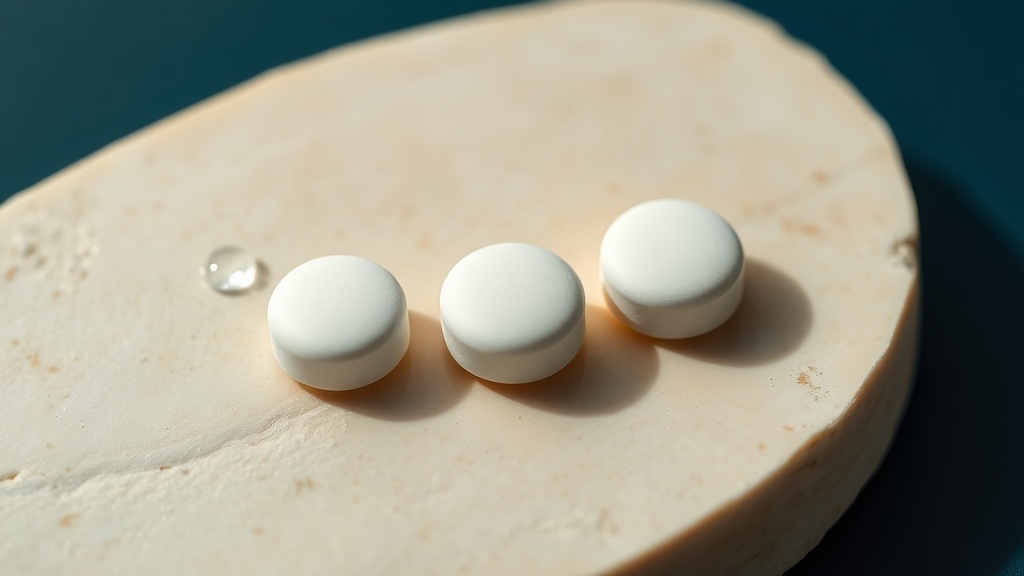
The benefit is in the saliva, not the pellet: chewing after meals is what clears food, buffers acid and helps enamel re-mineralise.
What the research actually shows
Every claim below maps to a named, peer-reviewed source in the Sources section. According to PubMed.
| Claim | Evidence | Source |
|---|---|---|
| Chewing sugar-free gum after meals significantly reduced the incidence of dental caries across seven clinical trials, with the benefit attributed to stimulated salivary flow rather than any single gum ingredient. | Review of clinical caries trials on chewing gum and saliva. | Stookey, J Am Dent Assoc 2008 |
| Stimulated saliva protects enamel by clearing sugar and acid, buffering plaque acids, and supplying the calcium and phosphate that support remineralisation of hard tissue. | Review of salivary flow and the health of oral hard and soft tissues. | Dawes, J Am Dent Assoc 2008 |
| In a Cochrane review, a fluoride toothpaste containing 10% xylitol reduced caries by about 13% versus fluoride-only over 2.5 to 3 years, but evidence for other xylitol products was low to very low quality. | Systematic review of xylitol-containing products (10 studies, 5,903 participants). | Riley et al., Cochrane 2015 |
| A systematic review of gum containing only xylitol found insufficient, low-certainty evidence to support it for caries prevention, underscoring that xylitol is a helpful extra rather than a guarantee. | Systematic review of xylitol-only chewing gum in children (5 studies). | Mota et al., J Indian Soc Pedod Prev Dent 2021 |
Best gum for teeth, by type
| Gum type | Best for | Effect on teeth | Main tradeoff |
|---|---|---|---|
| Xylitol sugar-free gum | Everyday tooth-friendly chewing | Stimulates saliva; not fermented into acid; modest anti-decay bonus | Higher doses can cause bloating; evidence for xylitol alone is modest |
| Sorbitol sugar-free gum | Budget everyday option | Stimulates saliva; fermented only very slowly, far less than sugar | Slightly fermentable, so slightly less inert than xylitol |
| Combined polyol (xylitol + sorbitol) | Balancing cost and tolerance | Saliva stimulation with a partial xylitol share | Xylitol dose may be too low to matter much |
| Sugar-sweetened gum | Flavour only, not for teeth | Feeds acid-producing bacteria | Actively works against enamel; avoid for oral health |
| Any gum, if you have jaw issues | Not recommended | Saliva benefit is outweighed by joint strain | Can aggravate TMJ pain; choose other saliva aids |
Why sugar-free matters more than the brand
If you take one thing from the marketing around dental gums, make it this: the sweetener decides whether a gum helps or harms. Regular sugared gum delivers a steady trickle of sucrose that the decay-causing bacteria in plaque ferment into acid, which is exactly the process that dissolves enamel. A sugar-free gum removes that fuel while still delivering the mechanical, saliva-boosting chew. Xylitol goes one small step further: it is a sugar alcohol that Streptococcus mutans and its relatives cannot ferment into acid, and they largely cannot use it to grow, so a xylitol gum is essentially inert to the bacteria while your saliva does the protective work. That is the honest case for xylitol, not that it is a proven cavity cure, because the highest-quality reviews rate the standalone evidence as modest and uncertain, but that it is a smart, low-risk default. Sorbitol, the other common sugar-free sweetener, is fermented only very slowly and remains far safer for teeth than sugar. So the real hierarchy is simple: sugar-free beats sugared by a wide margin, and among sugar-free options xylitol is a reasonable first pick.
Evidence you can act on.
Occasional emails — new research, new protocols, no noise.
How to choose and use a tooth-friendly gum
Choosing a tooth-friendly gum is easy once you know what to look for; using it well is what turns it into a habit that actually helps.
- 1
Check the label says sugar-free
onceTurn the pack over and confirm it is sugar-free, ideally with xylitol listed first among the sweeteners. This single check separates a gum that supports your teeth from one that quietly feeds decay.
- 2
Chew after meals and snacks
after mealsThe best moment to chew is straight after eating, when food acids are rising. Ten to twenty minutes of chewing stimulates the saliva that clears debris and buffers those acids while the mouth is most vulnerable.
- 3
Aim for a consistent habit, not a heroic dose
dailyA few pieces spread across the day, after meals, is plenty. Very high xylitol intakes can cause bloating or loose stools, and more gum does not linearly mean more protection, so consistency beats quantity.
- 4
Treat it as a companion to brushing, not a substitute
dailyGum cannot reach between teeth or lift plaque from the gumline the way a brush and floss do. Keep brushing twice daily with fluoride toothpaste and cleaning your tongue; let gum polish the gaps between.
- 5
Skip it if chewing hurts
as neededIf you have jaw-joint pain or clicking, prolonged chewing can aggravate it. In that case, sipping water and using other saliva-supporting habits is a gentler way to get the same clearance benefit.
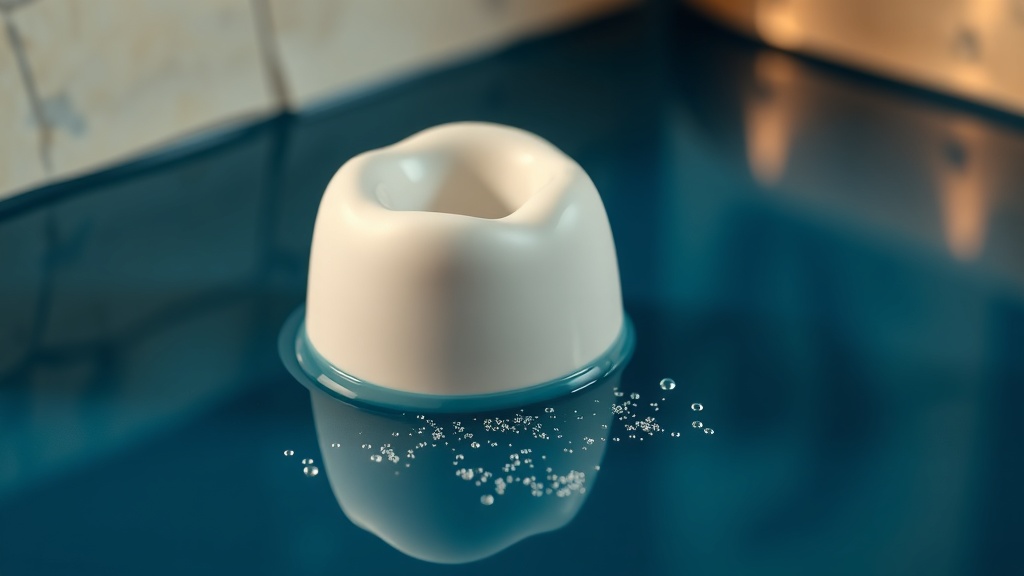
Saliva is mineral-rich: by raising its flow after meals, gum helps calcium and phosphate return to softened enamel.
Gum is a small helper, not a diagnosis. If you have persistent tooth sensitivity, visible white or brown spots on enamel, bleeding gums, or a chronically dry mouth, see a dentist. Dry mouth in particular has many causes, from medications to medical conditions, and a professional can recommend targeted saliva substitutes or higher-fluoride products that gum cannot match.
Frequently asked questions
Sources
- 1.
- 2.
- 3.
- 4.

Fix your breath at the source.
The complete science-backed protocol — engineered to eliminate volatile sulfur compounds at the biological source.
Start the Breath Protocol →Related reading
Educational purposes only. The content on this page is not medical advice and is not a substitute for consultation with a qualified dental or medical professional.
More from the library
 Best Of8 min
The Best Sugar-Free Gum: Xylitol vs Sorbitol and the ADA Seal
Sugar-free gum earns its dental reputation by stimulating saliva rather than feeding bacteria; here is how xylitol and sorbitol compare, what the ADA Seal means, and how to pick one.
Read →→ Best Of8 min
The Best Chewing Gum for Bad Breath (and Why It Is Only Temporary)
Chewing gum can freshen breath in two honest ways, by stimulating saliva and by masking odour with flavour, but the effect is temporary; here is how to use it well and when to look deeper.
Read →→ Best Of9 min
Best Toothpaste for Bad Breath: What Ingredients Actually Matter
The active ingredient, not the brand on the tube, decides whether a toothpaste actually helps freshen your breath.
Read →→ Guides8 min
How to Get Rid of Bad Breath Permanently: An Evidence-Based Plan
The honest version: "permanently" means ongoing control, not a one-time fix. Here is the daily routine the research actually supports, and when to get help.
Read →→ Guides7 min
Bad Breath Even After Brushing? The Biological Reason (and Fix)
You brushed, flossed and rinsed — and the smell is still there. The reason usually isn't hygiene; it's where the odour-causing bacteria actually live.
Read →→ Best Of8 min
The Best Mouthwash for Bad Breath, by Active Ingredient
There is no single winner, only the right rinse for the right job. Here is how the active ingredients compare on the evidence, and which suits everyday fresh breath.
Read →→