Best Fluoride Mouthwash: Daily vs Weekly Rinses Explained
The best fluoride mouthwash for most people is an alcohol-free 0.05% daily rinse, with a stronger 0.2% weekly rinse for higher-risk mouths. Use it away from brushing so it adds fluoride, not subtracts it.
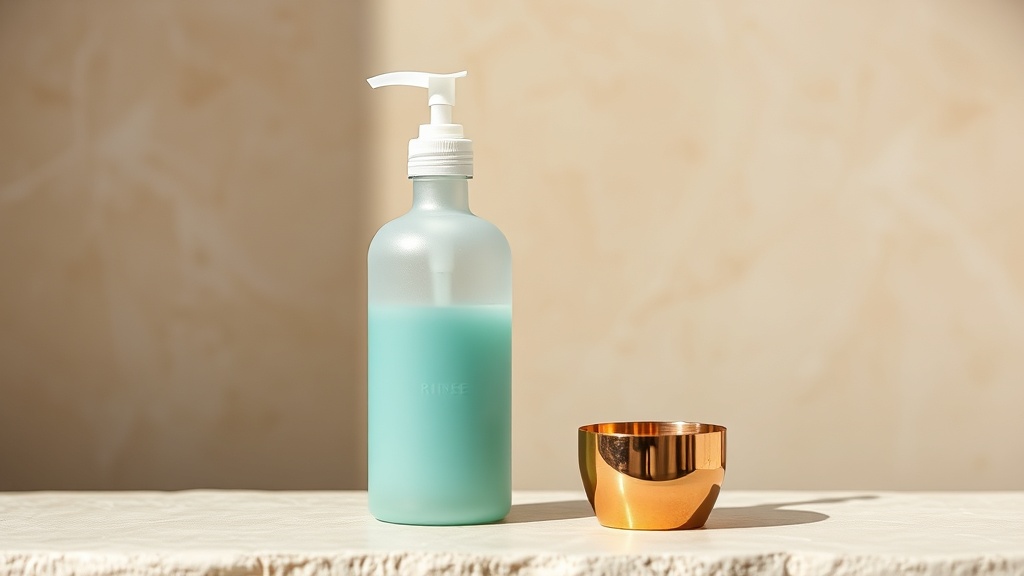
- There are two main strengths of fluoride mouthwash: a 0.05% sodium fluoride rinse for daily use and a stronger 0.2% rinse for weekly or dentist-supervised use.
- For most people the best everyday choice is an alcohol-free 0.05% daily rinse, which tops up the fluoride from toothpaste and helps keep enamel mineralised.
- A fluoride rinse is an add-on, not a replacement for fluoride toothpaste, and it works best used at a separate time from brushing so it does not simply wash the toothpaste off.
- Going alcohol-free is the sensible default, because alcohol dries the mouth and a drier mouth loses some of the saliva that naturally protects teeth.
- A rinse helps protect and remineralise the surface, but it cannot fill a cavity, so a formed hole or persistent pain is a reason to see a dentist.
The best fluoride mouthwash for most people is an alcohol-free 0.05% sodium fluoride rinse used once daily, with a stronger 0.2% rinse reserved for weekly or dentist-supervised use in higher-risk mouths. Use it at a different time from brushing so it adds fluoride rather than washing your toothpaste away.
How a fluoride rinse protects enamel
A fluoride mouthwash works by bathing the whole mouth in a low, even level of fluoride between brushings. Fluoride sits at the tooth surface and shifts the constant tug-of-war between mineral loss and mineral gain toward repair: when acids from plaque or food pull calcium and phosphate out of enamel, fluoride helps draw them back in and forms a new surface mineral that is more acid-resistant than the original enamel. Toothpaste already delivers the main dose, so the value of a rinse is topping up that protection at a different moment in the day, reaching around the whole arch, and giving vulnerable spots, exposed roots, the edges of fillings, teeth under braces, extra fluoride contact. The strength decides the rhythm. A 0.05% sodium fluoride rinse is dilute enough for daily use, while a 0.2% rinse carries about four times the fluoride and is meant for weekly or supervised use rather than every day. Neither is a deep clean; a rinse coats an already-cleaned mouth rather than removing plaque, which is why it is best understood as a protective top-up layered onto good brushing, not a substitute for it.
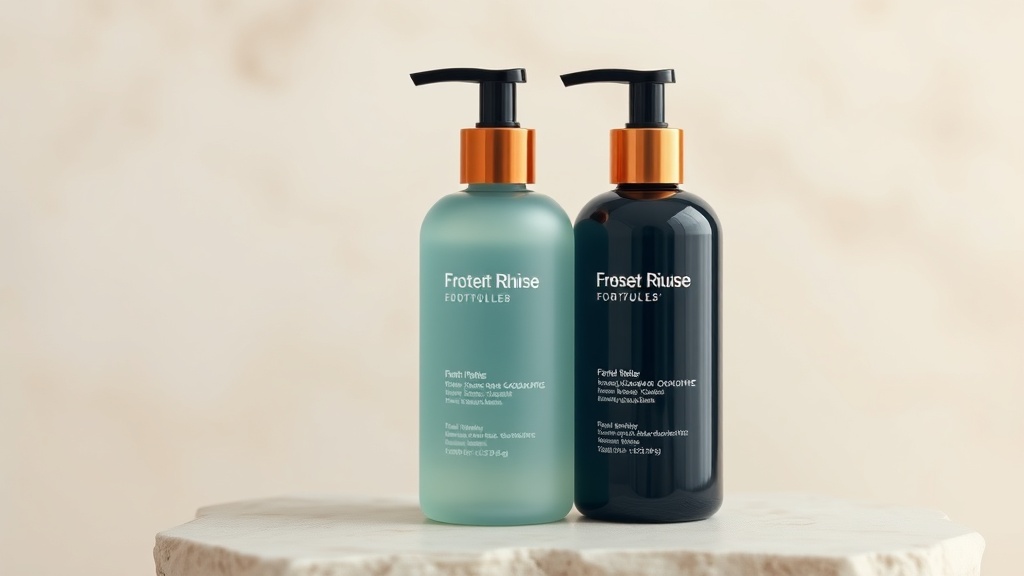
A dilute 0.05% rinse suits daily use; a stronger 0.2% rinse is for weekly or dentist-supervised use.
What the research actually shows
Every claim below maps to a named, peer-reviewed source in the Sources section. According to PubMed.
| Claim | Evidence | Source |
|---|---|---|
| Supervised regular use of a fluoride mouthrinse reduced tooth decay, with a pooled prevented fraction of about 27%, confirming rinses as a genuine enamel-protecting habit. | Cochrane systematic review and meta-analysis of fluoride mouthrinses. | Marinho et al., Cochrane 2016 |
| Fluoride works in a dose-response way, so a higher-strength rinse delivers more, but even a dilute daily rinse contributes, while below about 500 ppm fluoride the benefit fades. | Cochrane review of fluoride products of different concentrations. | Walsh et al., Cochrane 2019 |
| The mineral formed when enamel remineralises with fluoride is more acid-resistant than the original surface, which is how a rinse both repairs and protects. | Review of the mechanisms of action of fluoride. | Buzalaf et al., Monogr Oral Sci 2011 |
| Dry mouth affects roughly a quarter of people and raises decay risk, so an alcohol-free rinse that avoids drying the mouth is the safer everyday choice. | Review of dry mouth prevalence and consequences. | Stoopler et al., JAMA 2024 |
Fluoride mouthwash options, by strength and use
| Type | Strength | Best for | How to use |
|---|---|---|---|
| Daily fluoride rinse | 0.05% sodium fluoride | Everyday enamel protection for most people | Once daily, at a separate time from brushing |
| Weekly fluoride rinse | 0.2% sodium fluoride | Higher-risk mouths, often supervised | Weekly or as a dentist directs |
| Alcohol-free formulas | Either strength | Sensitive or dry mouths | The sensible default; avoids drying |
| Combined fluoride plus other actives | Varies | Adding freshening or anti-plaque benefit | Check it still delivers fluoride; avoid alcohol |
| Alcohol-based rinses | Varies | Little enamel-specific advantage | Generally best avoided for daily fluoride use |
Choosing between daily and weekly, and why timing matters
The most common mistake with fluoride mouthwash is treating it as interchangeable with toothpaste or using it at the wrong moment. Think in terms of layers. Fluoride toothpaste is your foundation twice a day; a 0.05% daily rinse is a light extra coat that suits almost everyone, especially anyone with exposed roots, many fillings, braces or a dry mouth; and a 0.2% weekly rinse is a heavier, less frequent dose usually reserved for higher-risk situations or dentist supervision. You rarely need both a daily and a weekly rinse at once, so pick the rhythm that matches your risk. Timing is the other half of the decision. If you rinse with a fluoride mouthwash immediately after brushing, you wash away the more concentrated fluoride your toothpaste just left behind, so you are trading down. Using the rinse at a different time, such as after lunch, means you add a fresh fluoride contact rather than cancelling one. Alcohol-free is the sensible default throughout, because alcohol dries the mouth and reduces the protective saliva you want to keep. And the honest limit stands: a rinse helps protect and remineralise the surface, but it cannot rebuild a tooth that has already cavitated, which needs a dentist.
Evidence you can act on.
Occasional emails — new research, new protocols, no noise.
How to choose and use a fluoride mouthwash
Pick the strength that matches your risk, keep it alcohol-free, and time it to add fluoride rather than subtract it.
- 1
Default to a daily 0.05% rinse
dailyFor most people an alcohol-free 0.05% sodium fluoride rinse once a day is the right everyday choice. It tops up toothpaste and reaches the whole mouth.
- 2
Reserve the 0.2% rinse for higher risk
weeklyA stronger 0.2% weekly rinse is for higher-risk mouths and is often used under a dentist guidance. You usually do not need both a daily and a weekly rinse.
- 3
Use it away from brushing
dailyDo not rinse straight after brushing with fluoride toothpaste, which washes the concentrated fluoride off. Use the mouthwash at a separate time, such as midday, to add a fresh fluoride contact.
- 4
Keep it alcohol-free and swish fully
dailyChoose an alcohol-free formula, swish for the time on the label, then spit and avoid eating or drinking for a short while so the fluoride stays in contact.
- 5
Support it with cause control
ongoingCut how often you have sugar and acid, brush well, and manage dry mouth if you have it. The rinse tips the balance toward repair; your habits decide how far it goes.
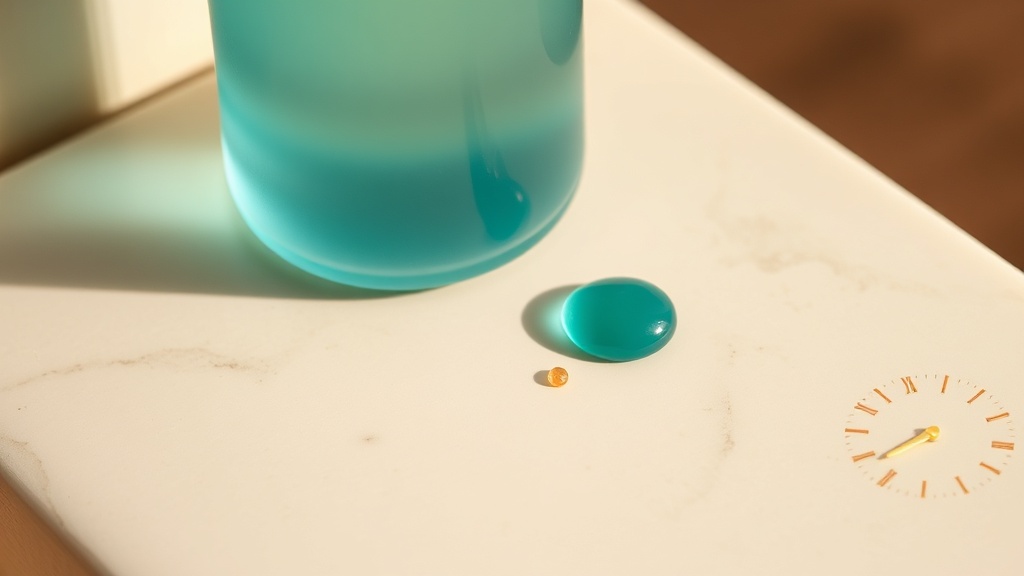
Using a fluoride rinse at a separate time from brushing adds a fresh fluoride contact instead of washing toothpaste away.
A fluoride rinse protects and helps remineralise the surface, but it cannot fill a cavity. See a dentist if you notice a hole, a persistent dark spot, ongoing sensitivity or pain, or a tooth that catches food, since those suggest decay that has passed the point a rinse can help. A dentist can also advise whether a stronger rinse or a prescription fluoride is appropriate for you.
Frequently asked questions
Sources
- 1.
- 2.
- 3.
- 4.
- 5.
- 6.

Fix your breath at the source.
The complete science-backed protocol — engineered to eliminate volatile sulfur compounds at the biological source.
Start the Breath Protocol →Related reading
Educational purposes only. The content on this page is not medical advice and is not a substitute for consultation with a qualified dental or medical professional.
More from the library
 Best Of8 min
Best Mouthwash for Sensitive Teeth: An Honest, Ingredient-First Guide
The best sensitive-teeth mouthwash is an alcohol-free fluoride or arginine rinse used as a daily top-up over a desensitising toothpaste, chosen for its active ingredient rather than its sting.
Read →→ Ingredients8 min
Prescription Fluoride Toothpaste: What 5,000 ppm Really Does
Prescription 1.1% sodium fluoride toothpaste delivers about 5,000 ppm to help remineralise early lesions and protect high-risk teeth. It is dentist-directed, and it re-hardens surfaces rather than filling holes.
Read →→ Ingredients8 min
How Fluoride Toothpaste Remineralizes Teeth
The chemistry behind fluoride's remineralizing power, and the honest line between the early lesions it can rebuild and the cavities it cannot.
Read →→ Ingredients8 min
Hydroxyapatite Mouthwash: What a Remineralizing Rinse Does
The rinse form of hydroxyapatite: how a swish delivers mineral where a brush misses, calms bacterial stickiness without a chlorhexidine trade-off, and where the evidence still thins out.
Read →→ Answers8 min
How to Get Rid of White Spots on Teeth: Your Options, Ranked
An honest, evidence-based ladder of options, from what you can do at home to what only a dentist can fix.
Read →→ Ingredients8 min
Hydroxyapatite Toothpaste Benefits: What the Evidence Actually Supports
A calm, science-first look at what hydroxyapatite toothpaste can genuinely do for your enamel, and where the evidence stops.
Read →→