
Is Dry Mouth Normal During Pregnancy?
A calm, honest look at why pregnancy leaves your mouth dry, and when it is worth a quick word with your OB or midwife.

- Yes, a dry or extra-thirsty mouth is a common and usually harmless part of pregnancy. Hormonal shifts, higher fluid demands and a stuffier nose all nudge the mouth toward feeling dry.
- Pregnancy hormones genuinely change the mouth: total oral bacteria rise, especially in the first trimester, and the gums become more prone to swelling and bleeding, so dryness rarely travels alone.
- A blocked nose is a big hidden driver. Pregnancy rhinitis affects a large share of pregnant people, and breathing through the mouth, especially at night, dries it out.
- Dehydration from morning sickness and the body's higher fluid needs leaves the mouth dry, which is why steady sips through the day beat occasional big drinks.
- Most pregnancy dry mouth is nothing to worry about. But dry mouth paired with a lot of thirst and frequent urination is worth mentioning to your OB or midwife, and you should never stop a prescribed medicine on your own.
Yes. Dry mouth is a common and usually harmless part of pregnancy. Pregnancy hormones, a higher demand for fluids, morning sickness and a congested nose that pushes you toward mouth breathing all leave the mouth drier than usual. It is normally easy to manage. Mention it to your OB or midwife if it comes with heavy thirst and frequent urination.
Why pregnancy leaves your mouth feeling dry
Pregnancy changes your whole fluid economy, and the mouth is one of the first places you notice it. The surge in oestrogen and progesterone shifts how the soft tissues of the mouth behave and makes the gums more reactive, which is why so many pregnant people notice tender, puffier gums alongside a drier mouth. At the same time your blood volume climbs and a growing baby draws steadily on your water, so the same fluid intake that felt like plenty before pregnancy can now leave you a little short, and a dry mouth is often the first hint. Early on, morning sickness adds to it: nausea and vomiting cost you fluid directly and can leave the mouth feeling parched and acidic afterwards. And there is a driver people rarely connect to their mouth at all, the nose. Pregnancy hormones swell the lining of the nose and cause congestion for a large share of women, and a blocked nose quietly turns you into a mouth breather, particularly overnight. Because water only evaporates from the mouth when you breathe through it, those nights of mouth breathing are often why the dryness feels worst when you wake.

Steady sips through the day, rather than occasional big drinks, are the simplest way to stay ahead of pregnancy dry mouth.
What the research actually shows
Every claim below maps to a named, peer-reviewed source in the Sources section. According to PubMed.
| Claim | Evidence | Source |
|---|---|---|
| Pregnancy raises the total count of oral bacteria, especially in the first trimester, and hormonal changes increase susceptibility to gum inflammation. | Review of the oral microbiome across pregnancy. | Saadaoui et al., 2021 |
| About 30% of pregnant women have nasal symptoms, because hormones favour swelling of the nasal lining and congestion. | Clinical review of rhinitis in pregnancy. | Gani et al., 2003 |
| Pregnancy rhinitis had a cumulative incidence near 39% and worsened as pregnancy progressed, a common route into drying mouth breathing. | Prospective study of 100 pregnant women. | Ulkumen et al., 2016 |
| Evaporative water loss from the mouth happens only during mouth breathing, which is why a blocked nose dries the mouth, especially overnight. | Salivary-film and evaporation analysis. | Dawes, 2004 |
| Medications are the single most frequently reported cause of dry mouth, relevant if you take any regularly during pregnancy. | Review of xerostomia aetiology and management. | Guggenheimer and Moore, 2003 |
Common reasons a mouth feels dry in pregnancy
| What is going on | Why it dries the mouth | Usually harmless? |
|---|---|---|
| Hormonal changes | Shift the mouth's tissues and fluid balance and raise gum sensitivity | Yes, expected |
| Higher fluid demand | More blood volume and the baby's needs draw on your water | Yes, sip more often |
| Morning sickness | Nausea and vomiting cause fluid loss and leave the mouth acidic | Usually, unless vomiting is severe or constant |
| Stuffy nose (pregnancy rhinitis) | A blocked nose pushes you toward drying mouth breathing | Yes, very common |
| Thirst plus frequent urination together | Can be part of the routine gestational-diabetes picture | Worth mentioning to your OB or midwife |
When dry mouth is a flag worth mentioning
The reassuring headline is that almost all pregnancy dry mouth is ordinary and harmless, the sum of hormones, extra fluid demand and a stuffier nose. It usually eases with steady hydration and settles again after birth. There is really only one pattern worth actively raising with your OB or midwife: a dry, thirsty mouth that comes together with drinking much more than usual and needing to urinate far more often. That particular trio can be part of the picture clinicians look for when they screen for gestational diabetes, which is checked routinely in the second trimester anyway, so mentioning it simply lets them join the dots. A couple of other situations deserve a word too: a dry mouth alongside persistently dry, gritty eyes, or morning sickness so severe that you cannot keep fluids down and feel genuinely dehydrated. None of these mean something is wrong on their own, and none call for panic. They are simply the moments where a quick, honest mention lets your care team reassure you or check, rather than you wondering alone. And if you take any regular medication, ask whether it could be drying you, but never stop it yourself.
Evidence you can act on.
Occasional emails — new research, new protocols, no noise.
Gentle ways to keep your mouth comfortable
None of this treats a disease, and all of it is pregnancy-friendly, but check any new product or medicine with your OB, midwife or pharmacist first.
- 1
Sip water steadily, all day
ongoingSmall, frequent sips keep the mouth's thin moisture film topped up far better than a few big drinks. Keep a bottle within reach at your desk and bedside, and take a sip whenever you notice dryness.
- 2
Keep your nose as clear as you can
as neededBecause a blocked nose drives mouth breathing, saline sprays or rinses and a bedroom humidifier can quietly cut nighttime dryness. Check any medicated decongestant with your clinician before using it in pregnancy.
- 3
Be kind to your teeth after morning sickness
secondsAfter vomiting, rinse with water or a little fluoride mouthwash and wait about half an hour before brushing, so you are not scrubbing acid into softened enamel. This protects teeth while the mouth is drier and more acidic.
- 4
Try sugar-free gum or lozenges between meals
a few minutesChewing is one of the strongest natural ways to get saliva flowing, and sugar-free (xylitol) gum or lozenges are a tooth-friendly way to do it. They are handy when nausea makes plain water unappealing.
- 5
Humidify the bedroom and sleep on your side
overnightA cool-mist humidifier eases the dry air that makes overnight mouth breathing worse, and side sleeping is both comfortable later in pregnancy and gentler on the airway than lying flat on your back.
- 6
Keep up your dental visits and speak up
ongoingRoutine dental care is safe and encouraged during pregnancy. Tell your dentist you are pregnant and mention the dryness and any gum tenderness, so they can help protect your teeth while saliva is lower.
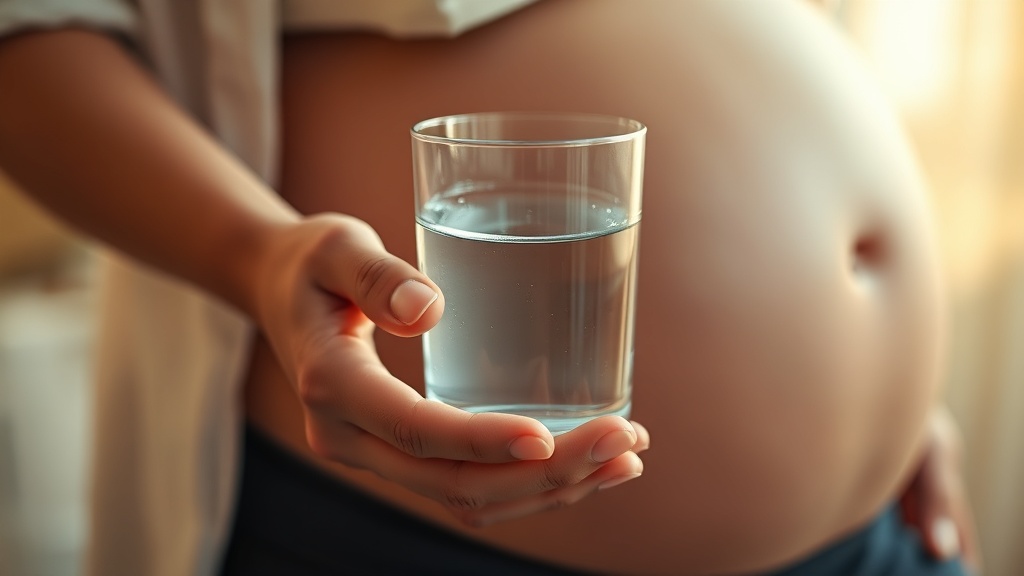
Most pregnancy dry mouth is ordinary and eases with simple steps; it usually settles again after birth.
Bring it up if a dry mouth comes with a lot of thirst and much more frequent urination, if you also have persistently dry eyes, or if morning sickness is so severe that you cannot keep fluids down and feel dehydrated. Ask your dentist to help protect your teeth while saliva is lower, and if you think a medication is drying you out, ask about a review rather than stopping it on your own. Routine dental care during pregnancy is safe and encouraged.
Frequently asked questions
Sources
- 1.
- 2.
- 3.
- 4.
- 5.
- 6.

Fix your breath at the source.
The complete science-backed protocol — engineered to eliminate volatile sulfur compounds at the biological source.
Start the Breath Protocol →Related reading
Educational purposes only. The content on this page is not medical advice and is not a substitute for consultation with a qualified dental or medical professional.
More from the library
 Guides8 min
Dry Mouth at Night: Why It Happens and How to Sleep Easier
Nighttime dryness is common because your saliva naturally slows while you sleep, and a few targeted habits can make a real difference.
Read →→ Guides9 min
How to Prevent Dry Mouth While You Sleep
The practical, evidence-led bedtime plan for a mouth that stays comfortable through the night.
Read →→ Answers8 min
How to Produce More Saliva Naturally: 12 Ways to Stimulate Salivary Flow
The honest answer: the physical act of chewing and tasting is your strongest natural saliva switch — here is how to use it, and when it will not be enough.
Read →→ Guides8 min
Home Remedies for Dry Mouth: Practical Habits That Help
The everyday habits that genuinely ease a dry mouth, what the evidence says about each, and the popular acidic home fixes that can quietly wear down your teeth.
Read →→ Guides8 min
How to Fix Dry Mouth: An Evidence-Based Guide
Dry mouth is usually manageable once you know what is driving it and which supportive habits actually move the needle.
Read →→ Guides8 min
What Causes Dry Mouth? The Common Triggers, Explained
Dry mouth almost always has an identifiable trigger, and knowing yours is the first step toward relief.
Read →→