Falim Gum for Jawline: What It Is and What It Really Does
The firm Turkish gum sold as a jaw workout - what it actually does to the muscle, why that is not a sharper jaw, and how to chew it without overloading your jaw.
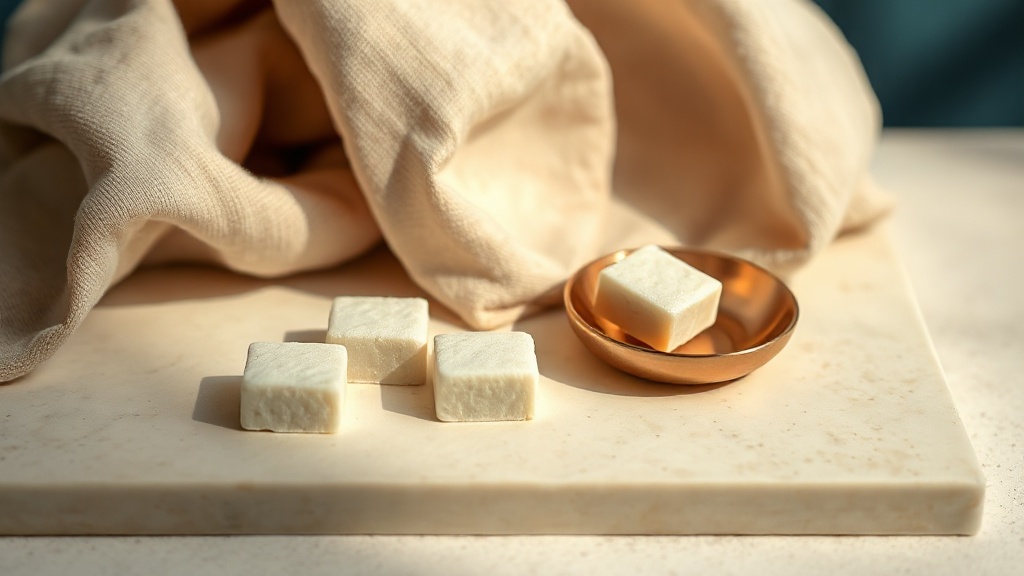
- Falim is a firm, sugar-free Turkish gum that loses its flavour within a minute or two, so people chew it for a long time as a jaw workout rather than as a treat.
- Chewing a very hard gum does train the jaw muscles and can raise bite force, but the best controlled evidence shows it does not change the shape of your jawbone.
- The muscle it builds is the masseter, and a bigger masseter makes the lower face look wider and more square - the opposite of the slim, sharp jawline most people are chasing.
- Cosmetic clinics do the reverse of hard-gum chewing: they inject Botox to shrink an overgrown masseter for a slimmer jaw.
- Heavy, prolonged chewing is a known way to fatigue the jaw muscles, so if you have any jaw clicking, aching, or tension, Falim is a habit to approach with real caution.
Falim gum will not sculpt your jawbone. It is a firm, flavour-free Turkish gum chewed as a jaw workout, and while it can strengthen the masseter muscle, a bigger masseter widens and squares the lower face rather than sharpening it. A visible jawline comes mostly from body fat, genetics and posture - not from chewing.
What Falim gum actually is
Falim is a Turkish brand of sugar-free gum that has become a fixture of the jawline corner of social media. What sets it apart is texture: it is dense and rubbery, and its flavour fades within a minute or two, so there is nothing to enjoy and no reason to stop - which is exactly why people chew a single piece, or several at once, for hours. The idea sold online is that this turns chewing into resistance training for the face, and that enough repetitions will carve out a chiselled jaw. The first half of that is fair. Your jaw is moved by real muscles, chiefly the masseter, the thick slab you can feel bulge at the back angle of the jaw when you clench. Like any muscle, it responds to load: chew against stiff resistance often enough and it gets stronger, and your maximum bite force goes up. In a classic training study, four weeks of daily hard-gum chewing measurably increased bite force. So Falim is not doing nothing. The problem is the leap from a stronger jaw muscle to a sharper jaw shape - and that leap is where the evidence stops following.
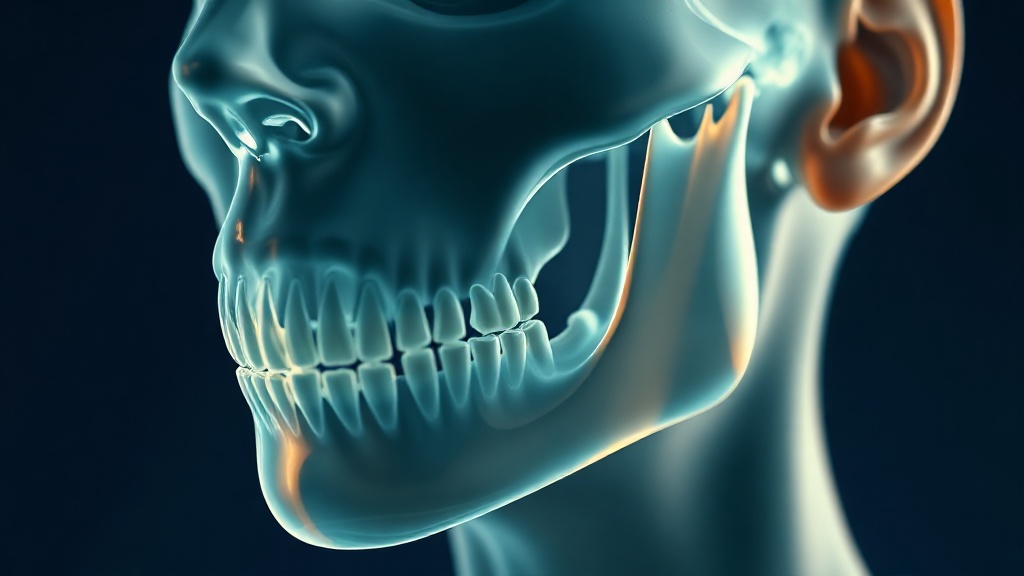
Chewing loads the masseter, the muscle at the jaw angle - and a thicker masseter broadens the lower face rather than slimming it.
What the research actually shows about chewing and the jaw
Every claim below maps to a named, peer-reviewed source in the Sources section. According to PubMed.
| Claim | Evidence | Source |
|---|---|---|
| Four weeks of daily hard-gum chewing measurably raised maximum bite force - proof that the jaw muscle responds to training. | Masticatory training study. | Kiliaridis et al., 1995 |
| In a six-month gum-chewing trial, bite force rose but masseter thickness and the shape of the jawbone did NOT change. | Randomised controlled trial (n=58). | Jung et al., 2024 |
| A thicker masseter accompanies a wider, shorter, more square lower face - not a slimmer one. | Facial-morphology study. | Raadsheer et al., 1996 |
| Cosmetic medicine SHRINKS the masseter with botulinum toxin for a slimmer jaw - a mean 5.24 mm reduction in lower-face width. | Phase 3 randomised trial. | Sun et al., 2026 |
| Prolonged gum chewing drives masseter activity up several-fold and fatigues the muscle in most people - an overload signal, not a shaping one. | Experimental chewing study. | Christensen, 1996 |
What Falim chewing changes - and what it does not
| The claim | What actually happens | Verdict |
|---|---|---|
| A sharper, sculpted jawbone | Adult bone shape is fixed; chewing does not remodel it | Myth |
| A bigger, stronger jaw muscle | Bite force and masseter tone can genuinely increase | Real - but it widens, not slims |
| A slimmer, V-shaped lower face | A bulkier masseter squares the jaw; clinics shrink it to slim it | Backwards |
| Less face fat from chewing | Working one muscle does not spot-reduce fat anywhere | Myth |
| A satisfying, snack-curbing habit | A flavour-free gum can feel satisfying and curb snacking | Plausible minor perk |
Why a bigger jaw muscle is not a sharper jaw
Here is the part the trend leaves out. When researchers put gum chewing to a proper test - a six-month randomised trial - maximum bite force rose, but the masseter did not measurably thicken and the shape of the mandible did not change at all. The strength gain came from the bite mechanics, not from bulking the muscle or reshaping bone. And even where chewing does build the masseter, that works against the look people want. Study after study of facial shape finds the same thing: a thicker masseter goes with a wider, shorter, more square lower face, not a slimmer one. This is not a fringe result - it is why the cosmetic industry does the exact opposite of hard-gum chewing. To slim a heavy jaw, clinics inject botulinum toxin to shrink the masseter, and a recent Phase 3 trial measured an average five-millimetre reduction in lower-face width from doing exactly that. In other words, the professional route to a slimmer jaw is a smaller masseter; hard chewing pushes the muscle the other way. Add the fact that adult jawbone does not remodel from muscle use - craniofacial growth is essentially finished after the second decade of life - and the promise that Falim sculpts bone has nowhere left to stand.
Evidence you can act on.
Occasional emails — new research, new protocols, no noise.
If you still want to chew Falim, do it sensibly
Falim is not dangerous in itself, and a flavour-free gum can be a harmless habit or a way to curb snacking. But treat it as chewing, not as face surgery - and stop well short of the marathon sessions the trend encourages. None of this treats a medical condition; it is simply about not overloading a set of muscles.
- 1
Keep sessions short and occasional
a few minutesThe jaw muscles fatigue quickly under sustained load, and prolonged gum chewing has been shown to tire the masseter in most people. A few minutes is plenty; hour-long daily sessions are where aching and tension start.
- 2
Chew evenly on both sides
throughoutAlways working one side loads that joint and muscle unevenly, and a one-sided chewing habit is one of the factors linked with jaw problems. If you chew, alternate sides deliberately.
- 3
Stop at the first ache or click
immediatelyJaw soreness, tightness, headaches at the temples, or new clicking are signals to stop, not to push through. A muscle you have overworked needs rest, not more repetitions.
- 4
Do not stack pieces to train harder
-Chewing several dense pieces at once sharply raises the load on the joint for no proven shape benefit. More resistance does not buy you a jawbone; it just buys you more fatigue.
- 5
Judge it on the honest goal
ongoingIf your aim is a satisfying sugar-free gum or a snacking substitute, Falim delivers. If your aim is a reshaped jaw, the evidence says redirect that effort toward body composition and posture instead.

If a heavy chewing habit leaves the jaw aching or clicking, that is a cue to ease off - not to chew harder.
If chewing leaves your jaw aching, tight, or clicking, or if you notice you are clenching or grinding, ease off and speak to a dentist. Persistent jaw pain, a jaw that locks or catches, pain when opening wide, or tension headaches around the temples are all worth having assessed in person - jaw problems are common, affecting roughly a third of adults at some point, and they respond best to gentle, conservative care rather than more chewing. A dentist can check your bite, rule out other causes, and guide you if a clenching habit is developing.
Frequently asked questions
Sources
- 1.
- 2.
- 3.
- 4.
- 5.
- 6.
- 7.
- 8.

Fix your breath at the source.
The complete science-backed protocol — engineered to eliminate volatile sulfur compounds at the biological source.
Start the Breath Protocol →Related reading
Educational purposes only. The content on this page is not medical advice and is not a substitute for consultation with a qualified dental or medical professional.
More from the library
 Guides8 min
Does Chewing Gum Help Your Jawline? An Honest, Evidence-Based Answer
Gum-chewing gets sold as a jawline hack. The evidence says it trains bite force, not bone - and pushed too far it can bulk and ache the very muscle you are trying to define.
Read →→ Guides8 min
How to Get a Sharper Jawline: What Works and What Does Not
The jawline advice online is mostly hype. Here is what genuinely changes how defined your jaw looks, what does nothing, and where the real (sometimes medical) levers are.
Read →→ Reviews9 min
Does Jawzrsize Actually Work? Evidence, Results, and Alternatives
The evidence-based verdict on the viral jaw exerciser — and why bulking your jaw muscle is the wrong direction.
Read →→ Guides8 min
Masseter Massage: How to Release a Tight Jaw Muscle
How to gently massage the masseter for comfort and tension relief — pain-free pressure only, and when a tight jaw needs a pro.
Read →→ Guides8 min
Jaw Relaxation Exercises: A Step-by-Step Comfort Guide
A step-by-step down-regulation routine for a tight, clenched jaw, built on gentle relaxation rather than force.
Read →→ Guides9 min
Does Mewing Actually Work? An Honest, Evidence-Based Breakdown
The honest, evidence-based answer to whether tongue posture can reshape an adult jaw — what the research really shows, and why forcing it can backfire.
Read →→