
Natural Remedies for Dry Mouth: What Genuinely Helps (and What to Skip)
The home and natural remedies for dry mouth that the evidence actually supports, and the popular ones worth skipping.
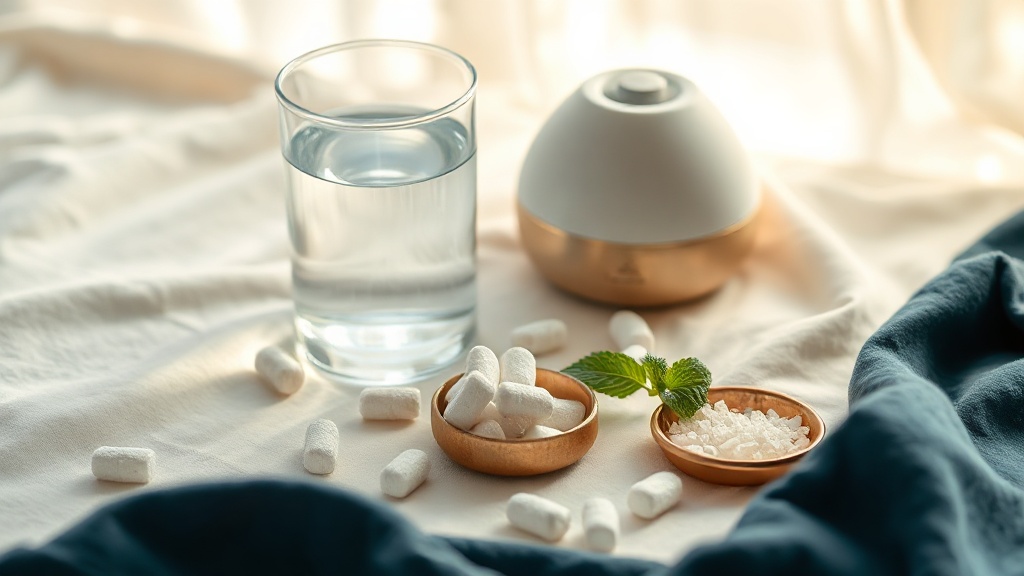
- The natural approaches with the best evidence are simple: sip water often, chew sugar-free (xylitol) gum, run a humidifier at night, and breathe through your nose rather than your mouth.
- Sugar-free gum has the strongest self-care signal of any home remedy, measurably raising unstimulated saliva flow in older and medically compromised people because the act of chewing itself drives saliva.
- Some popular remedies are counterproductive. Sucking lemon, sour sweets or other acidic remedies can prompt a little saliva but erodes tooth enamel, which is the last thing a dry mouth needs.
- Two common claims are simply wrong. Slippery elm has no controlled evidence for dry mouth, and peppermint does not work through the vagus nerve; menthol freshens and the chewing or sucking action is what actually helps.
- Natural remedies are comfort care, not a cure. If dryness is persistent, followed a new medication, or comes with dry eyes, see a dentist or doctor, and never stop a prescribed medicine on your own.
The natural remedies that genuinely help dry mouth are practical, not exotic: frequent sips of water, sugar-free xylitol gum, a bedroom humidifier, and nasal rather than mouth breathing. Avoid acidic remedies like lemon, which erode enamel. These ease the feeling of dryness but do not cure it, so see a professional if it persists.
Why the mouth goes dry, and where natural remedies fit
Dry mouth, known medically as xerostomia, is the feeling of dryness; it does not always mean your glands have stopped working. Sometimes flow really is low, and sometimes flow is normal but the mouth still feels parched, often because moisture is being lost faster than it is replaced. That distinction matters for choosing remedies, because natural approaches work in two different ways. Some genuinely encourage your own saliva: chewing and sucking stimulate the glands through normal reflexes, which is why sugar-free gum is the standout home remedy. Others simply reduce moisture loss or add comfort from the outside: a humidifier keeps the air around you from wicking moisture away overnight, and nasal breathing stops the constant evaporation that open-mouth breathing causes. Research measuring this found that oral breathing significantly lowered oral moisture and worsened dryness, while heated humidification at night significantly reduced nighttime dryness. None of these is a treatment for a disease. They are sensible ways to tilt the balance toward comfort, and they are most useful when you match the remedy to your pattern, whether that is daytime stickiness or waking up parched at 3 a.m.
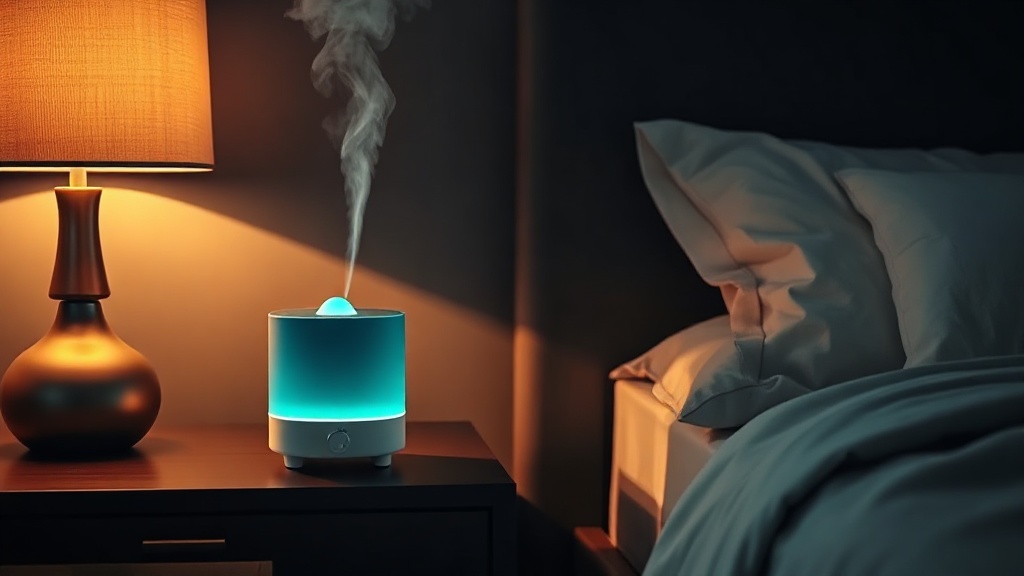
A bedroom humidifier tackles one of the biggest overnight problems: dry air pulling moisture from an already dry mouth.
What the research actually shows
Every claim below maps to a named, peer-reviewed source in the Sources section. According to PubMed.
| Claim | Evidence | Source |
|---|---|---|
| Sugar-free gum chewing significantly raised unstimulated saliva flow in elderly and medically compromised people; longer chewing gave more benefit. | Systematic review and meta-analysis. | Dodds et al., 2023 |
| An overnight xylitol adhering disc raised perceived oral wetness more than threefold and improved morning discomfort in a small pilot. | Uncontrolled within-subject pilot, 15 participants. | Burgess & Lee, 2011 |
| Overnight heated humidification significantly reduced nighttime and early-morning oral dryness. | Sjogren pilot study. | Hay & Morton, 2006 |
| Mouth breathing significantly reduced measured oral moisture and worsened dryness scores; the mouth loses water by evaporation only when it is open. | Direct human measurement; mechanistic analysis. | Oto 2013; Dawes 2004 |
| Menthol can modestly raise whole-mouth saliva through oral TRP channels, not the vagus nerve; the sucking or chewing action is the real driver. | Proteomic stimulation study. | Houghton et al., 2020 |
Natural remedies, honestly rated
| Remedy | What the evidence says | Verdict |
|---|---|---|
| Sipping water often | Adds moisture and helps clear the mouth; does not fix low flow but eases the feeling | Helpful, do it |
| Sugar-free (xylitol) gum | Chewing significantly raises flow; strongest self-care signal | Best-supported remedy |
| Overnight adhering discs | Small pilot showed more overnight wetness; evidence is thin but promising | Reasonable for night comfort |
| Humidifier + nasal breathing | Cuts overnight moisture loss; measurable reduction in night dryness | Helpful, especially at night |
| Lemon and sour sweets | May prompt a little saliva but acid erodes enamel | Skip, or use only tooth-safe forms |
| Slippery elm | No controlled dry-mouth evidence; at most a brief coating feeling | Not supported |
The natural remedies to be careful with
Honesty is what separates a useful guide from a hopeful one, so here is the part most lists leave out. The classic folk fix of sucking a lemon or a sour sweet does prompt some saliva, but it bathes your teeth in acid, and a dry mouth is already at higher risk of decay because there is less saliva to protect and re-mineralize enamel. Trading a moment of moisture for enamel erosion is a poor bargain. Two other popular claims do not survive scrutiny. Slippery elm is often marketed for dry mouth, yet targeted searches turn up no controlled studies for that use; its only defensible role is a passing coating sensation, not increased saliva. And the widely repeated idea that peppermint stimulates saliva through the vagus nerve is anatomically wrong, because the major salivary glands are supplied by the facial and glossopharyngeal nerves, not the vagus. Peppermint can feel refreshing and menthol can nudge flow a little through surface sensory channels, but the genuine benefit of a mint or lozenge comes from the sucking and chewing action, not the flavour. Knowing this saves money and protects your teeth: reach for the sugar-free, tooth-friendly options and treat sour remedies as something to avoid rather than rely on.
Evidence you can act on.
Occasional emails — new research, new protocols, no noise.
A simple natural routine for dry mouth comfort
None of this treats a disease. It is a practical way to make a dry mouth more comfortable through the day and, especially, overnight.
- 1
Sip water on a schedule, not just when thirsty
all dayKeep water nearby and take small sips regularly, particularly after coffee, alcohol or a dry stretch of talking. You are aiming to keep surfaces moist rather than to drink a huge volume, which mainly sends you to the bathroom.
- 2
Chew sugar-free xylitol gum after meals
5 to 10 minutesChewing is the most reliable way to prompt your own saliva, and xylitol is a tooth-friendly, non-fermentable sweetener. Longer chewing helps more. Keep all xylitol products well away from dogs, for whom they are toxic.
- 3
Run a humidifier and breathe through your nose
overnightDry bedroom air and open-mouth breathing are a major reason people wake up parched. A cool or warm-mist humidifier and a habit of nasal breathing reduce the overnight moisture loss that dries the mouth most.
- 4
Protect your enamel
twice dailyBecause saliva normally defends teeth, brush with a fluoride toothpaste and skip acidic sour remedies. If you want a stimulant lozenge, choose a sugar-free, tooth-safe one rather than a sour sweet that erodes enamel.
- 5
Match the remedy to your pattern
ongoingIf mornings are worst, focus on overnight air and a bedtime routine. If daytime stickiness is the issue, lean on water and gum. Tuning the routine to when your mouth feels driest gets you more comfort for less effort.

A cautionary favourite: lemon and sour remedies can prompt saliva but erode enamel, which a dry mouth can least afford.
Home remedies are for comfort, not diagnosis. See a dentist or doctor if your dry mouth is persistent, started after beginning a new medicine, comes with dry eyes, or is accompanied by new cavities, a burning feeling, or trouble swallowing. Dry eyes and dry mouth together in particular deserve a proper assessment. Never stop or adjust a prescribed medication on your own to relieve dryness; if you think a drug is the cause, raise it with the prescriber, who can weigh the options safely.
Frequently asked questions
Sources
- 1.
- 2.
- 3.
- 4.
- 5.
- 6.
- 7.

Fix your breath at the source.
The complete science-backed protocol — engineered to eliminate volatile sulfur compounds at the biological source.
Start the Breath Protocol →Related reading
Educational purposes only. The content on this page is not medical advice and is not a substitute for consultation with a qualified dental or medical professional.
More from the library
 Guides8 min
How to Fix Dry Mouth: An Evidence-Based Guide
Dry mouth is usually manageable once you know what is driving it and which supportive habits actually move the needle.
Read →→ Guides8 min
What Causes Dry Mouth? The Common Triggers, Explained
Dry mouth almost always has an identifiable trigger, and knowing yours is the first step toward relief.
Read →→ Best Of9 min
Best Dry Mouth Rinse
An honest, evidence-based guide to choosing a dry mouth rinse that soothes without making dryness worse.
Read →→ Answers8 min
Can You Cure Dry Mouth? What Actually Helps
Dry mouth is usually a symptom, not a disease — here is why it is managed rather than cured, and the realistic steps that bring relief.
Read →→ Guides8 min
Dry Mouth at Night: Why It Happens and How to Sleep Easier
Nighttime dryness is common because your saliva naturally slows while you sleep, and a few targeted habits can make a real difference.
Read →→ Best Of8 min
Best Mouthwash for Dry Mouth: What to Look For
The best dry-mouth rinse is the one that soothes without drying, and the label tells you more than the marketing.
Read →→