Do Home Remedies for Tonsil Stones Work?
A straight-talking look at the popular home fixes for tonsil stones, weighing tradition against the evidence and flagging the one that can harm your enamel.
- Home remedies are popular for good reason, gargling and rinsing are cheap, gentle and part of a long tradition, but the evidence that they actually clear tonsil stones is thin, so honesty matters.
- What genuinely helps is the physical flushing, not any magic ingredient: a gentle salt-water gargle or, better, a low-pressure water rinse can loosen and wash debris, and irrigation lowers the sulfur gases behind the smell.
- Salt water is soothing and low-risk but is not a meaningful antimicrobial, so treat it as a debris-loosening comfort measure rather than a cure.
- Apple cider vinegar is the one to be cautious with: at typical retail strength its acid erodes tooth enamel, and no study shows it dissolves a tonsil stone, so the risk outweighs the unproven benefit.
- Across all home breath remedies the overall certainty of evidence is low, so the sensible stance is to use the gentle, safe ones for comfort and skip anything acidic or abrasive.
Some home remedies help a little, mostly by physically loosening debris. A gentle salt-water or low-pressure water rinse can wash stones and freshen breath, and irrigation lowers odour gases. But salt water is not a real antimicrobial, apple cider vinegar risks eroding enamel, and oil pulling has no tonsil-stone evidence. Use the gentle ones for comfort, not as cures.
Why the gargle sometimes works, and it is not the ingredient
When a home remedy seems to help a tonsil stone, it is worth asking what actually did the work, because the answer is almost always the physical rinsing rather than the special ingredient. A tonsil stone behaves like a living biofilm, and researchers have shown that even ten minutes of chlorhexidine, a far stronger antiseptic than anything in your kitchen, fails to kill the deep core; chemistry does not penetrate. What does dislodge debris is mechanical force, the same reason brushing physically ruptures around ninety per cent of a stubborn biofilm. So a vigorous salt-water gargle can genuinely loosen a stone sitting near the surface, not because salt is a powerful germ-killer, which laboratory work says it is not, but because the swirl of liquid physically flushes the crypt. This reframes the whole home-remedy question. The useful remedies are the ones that move water around gently and safely; the ingredients people credit are mostly along for the ride. It also explains why a purpose-made low-pressure water rinse outperforms a swish, and why anything you would never want swirling against your teeth, like vinegar, is a bad trade.
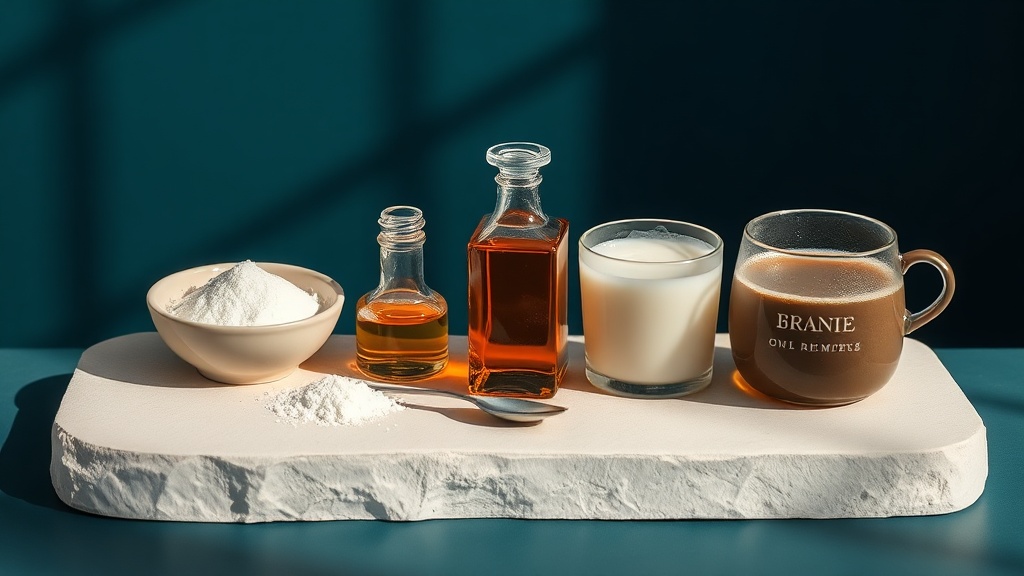
The kitchen line-up people try, salt, vinegar, oil, works mostly through rinsing, and one of these carries a real risk to your teeth.
What the research actually shows
Every claim below maps to a named, peer-reviewed source in the Sources section. According to PubMed.
| Claim | Evidence | Source |
|---|---|---|
| Salt water was not an effective antimicrobial compared with rinses like cetylpyridinium chloride and chlorhexidine, so its value is soothing and debris-loosening, not germ-killing. | Laboratory antimicrobial comparison. | Tiong et al., 2021 |
| Acetic acid at typical retail-vinegar strength (around 5%) caused significant, irreversible enamel loss in formal testing. | In-vitro enamel non-inferiority study. | Schneiderman et al., 2022 |
| A single gentle oral-irrigation cycle lowered total sulfur gases and methyl mercaptan, the physical rinsing that home remedies rely on. | Independent single-cycle irrigation trial (n=20). | Karm et al., 2025 |
| Across 44 trials the certainty of evidence for halitosis remedies was low to very low, with no single agent proven superior. | Cochrane systematic review. | Kumbargere Nagraj et al., 2019 |
| The antimicrobial activity of grapefruit seed extract tracked with synthetic preservatives, not the grapefruit; preservative-free extract had none. | Analytical chemistry study of commercial extracts. | Ganzera et al., 2006 |
The popular remedies, honestly rated
| Home remedy | What people hope it does | What the evidence shows | Sensible verdict |
|---|---|---|---|
| Salt-water gargle | Kills bacteria, dissolves stones | Not a real antimicrobial; but the rinsing loosens debris | Fine as a gentle, soothing rinse |
| Low-pressure water rinse | Flushes stones out | Irrigation lowers odour gases; safe used gently | The most useful home option |
| Apple cider vinegar | Dissolves the stone | No evidence it dissolves stones; erodes enamel at typical strength | Skip it; the acid risk is real |
| Hydrogen peroxide / oxygenating rinse | Bubbles the stone away | Oxygenating rinses can cut odour gases; no proof of dissolving stones | Diluted and occasional at most |
| Oil pulling | Draws out stones and bacteria | No tonsil-stone evidence at all | Harmless but unproven; do not rely on it |
The dual-evidence view: tradition counts, but so does honesty
There is a fair way to weigh folk remedies that neither dismisses them nor oversells them. Many have a long community history and a real logic, gargling salt water to soothe a throat is centuries old and genuinely comforting, and that lived experience deserves respect. But respect is not the same as a free pass on safety or on evidence. When the community tradition and the science point the same way, as with gentle rinsing physically loosening debris, you can lean in with confidence. When they diverge, safety has to win. Apple cider vinegar is the clearest example: the folk claim is that its acid melts stones, but the only thing controlled studies reliably show is that acid at that strength strips minerals from your teeth, with no evidence it touches the stone. A similar caution applies to natural products marketed as antimicrobial, where analysis has found the activity of some famous plant extracts came from undisclosed synthetic preservatives, not the plant itself. So the honest stance is neither cynical nor credulous: use the gentle, low-risk remedies for the comfort and mild debris-clearing they really provide, and set aside the acidic or abrasive ones whose only proven effect is harm.
Evidence you can act on.
Occasional emails — new research, new protocols, no noise.
The home remedies worth trying, done safely
If you want to try home care, these are the gentle, low-risk options in a sensible order. None of this treats a disease; it loosens debris and freshens breath.
- 1
Start with a warm salt-water gargle
30 seconds, as neededDissolve half a teaspoon of salt in warm water and gargle, tilting your head back so the water reaches the tonsils. It will not kill much, but the swirl can loosen a surface stone and it soothes an irritated throat, all at essentially no risk.
- 2
Move up to a low-pressure water rinse
under a minute dailyA purpose-made irrigator on its lowest setting flushes the crypts far more effectively than a swish, and a single cycle has been shown to lower the sulfur gases behind the smell. Keep the pressure low to avoid bruising the tissue.
- 3
Use an oxygenating or breath rinse for odour
as neededIf the smell is the main issue, a diluted oxygenating rinse or an alcohol-free rinse with cetylpyridinium chloride or zinc can cut the odour gases cosmetically for a few hours. Follow the label dilution and do not overuse it.
- 4
Skip the acidic and abrasive fixes
neverAvoid apple cider vinegar, lemon juice and any gritty scrub. At typical strength vinegar erodes enamel irreversibly, and there is no evidence it dissolves a stone, so it trades a real harm for an imaginary benefit.
- 5
Never gouge with sharp or metal tools
neverA cotton swab or the back of a soft toothbrush is the firmest thing that should go near a tonsil. Metal picks, bobby pins and fingernails risk puncturing tissue, bleeding and infection. If gentle methods fail, wait or see a professional.
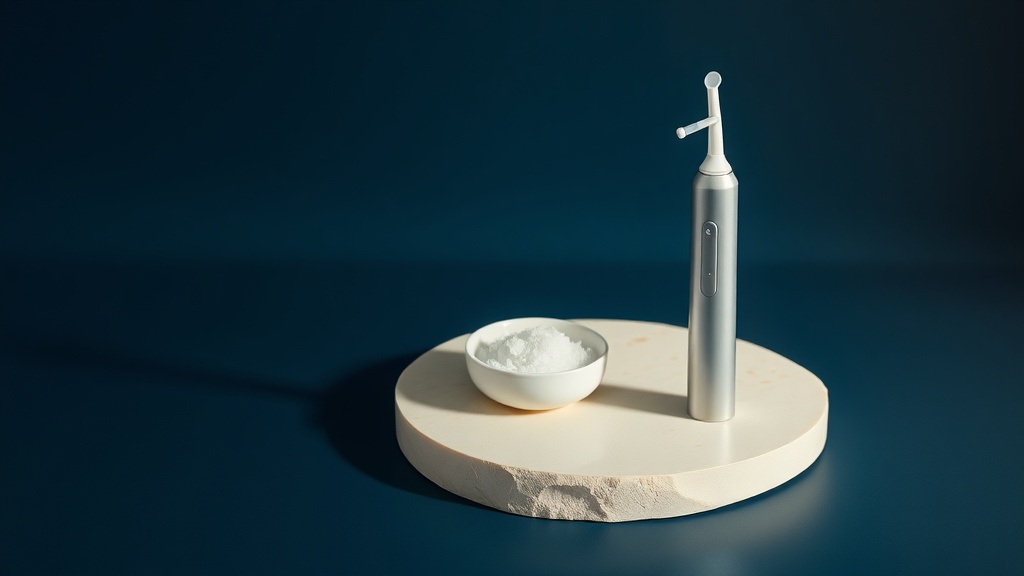
The safe shortlist is short: a salt-water gargle and a gentle water rinse do the real work, without the enamel risk of acids.
Home remedies are fine for the ordinary, harmless tonsil stone, but some signs mean it is time to stop experimenting and get checked. See a dentist or ENT if one tonsil stays visibly larger than the other, if you have repeated throat infections, ongoing pain or difficulty swallowing, persistent ear pain, or any bleeding. A lasting one-sided enlargement in particular should always be assessed in person, because a persistent asymmetry needs a professional to rule out other causes.
Frequently asked questions
Sources
- 1.
- 2.
- 3.
- 4.
- 5.
- 6.
- 7.
- 8.
- 9.
- 10.
- 11.

Fix your breath at the source.
The complete science-backed protocol — engineered to eliminate volatile sulfur compounds at the biological source.
Start the Breath Protocol →Related reading
Educational purposes only. The content on this page is not medical advice and is not a substitute for consultation with a qualified dental or medical professional.
More from the library
 Guides8 min
How to Get Rid of Tonsil Stones: A Step-by-Step Guide
The safe, evidence-informed way to dislodge tonsil stones and keep the crypts from refilling.
Read →→ Best Of8 min
Best Mouthwash for Tonsil Stones: What Actually Helps
A rinse can freshen and flush, but it cannot dislodge a deep stone. Here is how to choose well.
Read →→ Best Of8 min
Waterpik for Tonsil Stones: How to Use One Safely
A water flosser can reach the crypts a toothbrush never will — but only on its gentlest setting. Here is how to use a Waterpik on tonsil stones without hurting the tissue.
Read →→ Causes8 min
How Do Tonsil Stones Form? The Biology, Honestly Explained
The unglamorous truth about what a tonsil stone is, how it builds up in the folds of your tonsils, and why the crypts that make them are simply part of your anatomy.
Read →→ Answers8 min
Can Tonsil Stones Make You Sick? An Honest Look
A calm, honest look at whether tonsil stones can actually make you unwell, the local nuisances they do cause, and the red flags worth taking seriously.
Read →→ Answers8 min
Can a Dentist Remove Tonsil Stones? Your Professional Options
Who actually removes tonsil stones, the in-office options from simple expression to crypt reshaping, and how to know when a professional is worth it.
Read →→