Symptoms of Dry Mouth: What It Actually Feels Like
Dry mouth is a feeling as much as a measurement, and it shows up in more ways than thirst — here is what the sensation actually involves and which signs deserve a professional eye.

- Dry mouth (xerostomia) is the sensation that your mouth lacks moisture — and the first sign most people notice is not thirst but a sticky, cottony feeling, often worst on waking.
- It shows up in many small ways: thick or stringy saliva, bad breath, a sore or burning tongue, cracked lips, trouble swallowing dry food or speaking for long, and changes in taste.
- The feeling does not always match the measurement — in older adults, dry-mouth sensation is about twice as common as measurably low saliva, so the symptom is real even when flow looks normal.
- Because saliva helps protect teeth, ongoing dry mouth is one of the strongest risk factors for tooth decay and can raise the odds of oral thrush — which is why lasting symptoms deserve a dental check.
- Water helps for a moment but does not replace saliva; persistent, severe, or medication-linked dry mouth is a reason to see a dentist or doctor, not something to simply push through.
The main symptoms of dry mouth are a sticky or cottony feeling, thick saliva, bad breath, a dry or sore tongue, cracked lips, trouble swallowing dry food or speaking, and changes in taste. It is often worst at night. Because low saliva raises decay and thrush risk, lasting symptoms are worth a dental check.
What dry mouth actually is
Dry mouth — clinicians call it xerostomia — is the feeling that your mouth is short on moisture. It sounds simple, but that sensation is doing a lot of quiet work. Saliva is not just water: it is a thin, mineral-rich fluid that lubricates every bite and word, rinses away food and bacteria, buffers the acids left after meals, and carries the enzymes that begin digestion. When there is less of it, or when it turns thick and stringy, the mouth stops feeling cushioned. That is why the first thing most people notice is not thirst but texture — a sticky, cottony, almost upholstered feeling, usually worst on waking. And here is the part that trips people up: the feeling of dryness does not always match how much saliva you actually make. In older adults, the sensation of dry mouth is roughly twice as common as measurably low salivary flow, which is why two people can describe the same misery while one has near-normal output and the other very little. The symptom is real either way — it is simply a signal that the mouth is not as comfortably coated as it should be.
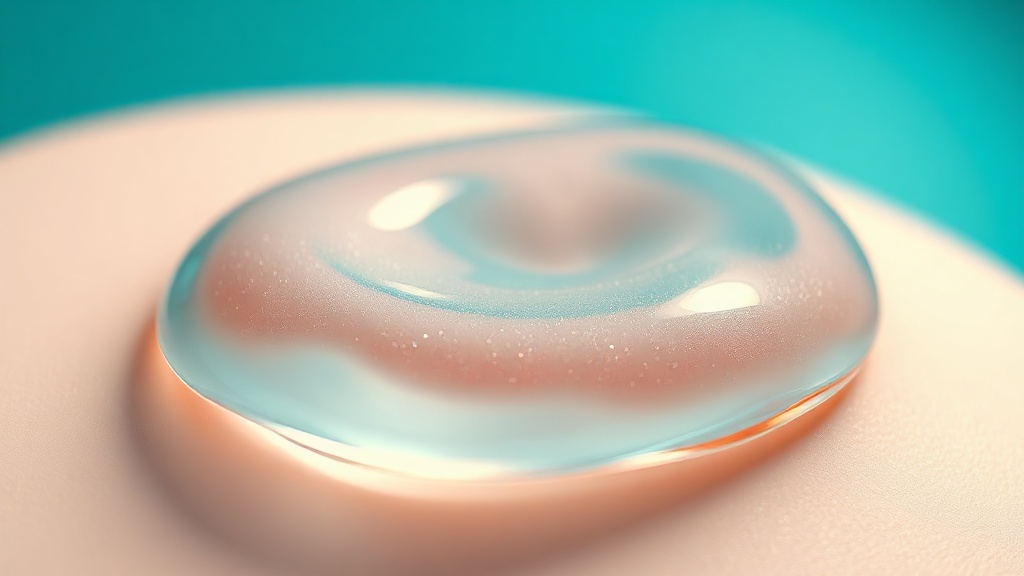
Saliva forms a thin protective film over the mouth; dry mouth is what you feel when that film thins.
What the research actually shows
Every claim below maps to a named, peer-reviewed source in the Sources section. According to PubMed.
| Claim | Evidence | Source |
|---|---|---|
| In older adults, the sensation of dry mouth (about 21%) is roughly twice as common as measurably low salivary flow (about 12-13%) — the feeling is real even when output looks normal. | Systematic review and meta-analysis, 37 studies, over 1.6 million participants. | Kamnoedboon et al., 2026 |
| Medications are the single most frequently reported cause of dry-mouth symptoms, so a new or worsening dry mouth often traces back to a recent prescription. | Clinical review of xerostomia etiology and recognition. | Guggenheimer & Moore, 2003 |
| Ongoing low saliva is one of the strongest risk factors for tooth decay — hyposalivation carried a caries rate ratio of 5.3 over 18 months. | 18-month prospective cohort of high-risk adults. | Bulthuis et al., 2022 |
| Dry mouth roughly doubles to triples the risk of oral thrush — Candida colonisation odds about 3.1 and candidiasis about 2.5 times higher. | Meta-analysis of 9 studies. | Molek et al., 2022 |
| Night-time dryness is often a distinct problem tied to the submandibular glands, which supply most resting saliva — one reason symptoms are worst on waking. | Analysis of day-versus-night xerostomia patterns. | Dijkema et al., 2012 |
Common signs and what each one reflects
| Sign you notice | What is happening | Everyday or worth a check? |
|---|---|---|
| A sticky, cottony feeling; saliva that seems thick or stringy | Less watery saliva to coat and lubricate the mouth | Everyday — very common, especially on waking |
| Bad breath or a stale morning taste | Low flow lets odour-producing bacteria and tongue coating build up overnight | Everyday, but constant daytime odour is worth mentioning |
| Trouble chewing, swallowing dry food, or speaking for long | Saliva normally lubricates food and speech | Check if it is frequent or affects eating |
| Cracked lips, sore mouth corners, a sore or burning tongue | Tissues lose their protective moisture layer | Check if it keeps happening |
| More cavities, chipping teeth, or dentures that rub | Less saliva to buffer acids and protect enamel | See a dentist — this is a red flag |
Why what you feel and what you measure can differ
Here is the surprise: dry mouth is a feeling, and feelings do not come with a flow meter. Researchers draw a careful line between xerostomia, the subjective sensation of dryness, and hyposalivation, an actual measured drop in saliva. The two overlap only about half the time. You can feel bone-dry with normal output — often because the saliva you do make has turned thicker, or because the thin film coating the palate has worn away — or you can have genuinely low flow yet barely notice. This matters when you read your own symptoms. It explains why sipping water quiets the feeling for a minute but does not fix it: water rinses, but it cannot replace the clinging, protective quality of saliva. It also explains why dryness is so often worst at night. During sleep, saliva production naturally falls to almost nothing, and if you breathe through your mouth the thin film on the palate evaporates fastest of all — so the same person who feels fine by afternoon wakes up parched. Night-time dryness in particular tends to track the submandibular glands, the ones that supply most of your resting saliva, rather than the glands that switch on only when you eat.
Evidence you can act on.
Occasional emails — new research, new protocols, no noise.
How to read what your dry mouth is telling you
Your symptoms carry useful information. Paying attention to when the dryness strikes and what does or does not ease it helps you and your dentist find the cause. None of this treats a disease — it simply helps you notice the pattern and protect your mouth in the meantime.
- 1
Notice the timing
over a few daysIs your mouth driest on waking, all day, or only after certain activities? A morning-only pattern often points to sleep and mouth breathing, while all-day dryness is more likely tied to medication or overall saliva flow. Jot down what you observe.
- 2
Check what changed
a few minutesNew or worsening dry mouth frequently follows a new prescription, a dose change, or an added medication, because drugs are the most common cause. Make a list of everything you take, including over-the-counter antihistamines, and bring it to your appointment. Do not stop anything on your own.
- 3
See what actually helps
ongoingIf a sip of water quiets the feeling for only a minute, that is a clue the issue is the saliva film itself rather than whole-body dehydration. Sugar-free gum, a bedroom humidifier, and breathing through your nose are gentle things to try while you sort out the cause.
- 4
Protect your teeth
twice dailyBecause low saliva leaves enamel more exposed, keep up thorough brushing with fluoride toothpaste and regular dental visits. Ask your dentist whether a higher-fluoride toothpaste suits you — it is the best-supported way to guard teeth when the mouth runs dry.
- 5
Book a check for the red flags
as neededDryness that is severe, persistent, or paired with dry eyes, unhealed sores, or dental damage should be assessed in person. A dentist or doctor can look for the cause and, where a medication is involved, discuss options with your prescriber.

Dry mouth is often worst on waking, when saliva flow is naturally at its lowest.
Most short-lived dry mouth is harmless and eases on its own. See a dentist or doctor if dryness lasts for weeks, is severe, or makes eating, sleeping, or speaking difficult; if it began after starting a new medication; or if it comes with dry eyes, a sore or burning mouth, unhealed sores, or new dental problems. Dry eyes and dry mouth together, in particular, should be assessed in person. Never stop a prescribed medicine on your own — ask the prescriber whether a lower dose or an alternative is possible.
Frequently asked questions
Sources
- 1.
- 2.
- 3.
- 4.
- 5.
- 6.
- 7.
- 8.

Fix your breath at the source.
The complete science-backed protocol — engineered to eliminate volatile sulfur compounds at the biological source.
Start the Breath Protocol →Related reading
Educational purposes only. The content on this page is not medical advice and is not a substitute for consultation with a qualified dental or medical professional.
More from the library
 Guides8 min
What Causes Dry Mouth? The Common Triggers, Explained
Dry mouth almost always has an identifiable trigger, and knowing yours is the first step toward relief.
Read →→ Answers8 min
Does Dry Mouth Cause Bad Breath?
Low saliva and bad breath are closely linked, and understanding the connection points straight to what helps.
Read →→ Guides8 min
Dry Mouth at Night: Why It Happens and How to Sleep Easier
Nighttime dryness is common because your saliva naturally slows while you sleep, and a few targeted habits can make a real difference.
Read →→ Answers8 min
Can You Cure Dry Mouth? What Actually Helps
Dry mouth is usually a symptom, not a disease — here is why it is managed rather than cured, and the realistic steps that bring relief.
Read →→ Guides8 min
How to Fix Dry Mouth: An Evidence-Based Guide
Dry mouth is usually manageable once you know what is driving it and which supportive habits actually move the needle.
Read →→ Best Of8 min
Best Mouthwash for Dry Mouth: What to Look For
The best dry-mouth rinse is the one that soothes without drying, and the label tells you more than the marketing.
Read →→