How to Get Tonsil Stones Out
The gentle, daily approach to getting tonsil stones out — why hydraulic loosening beats forceful poking, and how to match the method to the stone.

- The reliable way to get tonsil stones out is gentle and repeated, not hard and occasional: a light daily dislodging routine clears debris before it organises and hardens.
- Moving water does the real work. A low-pressure irrigator floats debris out of the crypt with hydraulic force, which is far safer and more effective than scraping.
- Ordinary brushing and mouthwash will not get a tonsil stone out, because neither reaches inside the crypt where the debris actually sits.
- Match the method to the stone: a loose, visible stone may lift with a gentle swab, while a deep one is a job for irrigation and time — never a rigid pick.
- This is about clearing debris and freshening breath, not treating a disease. If a stone will not budge gently, or one tonsil stays swollen, see a professional rather than forcing it.
The safest way to get tonsil stones out is to loosen them gently and regularly rather than force them. A low-pressure water flosser aimed across the tonsil floats debris out of the crypt, and a warm salt-water gargle helps. Make it a short daily habit, and reach for a purpose-built tool — never a sharp one — when a stone needs more coaxing.
Why gentle and daily beats hard and occasional
A tonsil stone is not the hard pebble people picture. Before it ever calcifies it is a soft, living biofilm — an organised community of bacteria with its own internal chemistry — and biofilm behaves like anything held together by moisture: it is far easier to float away than to pry loose. That single fact reshapes how you should try to get one out. In laboratory work, a pulsatile jet of water stripped away essentially all of a biofilm in a matter of seconds, purely by hydraulic force, whereas scraping tends to smear, fragment or embed it. It also explains why timing matters. Debris that is flushed out early, while it is still soft, never gets the chance to organise and harden into a stubborn stone; debris left to mature becomes progressively harder to move. So the most effective routine is not an occasional, forceful excavation but a light, regular rinse that keeps clearing the crypt before anything sets. Think of it the way you think of brushing: a small daily habit that keeps a problem from building, rather than a dramatic one-off rescue. Gentle wins because the tissue stays intact, and daily wins because the stone never gets old enough to fight back.

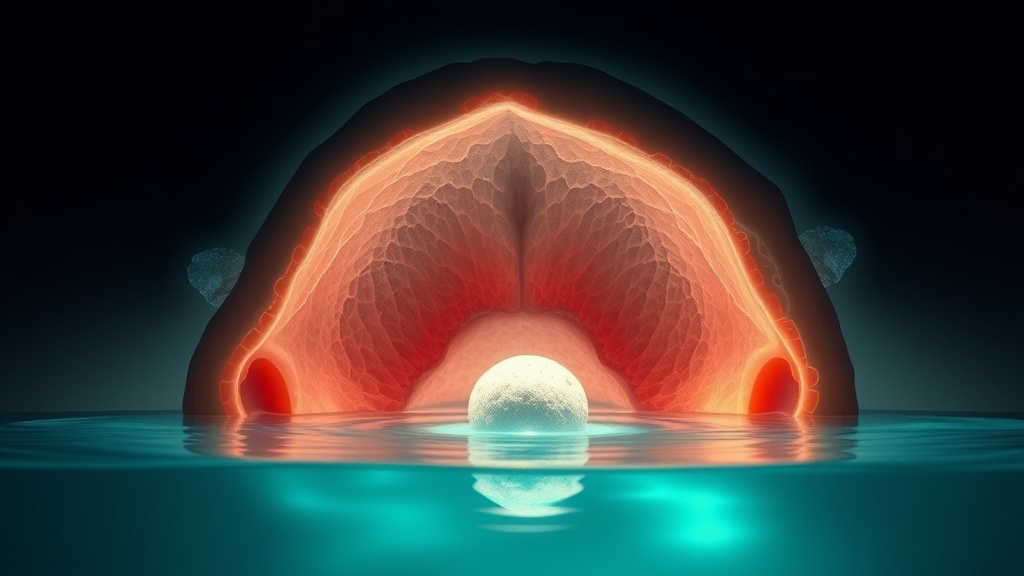
Moving water does the work: a low-pressure stream floats a soft stone out of its crypt without scraping the tissue.
What the research actually shows
Every claim below maps to a named, peer-reviewed source in the Sources section. According to PubMed.
| Claim | Evidence | Source |
|---|---|---|
| A pulsatile water jet removed about 99.9% of a biofilm within three seconds — the mechanical basis for using moving water, not scraping, to dislodge debris. | Laboratory study of pulsatile irrigation on biofilm (industry-affiliated). | Gorur et al., 2009 |
| A single water-irrigation cycle significantly lowered volatile sulfur gases and removed roughly a quarter of plaque, showing flushing clears debris and odour together. | Independent trial of one oral-irrigation cycle. | Karm et al., 2025 |
| A water flosser plus brushing removed 74.4% of whole-mouth plaque in a single use — about 29% more than string floss plus brushing. | Single-use comparison trial (industry-affiliated). | Goyal et al., 2013 |
| A month of tongue scraping and a zinc rinse cut general mouth odour but left tonsil odour nearly unchanged — ordinary hygiene does not reach the crypt. | Controlled comparison of oral versus tonsillar odour. | Talebian et al., 2008 |
| Many stones move on their own toward the throat opening, and 12.1% disappear entirely — a gentle daily routine works with that natural drift. | Follow-up CT of 326 scan pairs. | Yamashita et al., 2021 |
Ways to get a stone out — gentlest to riskiest
| Method | How it works | Verdict |
|---|---|---|
| Low-pressure water flosser or irrigator | Floats debris out of the crypt with a cushion of moving water | Best daily first choice |
| Warm salt-water gargle | Loosens surface debris and soothes the tissue | Good, low-risk adjunct |
| Gentle cotton swab on a visible, loose stone | Can nudge an already-loose stone toward the opening | Occasional and gentle only |
| Rigid pick, bobby pin, fingernail or metal tool | Scrapes the crypt and can puncture delicate tissue | Avoid — real bleeding and injury risk |
Why brushing and mouthwash never get them out
Plenty of people are meticulous about oral hygiene and still cannot get their tonsil stones out with a toothbrush or a swig of mouthwash — and that is not a failure of effort. It is a matter of reach. The debris that becomes a stone sits down inside a crypt, a deep fold in the tonsil surface, and neither bristles nor a rinse penetrate it. In a controlled study, a month of diligent tongue scraping plus a zinc rinse noticeably lowered general mouth odour yet barely touched the odour coming from the tonsils, precisely because the tonsillar source was never physically reached. There is a second reason a rinse alone falls short: a mature biofilm defends its core. When researchers exposed natural biofilm to a strong antiseptic, the deep interior kept respiring and fermenting even after prolonged contact — chemistry alone does not clear it. What actually gets a stone out is physical disruption delivered where the stone lives: a stream of water directed into the crypt. That is why the sensible tool is a low-pressure irrigator rather than a stronger mouthwash, and why the honest framing is a cosmetic one — you are clearing trapped debris and freshening breath, not medicating a condition.
Evidence you can act on.
Occasional emails — new research, new protocols, no noise.
A gentle daily routine to get them out
The aim is a short, repeatable habit that keeps the crypts clear, plus the judgement to match your effort to the stone. For step-by-step technique on specific tools, see the detailed removal and tool guides linked below — this is the overview that ties them together. None of this treats a disease; it clears debris and freshens breath.
- 1
Make a low-pressure irrigator your everyday tool
under a minute dailyChoose a water flosser or irrigator you can run on a genuinely low setting, and use it once a day. Moving water is the safest way to reach inside a crypt, and used little and often it stops debris from ever hardening. For choosing and setting one up, see the tool and water-flosser guides linked below.
- 2
Aim across the tonsil in short bursts
a few seconds per spotPoint the tip across the surface of the tonsil rather than straight into a crypt, and work in short bursts. You are trying to wash debris toward the opening, not blast a pocket. Keep the pressure low — forceful jets can bruise or bleed the tissue.
- 3
Finish with a warm salt-water gargle
30 secondsA warm salt-water gargle after irrigating loosens any surface debris you dislodged and soothes the tissue. It will not kill bacteria, but it is comforting and low-risk, and it helps a loosened stone drift free.
- 4
Match the method to the stone
as neededA stone sitting loose and visible at the opening may lift with a single gentle swab; a stone deep out of sight is a job for irrigation and patience. When a stone needs more than a rinse, reach for a purpose-built removal tool rather than improvising with something sharp — the dedicated removal guide walks through each situation.
- 5
If it will not come, stop forcing it
—Most stones that resist gentle methods will either surface later or clear on their own, since small stones are usually managed by watchful waiting. Never escalate to a pick, pin or fingernail — the bleeding and injury risk is real. If a stubborn stone keeps bothering you, a professional can remove it safely.
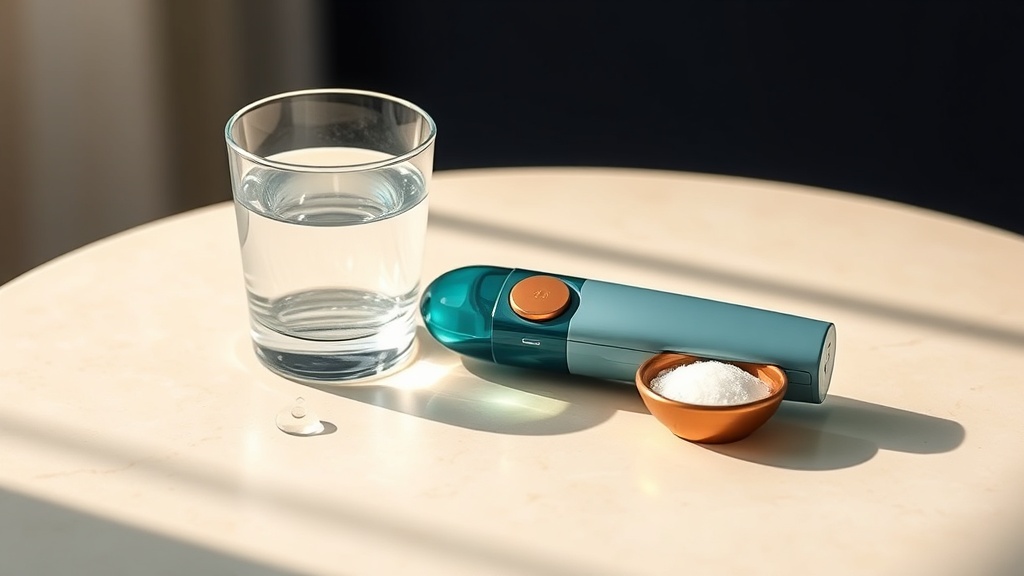
A short daily habit — low-pressure irrigation and a gargle — keeps crypts clear so debris never gets old enough to become a stubborn stone.
Getting stones out at home is fine for the small, harmless stones most people have. See a dentist or ENT instead if one tonsil is visibly larger than the other and stays that way, if you have repeated throat infections, ongoing pain or difficulty swallowing, persistent ear pain, or any bleeding. A lasting one-sided swelling should always be assessed in person, and remember that the absence of a fever does not rule out a significant throat infection.
Frequently asked questions
Sources
- 1.
- 2.
- 3.
- 4.
- 5.
- 6.
- 7.
- 8.
- 9.
- 10.

Fix your breath at the source.
The complete science-backed protocol — engineered to eliminate volatile sulfur compounds at the biological source.
Start the Breath Protocol →Related reading
Educational purposes only. The content on this page is not medical advice and is not a substitute for consultation with a qualified dental or medical professional.
More from the library
 Guides9 min
How to Make Tonsil Stones Fall Out (Gently and Safely)
Why most tonsil stones fall out by themselves, and the gentle, low-pressure way to help one along without ever gouging at delicate tonsil tissue.
Read →→ Best Of8 min
Waterpik for Tonsil Stones: How to Use One Safely
A water flosser can reach the crypts a toothbrush never will — but only on its gentlest setting. Here is how to use a Waterpik on tonsil stones without hurting the tissue.
Read →→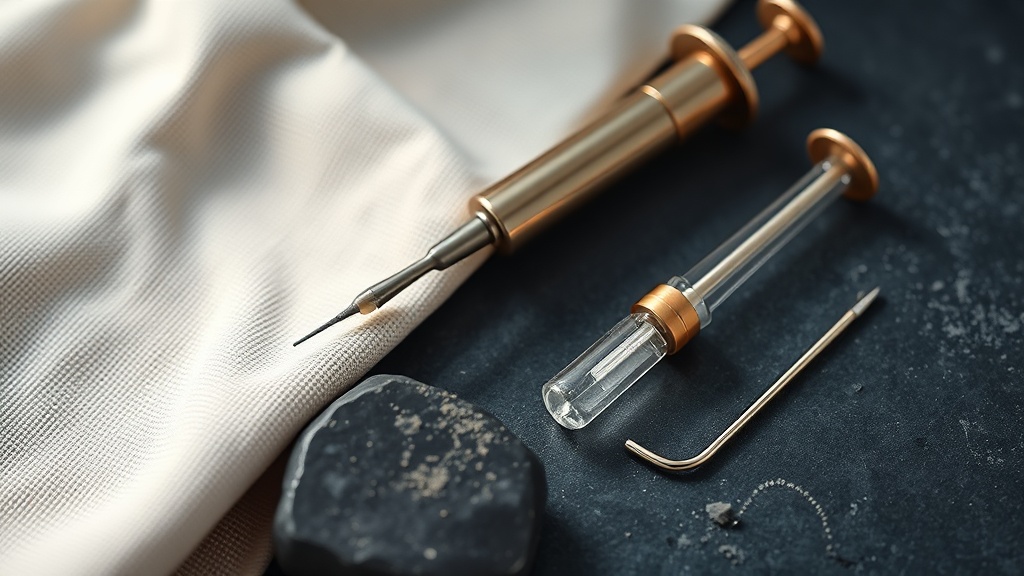 Best Of8 min
The Best Tonsil Stone Removal Tools (and the One to Never Use)
A calm, evidence-led guide to the tools that clear tonsil stone debris without hurting the delicate crypt tissue — and the one category you should never put near your throat.
Read →→ Guides9 min
How to Prevent Tonsil Stones (Reduce How Often They Come Back)
Why prevention really means reducing recurrence, and the honest, low-effort habits that keep debris from settling in your crypts long enough to harden.
Read →→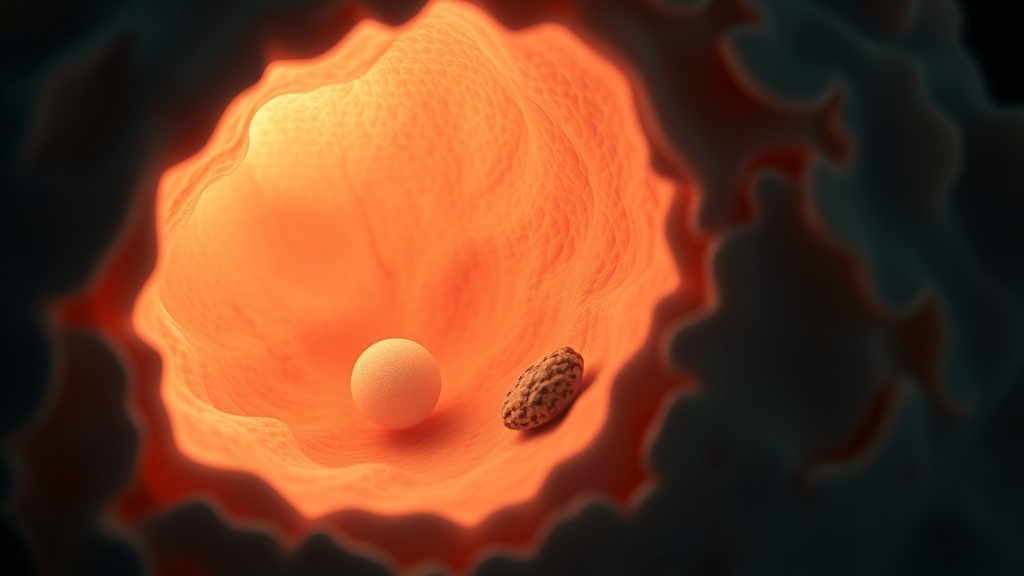 Causes8 min
How Do Tonsil Stones Form? The Biology, Honestly Explained
The unglamorous truth about what a tonsil stone is, how it builds up in the folds of your tonsils, and why the crypts that make them are simply part of your anatomy.
Read →→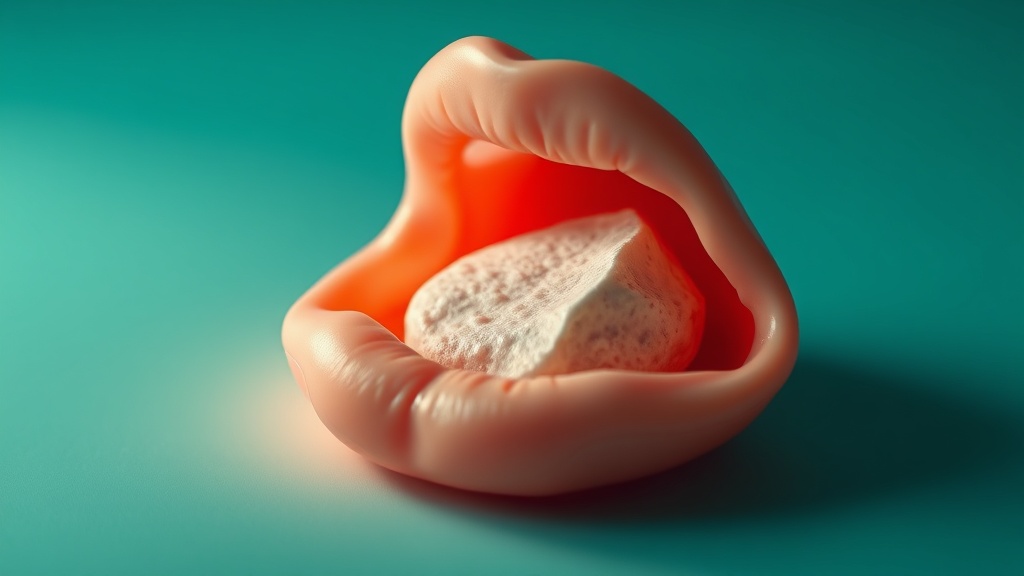 Answers8 min
Can Tonsil Stones Make You Sick? An Honest Look
A calm, honest look at whether tonsil stones can actually make you unwell, the local nuisances they do cause, and the red flags worth taking seriously.
Read →→