
How to Extract Tonsil Stones Safely: Tools and Technique
The safe-tools-and-technique guide to a single, careful tonsil-stone extraction — done gently, or not at all.
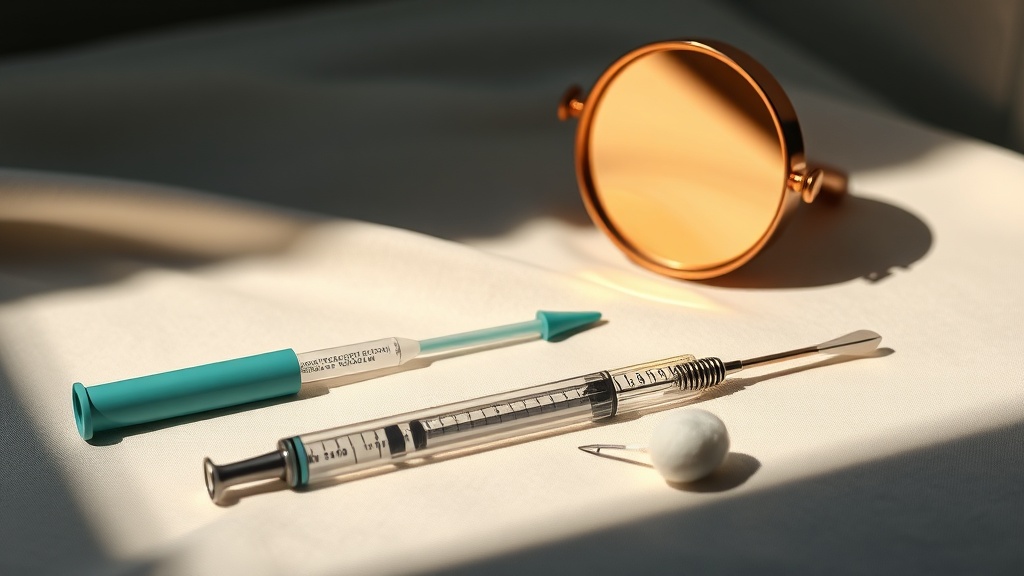
- A safe extraction is a gentle technique, not a fight. The tonsil tissue bleeds easily, so the whole method is built around soft contact and stopping early.
- Tool choice is most of the safety. Water (a low-pressure irrigator or needle-free syringe) and a soft cotton swab are safe; rigid metal picks, bobby pins and sharp objects have caused real throat injuries.
- Technique beats force: press the tonsil tissue just below a visible stone and roll upward to ease it out, rather than jabbing at the stone itself.
- The gag reflex is worked with, not suppressed. Reducing the stimulus — a smaller tool, less contact toward the back — is more effective than trying to hold the reflex down.
- Know the stop point. If a stone will not release with light pressure, or if there is pain or bleeding, the correct move is to stop and let it work loose on its own.
To extract a tonsil stone safely, use only soft tools: flush the crypt with a low-pressure water stream first, and for a stone you can clearly see, press the tissue just below it with a damp cotton swab and roll upward to ease it out. Relax your throat to calm the gag reflex, and stop at once if there is pain or bleeding.
Why a careful extraction is a technique, not a fight
The instinct with a tonsil stone is to dig it out, and that instinct is exactly what causes trouble. The tonsil bed is delicate and rich in blood vessels — in one large series, tonsil-stone cases carried the highest raw rate of post-operative bleeding among surgical indications, a reminder of how readily this tissue bleeds when it is disturbed. So a safe extraction is designed around gentleness. It also helps to understand what you are trying to move. A stone is a biofilm, and a biofilm cannot simply be rinsed away chemically: even after prolonged exposure to an antiseptic, the deep core keeps respiring, which is why physical disruption is what actually clears it. Gentle mechanical action is enough — brushing alone has been shown to rupture roughly 90% of a biofilm and spill its contents, and a low-pressure water jet stripped away about 99.9% of a biofilm in three seconds. The lesson is that you do not need force to extract a stone; you need contact that dislodges it. Aggression adds risk without adding much removal power.

The safe way to free a visible stone: press the tissue just below it and roll upward — never jab or dig at the stone itself.
What the research actually shows
Every claim below maps to a named, peer-reviewed source in the Sources section. According to PubMed.
| Claim | Evidence | Source |
|---|---|---|
| Rigid instruments near the throat have caused severe oropharyngeal trauma, underscoring why sharp tools are unsafe for self-removal. | Case report plus review of 13 cases. | Kumar et al., 2008 |
| Chemical rinses alone leave the deep core of a biofilm alive and respiring, so physical disruption is required to clear it. | Real-time microsensor analysis of natural biofilm. | von Ohle et al., 2010 |
| Gentle mechanical action is enough: brushing ruptured roughly 90% of a biofilm and released its contents. | Laboratory biofilm-disruption study. | Sato et al., 2015 |
| A low-pressure water jet removed about 99.9% of a biofilm in three seconds through hydraulic force. | Ex-vivo salivary-biofilm study. | Gorur et al., 2009 |
| Reducing the provoking stimulus (smaller tool, less posterior contact) manages the gag reflex better than trying to suppress it. | Review of gag-reflex management strategies. | Garcovich et al., 2025 |
Safe tools versus tools to avoid
| Tool | Verdict | Why |
|---|---|---|
| Low-pressure water flosser or irrigator | Safe — first choice | Reaches the crypt with water and no hard contact |
| Needle-free syringe of warm water | Safe | Delivers a gentle, targeted stream |
| Damp cotton swab | Safe for a visible stone | Soft; rolls debris out without cutting |
| Clean fingertip, short nails | Use with care | Only on a stone you can easily reach; wash hands first |
| Metal pick, dental tool or bobby pin | Unsafe | A rigid point can puncture the tissue and bleed |
| Toothbrush handle or any sharp object | Unsafe | Documented cause of severe throat trauma |
Managing the gag reflex so you can actually reach
For many people the real obstacle is not the stone but the gag reflex. It is common — surveys put a strong gag response in a meaningful slice of the population, and roughly half of people gag at least occasionally during oral care — and it reliably ends a removal attempt the moment a tool touches too far back. The useful finding from the research is counter-intuitive: trying to suppress the reflex works less well than reducing what triggers it. In practice that means choosing a smaller tool, keeping your contact toward the front of the tonsil, and avoiding the very back of the throat entirely. A few habits help: breathe steadily through your nose, hum or make a low sound to keep the palate settled, curl and press your thumb in your fist as a distraction, and work in short attempts rather than one long push. If a stone can only be reached by going deep enough to gag, that is a sign to leave it to gentle rinsing or to a professional — not to push through, which only raises the odds of a slip and an injury.
Evidence you can act on.
Occasional emails — new research, new protocols, no noise.
A single, careful extraction — step by step
This is one gentle attempt, not a repeated poking session. If a step does not work with light effort, that is the answer: stop and let time and rinsing do the rest.
- 1
Gather safe tools and clean up
2 minutesWash your hands thoroughly and set out only soft tools: a water flosser or needle-free syringe filled with warm water, and a fresh cotton swab. Put every rigid or pointed object away — no picks, pins, or improvised tools. Starting with the right kit removes most of the risk before you begin.
- 2
Set the scene: light, mirror, position
1 minuteStand at a mirror in bright light, tilt your chin slightly up, open wide and say a soft ahh to lift the soft palate and bring the stone into view. Note exactly where it sits so you can work with intention rather than probing blindly around the area.
- 3
Calm the gag reflex first
as neededBefore touching anything sensitive, take a few slow breaths through your nose and hum quietly to settle the palate. Keep your planned contact toward the front of the tonsil. If your throat is very reactive, this is the moment to accept a water-only approach rather than a swab.
- 4
Extract gently: water first, then a swab
under a minuteFlush the crypt with short, low-pressure bursts of water — often this alone floats the stone free. If it is visible and stays put, press a damp swab on the tonsil tissue just below the stone and roll upward, easing it out. Never jab the stone directly, and never apply more than light pressure.
- 5
Aftercare and the stop rule
1 minuteRinse with warm salt water to clear loosened debris and soothe the area. Then stop for the day — repeated attempts inflame the tissue. Stop immediately at any sign of bleeding or real pain, and leave a stubborn stone alone; most migrate toward the throat opening and release on their own within days.

Relaxing the throat and keeping contact toward the front of the tonsil calms the gag reflex better than fighting it.
Some stones should not be extracted at home at all. See a dentist or an ENT if a stone is deep, large or out of reach, if one tonsil stays visibly larger than the other, if you have repeated throat infections, ongoing pain or trouble swallowing, persistent ear pain, or any bleeding. Lasting one-sided tonsil enlargement should always be assessed in person to rule out other causes.
Frequently asked questions
Sources
- 1.
- 2.
- 3.
- 4.
- 5.
- 6.
- 7.
- 8.
- 9.

Fix your breath at the source.
The complete science-backed protocol — engineered to eliminate volatile sulfur compounds at the biological source.
Start the Breath Protocol →Related reading
Educational purposes only. The content on this page is not medical advice and is not a substitute for consultation with a qualified dental or medical professional.
More from the library
 Guides9 min
How to Make Tonsil Stones Fall Out (Gently and Safely)
Why most tonsil stones fall out by themselves, and the gentle, low-pressure way to help one along without ever gouging at delicate tonsil tissue.
Read →→ Best Of8 min
Waterpik for Tonsil Stones: How to Use One Safely
A water flosser can reach the crypts a toothbrush never will — but only on its gentlest setting. Here is how to use a Waterpik on tonsil stones without hurting the tissue.
Read →→ Best Of8 min
The Best Tonsil Stone Removal Tools (and the One to Never Use)
A calm, evidence-led guide to the tools that clear tonsil stone debris without hurting the delicate crypt tissue — and the one category you should never put near your throat.
Read →→ Answers8 min
ENT Specialist for Tonsil Stones: When You Actually Need One
The honest guide to when a tonsil stone is a job for an ear, nose and throat specialist — and the red flags you should never sit on.
Read →→ Causes8 min
How Do Tonsil Stones Form? The Biology, Honestly Explained
The unglamorous truth about what a tonsil stone is, how it builds up in the folds of your tonsils, and why the crypts that make them are simply part of your anatomy.
Read →→ Answers8 min
Can Tonsil Stones Make You Sick? An Honest Look
A calm, honest look at whether tonsil stones can actually make you unwell, the local nuisances they do cause, and the red flags worth taking seriously.
Read →→