Does Anxiety Cause Dry Mouth? The Stress-Saliva Connection
Anxiety really can dry your mouth — through the fight-or-flight response and, separately, through medication. Here is how to tell which, and what helps.

- Yes, anxiety can genuinely dry your mouth — and it does so through more than one route, so the fix depends on which one is at play.
- In the moment, the fight-or-flight response shifts your nervous system away from the settings that keep watery saliva flowing, so a stressful moment can leave the mouth feeling dry or sticky.
- Anxiety can make the mouth feel dry even when measured saliva is normal — a large study found stress and anxiety were tied to the sensation of dryness independent of actual flow.
- Many anxiety and depression medicines list dry mouth as a common side effect, with older tricyclic antidepressants the most drying and SSRIs generally milder.
- This page is educational and does not treat anxiety or any disease — persistent anxiety belongs with a mental-health professional, persistent dry mouth with a dentist or doctor, and you should never stop a prescribed medicine on your own.
Yes. Anxiety can dry your mouth two ways. Acutely, the fight-or-flight response shifts your nervous system so watery saliva slows, making the mouth feel dry or sticky during stress. Separately, many anxiety and antidepressant medicines cause dry mouth as a side effect. Both are real and manageable — and neither means you should stop a prescribed medication on your own.
What fight-or-flight does to your saliva
Salivation is run automatically by your nervous system, and it has two settings. The rest-and-digest side, the parasympathetic system, drives the free-flowing watery saliva that keeps your mouth comfortable. The fight-or-flight side, the sympathetic system, does the opposite for watery flow — it is the branch that ramps up when your brain senses a threat. When anxiety switches the body toward that alert state, the balance tips away from generous watery saliva, and the mouth can feel dry, sticky or tacky within moments. Reviews of how the brain controls the body confirm the wiring: the stress centres of the brain, including the amygdala and hypothalamus, generate coordinated automatic responses to threatening or emotionally charged situations, and salivation is one of the many functions that sit under that automatic control. This is why a dry mouth before public speaking, an exam or a hard conversation is such a universal experience — it is the physiology of stress showing up in your mouth, not a sign that something is broken. The reassuring flip side is that when the stressful moment passes and the body settles, the watery flow returns.
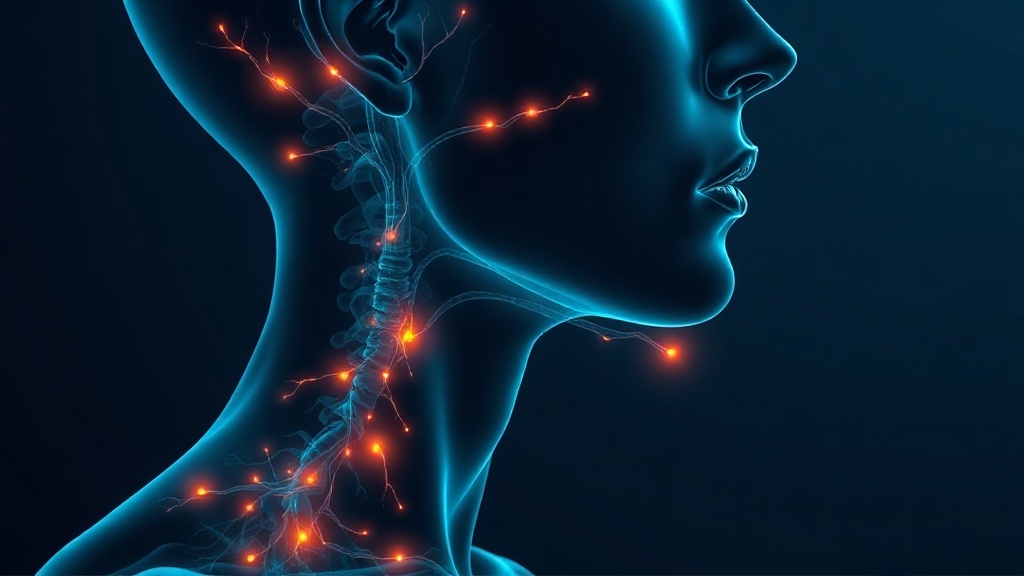
When stress tips your nervous system toward fight-or-flight, the balance shifts away from free-flowing watery saliva — so the mouth feels dry.
What the research actually shows
Every claim below maps to a named, peer-reviewed source in the Sources section. According to PubMed.
| Claim | Evidence | Source |
|---|---|---|
| Anxiety, perceived stress and depression were significantly linked to the sensation of dry mouth even when measured saliva flow was normal. | Population study of 1,202 people. | Bergdahl & Bergdahl, 2000 |
| Salivation is an automatic (parasympathetic) reflex, and the brain stress centres generate the autonomic responses that can shift it. | Review of autonomic physiology. | Benarroch, 2020 |
| Psychiatric medicines reduced saliva versus placebo, with tricyclic antidepressants the most drying. | Systematic review of 18 randomised trials. | Teoh et al., 2023 |
| Anxiety and depression were associated with more tooth decay and tooth loss, partly via medication-related dry mouth. | Systematic review and meta-analysis (334,503 people). | Kisely et al., 2016 |
| The feeling of dry mouth and measured low saliva often diverge, so the sensation is real even when a flow test looks normal. | Review distinguishing xerostomia from hyposalivation. | Vistoso Monreal et al., 2022 |
The different ways anxiety dries your mouth
| Pathway | What is happening | What helps |
|---|---|---|
| Acute stress (fight-or-flight) | The nervous system briefly shifts away from watery saliva; you feel dry or sticky | Calm the moment, breathe, sip and chew — it passes |
| Anxious habits | Mouth breathing, extra caffeine and forgetting to drink all add dryness | Address the habit rather than the mouth alone |
| Anxiety or antidepressant medication | A common, often dose-related side effect of the medicine | Talk to your prescriber — never stop on your own |
| The worry loop | Noticing the dryness raises anxiety, which deepens the feeling | Reassurance plus simple comfort measures breaks the loop |
Is it the anxiety or the medicine?
Both can be true at once, and untangling them matters because the answers differ. Dry mouth that comes and goes with stressful moments — worse before a presentation, easing on a calm weekend — points to the fight-or-flight pathway, and the response is to calm the nervous system and keep the mouth working. Dry mouth that began within days or weeks of starting or increasing an anxiety or depression medicine, and that stays steady regardless of your stress level, points to the medication. The evidence here is clear: a systematic review of eighteen trials found that psychiatric medicines measurably reduced saliva compared with placebo, with the older tricyclic antidepressants the most drying and the widely used SSRIs generally milder. That is useful to know, but it is not a reason to change anything by yourself. Reviewing or adjusting a xerogenic medicine is a prescriber decision, weighed against how well the medicine is treating your anxiety or mood. The right move is to bring it up: describe the dryness, ask whether the dose or the specific drug could be involved, and let your prescriber balance the trade-offs. In the meantime, the comfort steps below are safe alongside any medication.
Evidence you can act on.
Occasional emails — new research, new protocols, no noise.
Calming an anxious dry mouth
These steps address comfort and the stress response — they do not treat anxiety itself, which belongs with a professional. Use the in-the-moment steps when stress hits and the everyday ones to lower the background dryness.
- 1
Slow your breathing in the moment
1-2 minutesWhen a stressful spike dries your mouth, a few slow breaths help settle the body out of its alert state, which is the setting that dampened your watery saliva in the first place. It is the simplest way to let normal flow return.
- 2
Sip and chew to restart flow
as neededTake a few sips of water and chew sugar-free gum or suck a xylitol lozenge. The physical act of chewing and sucking triggers the salivary reflex directly, giving you fast, drug-free relief while the stress passes.
- 3
Trim the everyday amplifiers
ongoingAnxiety often travels with extra coffee, less water and shallow mouth breathing, all of which dry the mouth further. Easing back on caffeine, keeping water handy and favouring nasal breathing removes the background dryness that stress then stacks on top of.
- 4
Raise medication dryness with your prescriber
at your next visitIf the dryness lines up with an anxiety or antidepressant medicine, tell the person who prescribes it. There may be options — but that is their call to make with you. Do not stop or change the dose on your own, because the medicine is doing an important job.
- 5
Get anxiety itself the right support
ongoingPersistent anxiety is worth proper care from a mental-health professional or your doctor. Treating the anxiety at its source is the most durable way to quiet the stress response that keeps drying your mouth — and this page is no substitute for that support.

Slow breathing, water and a sugar-free chew are safe, drug-free ways to ease an anxious dry mouth in the moment.
See a dentist or doctor if your dry mouth is constant rather than tied to stressful moments, if it began with a new medicine, or if it comes with dry, gritty eyes, trouble swallowing or speaking, or a burning tongue — the combination of dry mouth and dry eyes in particular should be assessed in person. Because dry mouth is one of the strongest risk factors for tooth decay, ask your dentist about protecting your teeth. For the anxiety itself, a mental-health professional or your doctor is the right support. And never stop or change a prescribed anxiety or antidepressant medication on your own — raise the dryness with your prescriber and let them weigh the options.
Frequently asked questions
Sources
- 1.
- 2.
- 3.
- 4.
- 5.
- 6.
- 7.

Fix your breath at the source.
The complete science-backed protocol — engineered to eliminate volatile sulfur compounds at the biological source.
Start the Breath Protocol →Related reading
Educational purposes only. The content on this page is not medical advice and is not a substitute for consultation with a qualified dental or medical professional.
More from the library
 Guides8 min
What Causes Dry Mouth? The Common Triggers, Explained
Dry mouth almost always has an identifiable trigger, and knowing yours is the first step toward relief.
Read →→ Causes8 min
Adderall Tongue: Why Stimulant Medication Dries Out Your Mouth
The honest science behind the dry, sticky, sometimes sore tongue that so often comes with stimulant medication for ADHD.
Read →→ Answers8 min
Can You Cure Dry Mouth? What Actually Helps
Dry mouth is usually a symptom, not a disease — here is why it is managed rather than cured, and the realistic steps that bring relief.
Read →→ Guides8 min
Dry Mouth at Night: Why It Happens and How to Sleep Easier
Nighttime dryness is common because your saliva naturally slows while you sleep, and a few targeted habits can make a real difference.
Read →→ Guides8 min
How to Fix Dry Mouth: An Evidence-Based Guide
Dry mouth is usually manageable once you know what is driving it and which supportive habits actually move the needle.
Read →→ Best Of8 min
Best Mouthwash for Dry Mouth: What to Look For
The best dry-mouth rinse is the one that soothes without drying, and the label tells you more than the marketing.
Read →→