What Do Tonsil Stones Look Like?
A plain-English visual guide to what tonsil stones look like — colour, size, shape and texture — and how to tell one from stray food debris.
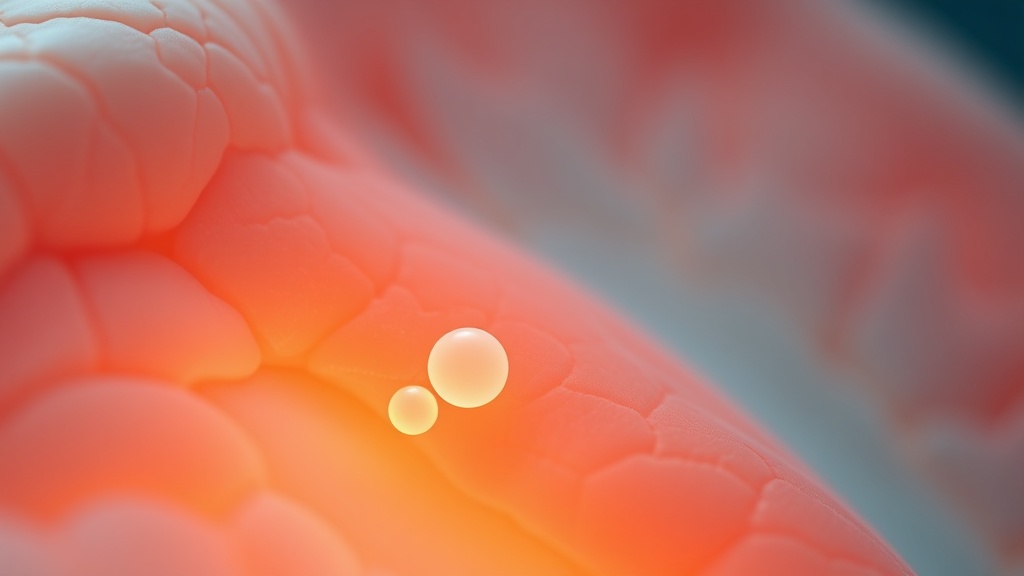
- Most tonsil stones look like small, firm, whitish or pale-yellow lumps tucked into the pockets at the back of the tonsils; some look grey or darker, and older ones can look chalkier.
- They are usually small — commonly around 2 to 4 mm, and in one large study 86.7% were 3 mm or smaller — though occasionally one grows to a centimetre or more.
- They are typically round to oval; most people have only one or two at a time, but the tonsil crypts can hold many more.
- Under a microscope a tonsil stone is a living biofilm that slowly calcifies, which is why it looks off-white and cottage-cheese-like rather than glassy — and why it smells.
- The tell that separates a stone from stray food is location and behaviour: a stone stays lodged in a crypt, keeps coming back, and smells of sulfur, whereas food debris is loose, varied and rinses away.
Tonsil stones usually look like small, firm, white or pale-yellow lumps sitting in the pockets at the back of your tonsils. Most are only about 2 to 4 mm across and round to oval, though the colour can range from cream to grey. Their real giveaway is a strong sulfur smell and the way they stay lodged in a crypt rather than rinsing away like food.
What a tonsil stone looks like — and why
Picture a small, pale lump wedged into a pocket on the surface of the tonsil. That is the classic tonsil stone: most are white to pale yellow, sometimes cream or greyish, with a firm but slightly crumbly texture that people often compare to cottage cheese or a grain of rice. The appearance follows directly from what a stone is made of. It begins as a soft biofilm — an organised mat of bacteria mixed with dead cells, mucus and food particles — which is naturally off-white rather than clear or glassy. Over time that trapped material slowly takes on calcium and hardens, and studies of stone ultrastructure describe an immature blend of organic and inorganic matter without the neat layers you see in salivary or dental stones. That half-organic, half-mineral makeup is why a tonsil stone looks matte and chalky instead of translucent. Age changes the look, too: on repeat imaging the mineral density of stones tended to increase, so an older stone can appear harder, whiter and more solid than a fresh, softer one. In short, a tonsil stone looks exactly like what it is — debris and bacteria caught mid-way between soft sludge and hard mineral.
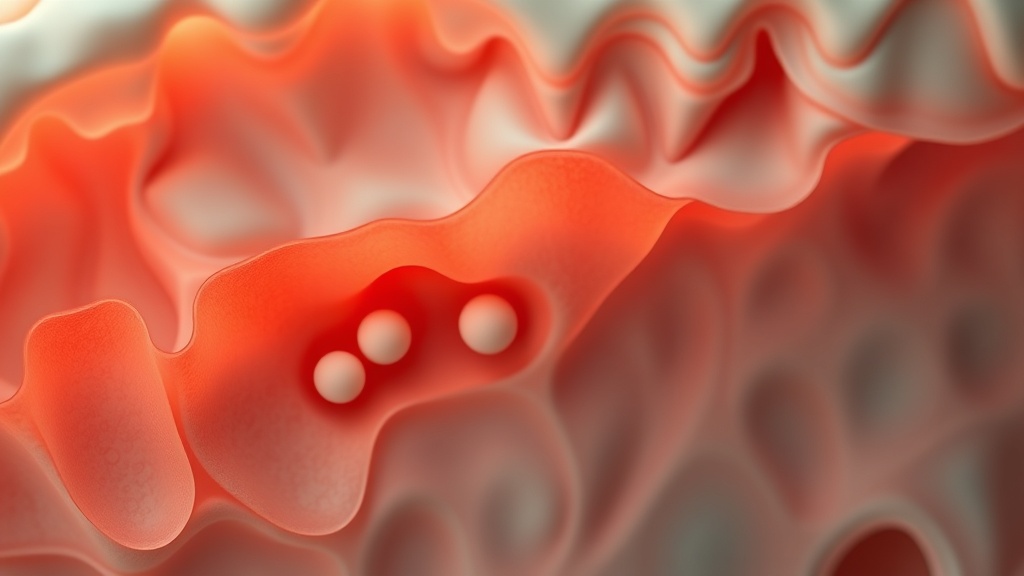
The classic look: small, round-to-oval pale lumps, white to cream, nestled in the pockets of the tonsil surface.
What the research actually shows
Every claim below maps to a named, peer-reviewed source in the Sources section. According to PubMed.
| Claim | Evidence | Source |
|---|---|---|
| About 80% of tonsil stones are ovoid in shape, people average roughly 2.7 of them, and most are small — describing the classic round, pale lump. | Largest CT prevalence series (n=3,886). | Kim et al., 2018 |
| Most stones are only a few millimetres across — mean maximum diameter about 2.3 mm, with 86.7% measuring 3 mm or smaller. | CT review of 2,710 head-and-neck scans. | Yu et al., 2017 |
| Size ranges from about 1 to 10 mm, and a single tonsil can hold as many as 18 stones — so appearance varies from a speck to a visible pellet. | CT study of 2,873 consecutive patients. | Takahashi et al., 2014 |
| Stones are an immature mix of organic and inorganic material without the distinct layers of salivary stones — why they look matte and chalky rather than glassy. | Ultrastructural comparison of tonsilloliths. | Sodnom-Ish et al., 2024 |
| A tonsil stone is a living biofilm with corncob-like bacterial structures, not an inert pebble — which is why it is off-white and malodorous. | Confocal microscopy and microelectrode study of 16 adults. | Stoodley et al., 2009 |
Tonsil stone vs trapped food — how to tell
| Feature | Tonsil stone | Trapped food debris |
|---|---|---|
| Colour | White, cream, pale yellow, sometimes grey | Whatever the food was — highly varied |
| Texture | Firm and chalky or cheese-like; may crumble | Soft, stringy or mushy |
| Location | Lodged down inside a tonsil crypt | Loose, and can be anywhere in the mouth |
| Smell | Strong sulfur or rotten odour | Usually little or no lasting smell |
| Behaviour | Stays put, keeps returning, needs coaxing out | Rinses or swallows away easily |
Why they are that colour — and why they smell
The pale colour and the powerful smell come from the same source: the bacteria that build the stone. A tonsil stone is colonised by sulfur-producing anaerobes — the same class of bacteria behind everyday bad breath — and genetic analysis of real stones has identified a roster of these organisms living inside. As they break down the trapped proteins, they release volatile sulfur compounds, the gases responsible for that unmistakable rotten-egg or foul odour, which is why a stone often smells far worse than its small size would suggest. The whitish appearance reflects the mixture itself: dead cells, mucus, food residue and dense bacterial colonies, gradually threaded with calcium. That is also the practical reason smell is such a reliable identifier. Ordinary food caught in the throat tends to look like the food it came from and carries little lasting odour, whereas a genuine tonsil stone pairs a pale, chalky look with a sharp sulfur smell and a stubborn tendency to sit in the same pocket and come back. If you can see a pale lump in a crypt and it smells strongly when dislodged, you are almost certainly looking at a tonsil stone rather than a stray piece of lunch.
Evidence you can act on.
Occasional emails — new research, new protocols, no noise.
How to look and identify one safely
You can usually confirm a tonsil stone with nothing more than a mirror, good light and a little patience. The goal is to identify, not to excavate — so keep it gentle. This is about recognising trapped debris, not diagnosing a disease.
- 1
Set up good light and a mirror
a momentStand in front of a mirror in bright light, or use a small torch. The tonsils sit on each side at the very back of the mouth, so you need to see clearly into those recesses to spot a pale lump.
- 2
Open wide and say a long ahh
a few secondsSaying ahh lifts the soft palate and flattens the back of the tongue, exposing more of the tonsil surface. This brings the crypts — and any stones sitting in them — into view without touching anything.
- 3
Look for small pale lumps in the pockets
as neededScan the folds of each tonsil for white, cream or yellowish specks. Remember most are only 2 to 4 mm, so they can be easy to miss; some sit deep and show only a faint pale tip.
- 4
Use the smell-and-stay test to rule out food
as neededIf a dislodged lump is firm and gives off a strong sulfur smell, and if the same spot keeps producing them, it is a tonsil stone rather than trapped food. Food debris is soft, varied in colour and rinses away without a lasting odour.
- 5
Do not dig just to confirm it
—Resist prodding a suspected stone with anything sharp to prove what it is. If you want a closer look, a gentle low-pressure water rinse is safer, and a stone you cannot identify at home can always be checked by a professional.
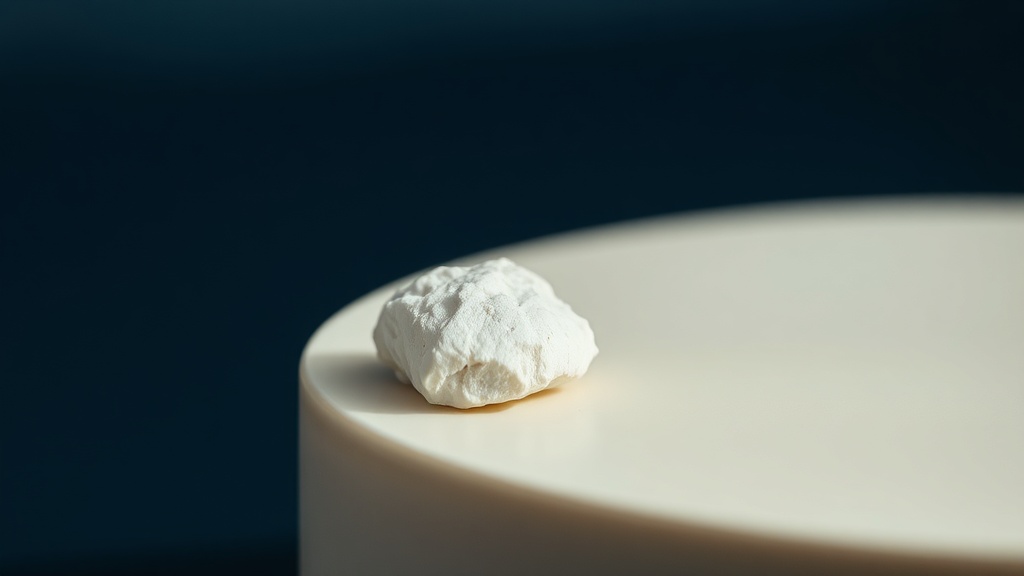
Out of the mouth, a typical stone is a small, pale, chalky pellet — usually only a few millimetres across.
Not every white mark on a tonsil is a stone. See a dentist or ENT if a pale patch is spreading, ulcerated or painful, if one tonsil is visibly larger than the other and stays that way, or if you have persistent difficulty swallowing, ongoing ear pain or any bleeding. A lasting one-sided change in a tonsil in particular should always be assessed in person, because appearance alone cannot rule out other causes — and the absence of a fever is not reassurance.
Frequently asked questions
Sources
- 1.
- 2.
- 3.
- 4.
- 5.
- 6.
- 7.
- 8.
- 9.
- 10.

Fix your breath at the source.
The complete science-backed protocol — engineered to eliminate volatile sulfur compounds at the biological source.
Start the Breath Protocol →Related reading
Educational purposes only. The content on this page is not medical advice and is not a substitute for consultation with a qualified dental or medical professional.
More from the library
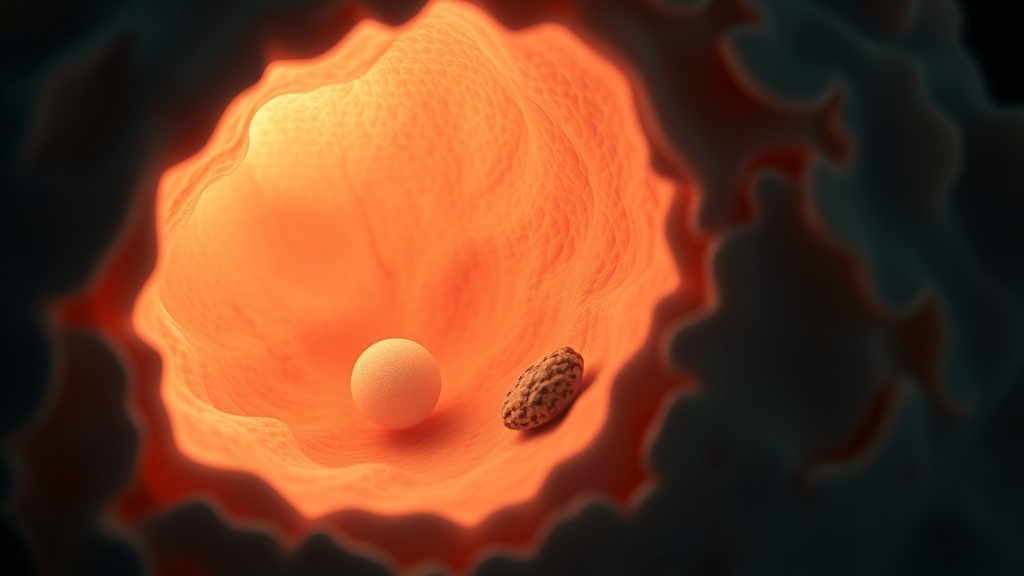 Causes8 min
How Do Tonsil Stones Form? The Biology, Honestly Explained
The unglamorous truth about what a tonsil stone is, how it builds up in the folds of your tonsils, and why the crypts that make them are simply part of your anatomy.
Read →→ Answers8 min
What Do Tonsil Stones Smell Like? The Science of the Odour
Why tonsil stones smell the way they do, which gases are responsible, and how to lower the odour without simply masking it.
Read →→ Guides9 min
How to Make Tonsil Stones Fall Out (Gently and Safely)
Why most tonsil stones fall out by themselves, and the gentle, low-pressure way to help one along without ever gouging at delicate tonsil tissue.
Read →→ Guides8 min
Cryptic Tonsils: What They Are and Why They Trap Stones
Some tonsils are simply built with deeper, more folded pockets — here is what cryptic really means, why those crypts collect stones and odour, and how to manage them without chasing a cure.
Read →→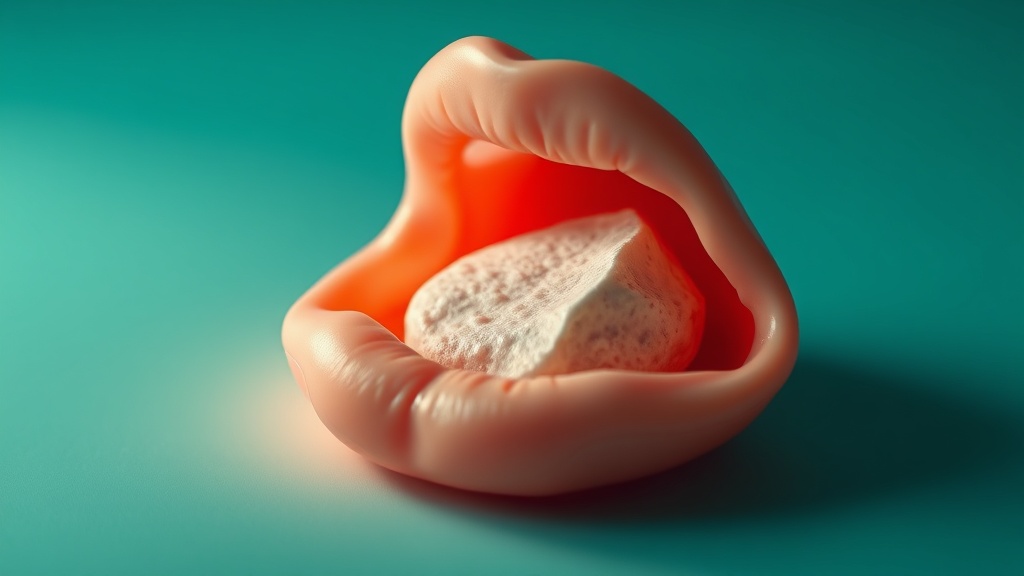 Answers8 min
Can Tonsil Stones Make You Sick? An Honest Look
A calm, honest look at whether tonsil stones can actually make you unwell, the local nuisances they do cause, and the red flags worth taking seriously.
Read →→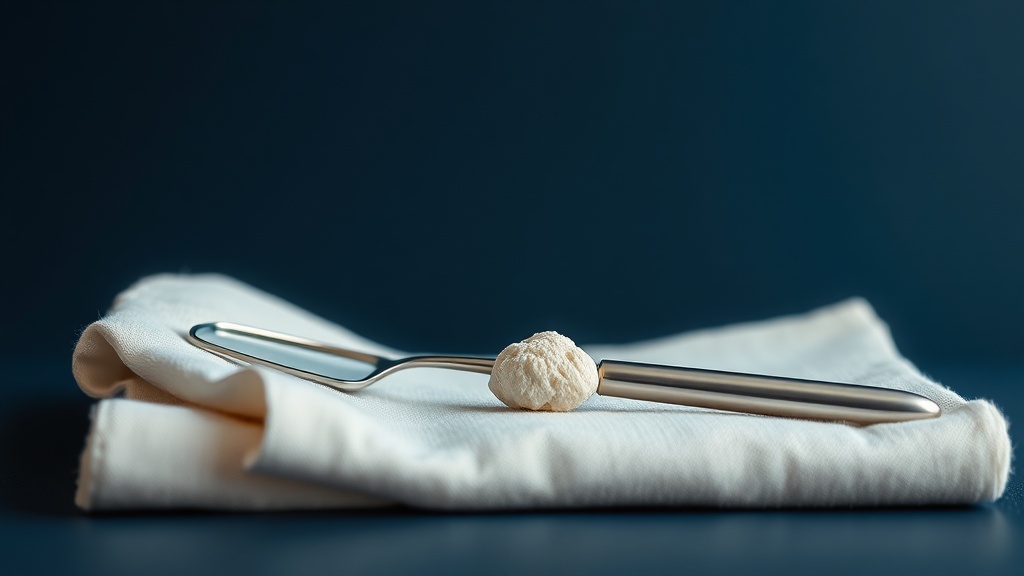 Answers8 min
Can a Dentist Remove Tonsil Stones? Your Professional Options
Who actually removes tonsil stones, the in-office options from simple expression to crypt reshaping, and how to know when a professional is worth it.
Read →→