
What Do Tonsil Stones Feel Like?
A plain-language guide to the foreign-body sensation and the other feelings people describe with tonsil stones — and which ones warrant a closer look.
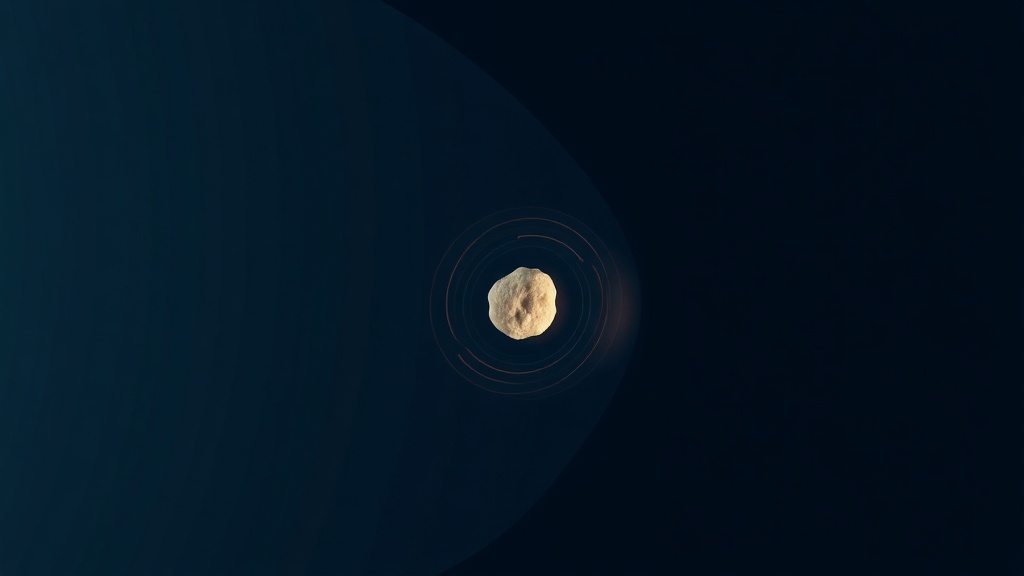
- The most common description is a foreign-body sensation — a nagging feeling that something small is caught at the back of the throat, usually on one side, that you cannot quite swallow away or cough up.
- Many tonsil stones cause no feeling at all. On imaging most are small and silent, and when sensations do occur they do not track with how large the stone is.
- Beyond the stuck feeling, people describe a scratchy tickle that sets off a dry cough, a mild catch when swallowing, a dull referred ache in the ear, and a sudden foul taste when a stone shifts or breaks up.
- Because tonsil stones move — most drift toward the throat opening over time — the sensation typically comes and goes rather than staying constant.
- A feeling is a clue, not a diagnosis: a sensation fixed in one spot that steadily worsens, or one tonsil that feels and looks persistently larger, deserves an in-person look rather than self-treatment.
Tonsil stones most often feel like a small foreign body caught at the back of the throat, usually on one side. People also describe a scratchy tickle that prompts a dry cough, a slight catch when swallowing, an occasional dull ear ache, and a foul taste when a stone dislodges. Many cause no sensation at all, and the strength of the feeling does not reflect the size of the stone.
The foreign-body sensation, explained
Ask people with tonsil stones to describe the feeling and the same phrase keeps coming back: it is as if something small is lodged at the back of the throat that will not swallow away or cough up. Clinicians call this a foreign-body or globus sensation, and it is the signature feeling of a tonsil stone. The reason is straightforward mechanics. A concretion sitting in a tonsil crypt presses against the surrounding tissue, which is dense with nerve endings, so the brain registers a persistent something-is-there signal even when the object is only a few millimetres across. In a case series describing the symptom pattern, this foreign-body sensation sat alongside an irritable cough, mild difficulty swallowing, ear ache and a foul taste — and, tellingly, the intensity of those feelings did not match the size of the stone. A tiny stone pressed against a sensitive spot can feel far more intrusive than a larger one resting quietly in a deeper pocket. That mismatch is exactly why the feeling is a poor guide to what is actually there, and why what you feel is best confirmed by what you can see or what a professional finds.
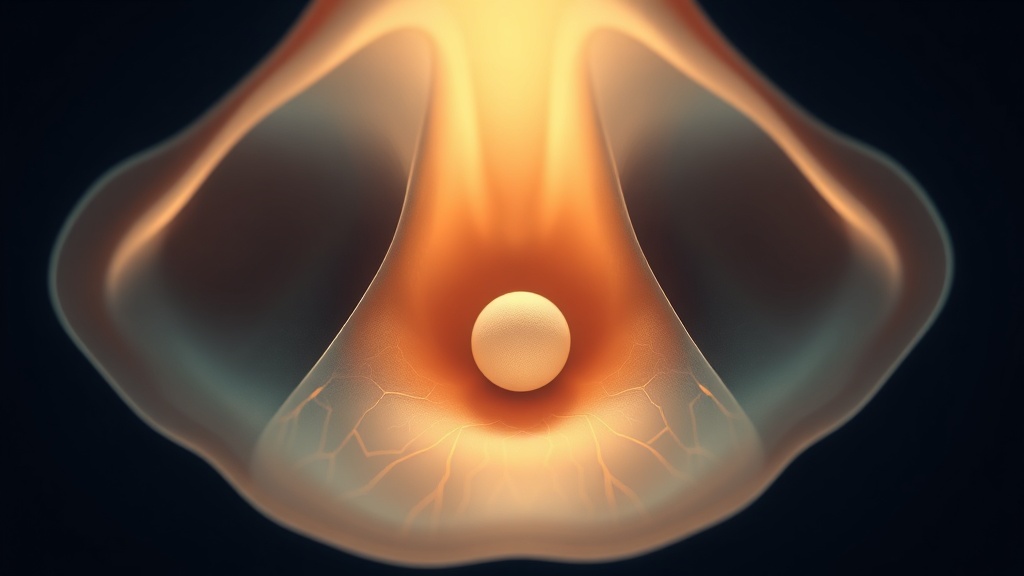
A stone only a few millimetres across can press on nerve-rich tissue, producing the classic feeling that something is stuck.
What the research actually shows
Every claim below maps to a named, peer-reviewed source in the Sources section. According to PubMed.
| Claim | Evidence | Source |
|---|---|---|
| The described feelings — foreign-body sensation, irritable cough, difficulty swallowing, ear ache and foul taste — form a recognised cluster, and their intensity does not match the size of the stone. | Case series describing the tonsillolith symptom pattern. | Crameri et al., 2016 |
| Most tonsil stones are small and cause no symptoms at all; they appear on roughly 30% of CT scans, averaging about 2.7 per person. | Largest CT prevalence series (n=3,886). | Kim et al., 2018 |
| A tonsil stone carried about a 10-fold higher chance of abnormal breath-sulfur readings — the source of the foul taste people notice when one shifts. | Halitometry study of chronic caseous-tonsillitis patients (n=49). | Dal Rio et al., 2007 |
| Tonsil stones move over time: on repeat scans 92% of those that shifted migrated toward the throat opening and 12.1% disappeared entirely — which is why the sensation waxes and wanes. | Follow-up CT of 326 scan pairs. | Yamashita et al., 2021 |
| A lasting one-sided enlargement is a different matter and should be assessed in person to rule out other causes. | Series on persistent unilateral tonsil enlargement. | Spinou et al., 2005 |
Making sense of each sensation
| What you feel | Typical tonsil-stone pattern | Worth ruling out |
|---|---|---|
| Something stuck on one side | A stone lodged in a crypt; usually comes and goes | Lasting one-sided fullness that never shifts |
| Scratchy tickle and dry cough | Irritation from a concretion near the surface | Post-nasal drip, reflux or allergy |
| A catch or awareness when swallowing | A stone the tongue meets mid-swallow | Ongoing genuinely painful swallowing |
| Dull ear ache with a healthy-looking ear | Referred sensation along shared throat and ear nerves | A true ear infection |
| Foul taste that appears then fades | A stone shifting or breaking up and releasing sulfur gases | Gum or tongue-coating odour sources |
Why the feeling comes and goes
One of the most confusing things about tonsil stones is that the sensation rarely stays put. It flares for a few days, fades, then returns weeks later — and that pattern has a physical explanation. Tonsil stones are not fixed fittings. On repeat imaging, most stones that move drift toward the throat opening, where they are eventually swallowed or coughed out, and a meaningful share disappear on their own. As a stone shifts position within its crypt it presses on different tissue, so the foreign-body feeling waxes and wanes along with it. The same movement explains the taste: when a stone loosens or fragments it releases the trapped sulfur gases behind that sudden foul flavour, and then the feeling settles until debris slowly builds again. It is also why the sensation is so often worst first thing in the morning, when saliva flow has been low overnight and the mouth is at its driest. None of this means the stone is getting worse. A changing feeling is simply a stone doing what stones do, which is move — and that movement is usually in the helpful direction, toward being cleared.
Evidence you can act on.
Occasional emails — new research, new protocols, no noise.
How to read what you are feeling
A sensation is a clue, not a verdict. These steps help you make sense of what you feel without harming the delicate tissue at the back of the throat. None of this treats a disease — it simply helps you clear loose debris and know when to get a professional opinion.
- 1
Locate and track the feeling
a few daysTonsil stones usually announce themselves on one side and shift over time. Note where the sensation sits and whether it comes and goes. A feeling that migrates or fades is typical; one that stays fixed in exactly the same place and steadily grows is the pattern worth mentioning to a professional.
- 2
Look before you touch
under a minuteWith good light, say ahh in front of a mirror and look for a small white or pale-yellow fleck tucked in the tonsil folds. Seeing one can confirm what you feel. Do not judge by feeling alone, because a small stone against a sensitive spot can feel much larger than it truly is.
- 3
Clear gently, never gouge
under a minuteA gentle, low-pressure water rinse aimed at the area can dislodge a loose stone and often settles the sensation. Keep the pressure low, since forceful jets can bruise or bleed the tissue. Never use a metal pick, a bobby pin or a fingernail to dig at the feeling.
- 4
Let movement do the work
days to weeksBecause most stones drift toward the throat opening and work loose on their own, a comes-and-goes feeling often resolves with no intervention at all. Sipping water through the day supports the saliva that helps carry debris away.
- 5
Know which feelings are not routine
ongoingA foreign-body feeling that steadily worsens, genuinely painful swallowing, or a lasting sense of fullness on one side are not the everyday tonsil-stone pattern and should be looked at in person rather than self-treated.

A gentle, low-pressure rinse can dislodge a loose stone and settle the foreign-body sensation it was causing.
Most tonsil-stone sensations are harmless and settle on their own. See a dentist or an ENT if the feeling steadily worsens, if swallowing becomes genuinely painful, if you have persistent ear pain, or if one tonsil feels and looks larger than the other and stays that way. A lasting one-sided fullness in particular should always be assessed in person, because a persistent asymmetry needs a professional to rule out other causes rather than being self-treated.
Frequently asked questions
Sources
- 1.
- 2.
- 3.
- 4.
- 5.
- 6.

Fix your breath at the source.
The complete science-backed protocol — engineered to eliminate volatile sulfur compounds at the biological source.
Start the Breath Protocol →Related reading
Educational purposes only. The content on this page is not medical advice and is not a substitute for consultation with a qualified dental or medical professional.
More from the library
 Guides8 min
Tonsil Stone Symptoms: The Full Picture (And When It's Something Else)
An honest, complete map of every tonsil-stone symptom — from the obvious to the surprising — plus the red flags that mean it's time to see a professional.
Read →→ Answers8 min
What Do Tonsil Stones Look Like? Colour, Size and Shape
A plain-English visual guide to what tonsil stones look like — colour, size, shape and texture — and how to tell one from stray food debris.
Read →→ Answers8 min
What Do Tonsil Stones Smell Like? The Science of the Odour
Why tonsil stones smell the way they do, which gases are responsible, and how to lower the odour without simply masking it.
Read →→ Answers8 min
Can Tonsil Stones Cause Bad Breath? What the Evidence Says
Why a small stone in the throat can create an outsized smell, and how to know if it is yours.
Read →→ Causes8 min
How Do Tonsil Stones Form? The Biology, Honestly Explained
The unglamorous truth about what a tonsil stone is, how it builds up in the folds of your tonsils, and why the crypts that make them are simply part of your anatomy.
Read →→ Answers8 min
Can Tonsil Stones Make You Sick? An Honest Look
A calm, honest look at whether tonsil stones can actually make you unwell, the local nuisances they do cause, and the red flags worth taking seriously.
Read →→