Are Tonsil Stones Soft?
Why tonsil stones range from soft and crumbly to hard and gritty, and what that texture reveals about how they formed.
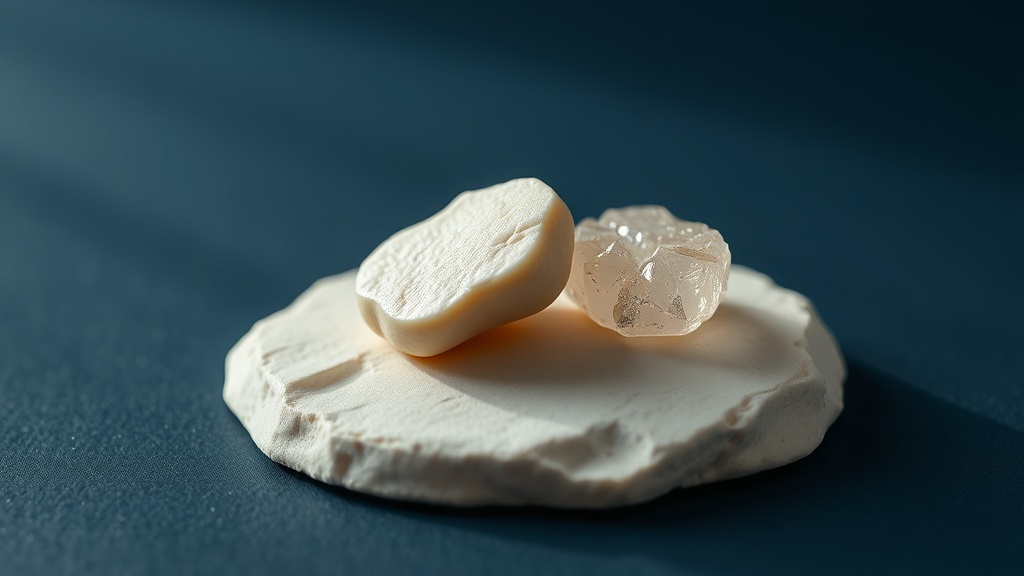
- Tonsil stones can be either soft or hard. Many start soft and putty-like, and some gradually harden into a firm, gritty concretion over time.
- The reason is that a tonsil stone begins as a living biofilm, soft debris and bacteria, that only slowly takes on calcium and mineralises, the same way plaque hardens into dental tartar.
- A soft stone is usually younger and mostly organic material; a hard one has been sitting long enough to calcify. Both produce the same sulfur odour.
- Texture has practical meaning: soft stones tend to dislodge easily with gentle rinsing, while harder, calcified ones can be more stubborn and should never be forced.
- Whether soft or hard, colour is usually white to yellowish, and neither texture signals danger. The difference is mostly about age and how easily they come loose.
Both, actually. Many tonsil stones are soft and putty-like, especially when young, because they begin as a biofilm of trapped debris and bacteria. Given time, that soft material slowly takes on calcium and hardens into a firmer, gritty stone, the same process that turns soft dental plaque into hard tartar. So texture mainly reflects how long a stone has been forming.
Why tonsil stones often start soft
A tonsil stone does not arrive as a hard pebble; it grows into one. It begins when everyday debris, dead cells, food particles, mucus and bacteria, collects in the deep pockets of the tonsils called crypts. At this early stage the material is soft, moist and loosely bound, closer to putty or curd than to stone. Researchers who examined tonsil stones under the microscope found they behave like a living biofilm, an organised, layered community of bacteria with its own internal chemistry, rather than an inert mineral. In fact, detailed ultrastructure studies describe tonsil stones as immature calcifications of mixed organic and inorganic material that, unlike salivary or dental stones, often lack the neat layers and central core of a fully formed mineral concretion. That is exactly what you would expect of something still soft and in progress. So when a stone crumbles between your fingers or smears rather than cracks, that is not unusual: you are simply looking at a younger stone, one that is still mostly the living, organic material it started as, before calcium has had the chance to set it.
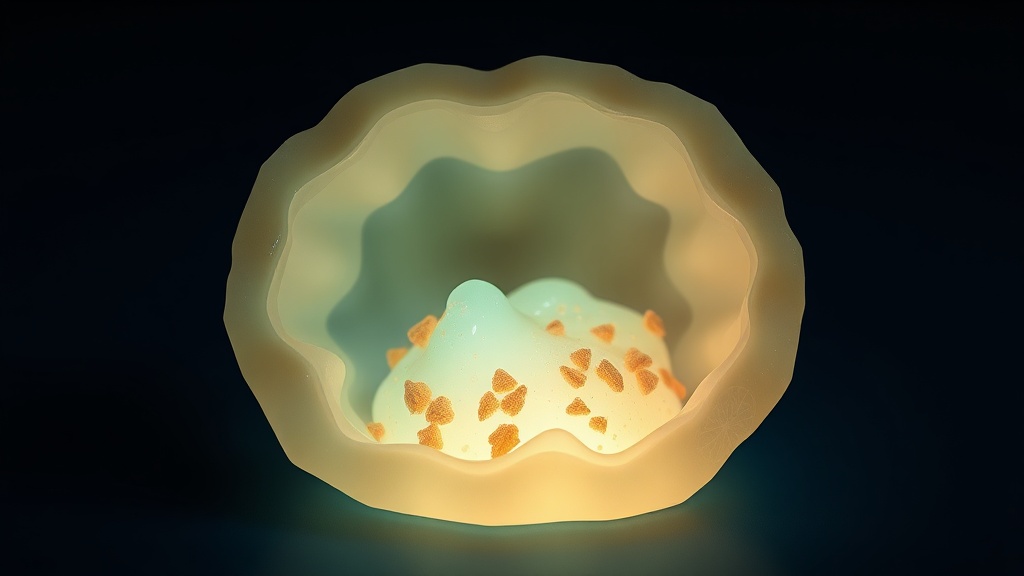
A tonsil stone begins as soft biofilm, trapped debris and bacteria, closer to putty than to stone.
What the research actually shows
Every claim below maps to a named, peer-reviewed source in the Sources section. According to PubMed.
| Claim | Evidence | Source |
|---|---|---|
| Under the microscope a tonsil stone behaves like a living biofilm, a soft, organised bacterial community, rather than an inert mineral pebble. | Confocal microscopy and microelectrode study of 16 adults. | Stoodley et al., 2009 |
| Tonsil stones are immature calcifications of mixed organic and inorganic material and, unlike dental stones, often lack distinct layers or a central core. | Ultrastructure comparison study (n=19). | Sodnom-Ish et al., 2024 |
| When a tonsil stone does fully mineralise, its hard phase has been identified as carbonate-substituted hydroxyapatite, the same family of mineral as bone and tooth. | Mineral analysis by infrared spectroscopy and X-ray diffraction. | Cerny et al., 1990 |
| The softening-to-hardening process mirrors dental calculus, which is literally calcified plaque, soft biofilm that slowly takes on mineral. | Review of dental calculus formation. | White, 1997 |
| Whatever the texture, the bacteria inside are sulfur-producing anaerobes, which is why both soft and hard stones can smell. | 16S rDNA analysis of tonsillolith specimens. | Tsuneishi et al., 2006 |
What the texture tells you
| Texture | What it usually tells you | How to handle it |
|---|---|---|
| Soft, putty-like or crumbly | A younger stone, still mostly organic biofilm | Usually dislodges with gentle low-pressure rinsing |
| Firm and cheesy | Partly calcified, somewhere in between | Gentle rinsing often works; never force it |
| Hard and gritty | An older stone that has mineralised over time | More stubborn; leave it or see a professional rather than digging |
| White to pale yellow (any texture) | Normal debris and bacteria, regardless of firmness | Reassuring colour; texture, not colour, reflects age |
Why some tonsil stones harden
If stones start soft, why are some rock-hard? The answer is time and chemistry. The mouth is bathed in saliva that is rich in calcium and phosphate, and a biofilm sitting undisturbed in a crypt slowly draws those minerals in and locks them into its structure. The best-understood model for this is dental tartar: dental calculus is simply plaque that has calcified, soft biofilm that took on mineral until it set hard. Tonsil stones appear to follow the same path. When a fully hardened tonsil stone has been analysed, its mineral was identified as carbonate-substituted hydroxyapatite, the same broad family of mineral found in bone and tooth enamel. The longer a stone is left in place, the more opportunity it has to mineralise, which is why older, long-standing stones tend to be the gritty, stubborn ones while recently formed stones are still soft. This is also the practical case for not letting debris sit: a soft, young stone flushes out far more easily than one that has had months to calcify. Clearing gently and regularly keeps stones in that softer, easier-to-remove phase rather than letting them set.
Evidence you can act on.
Occasional emails — new research, new protocols, no noise.
Working with the texture, not against it
Whether a stone is soft or hard changes how easily it comes loose, but the safe approach is the same gentle one either way. None of this treats a disease; it simply helps debris clear before it hardens.
- 1
Flush soft stones gently while they are easy
under a minute dailySoft, young stones dislodge readily with a low-pressure water rinse aimed at the tonsil area, no force needed. Clearing them early, before calcium sets in, is the whole point: a single irrigation cycle also lowers the sulfur gases behind the odour.
- 2
Never force a hard, stubborn stone
If a stone feels firmly wedged and hard, do not escalate to picks, pins or fingernails. Calcified stones are more stubborn, and the tonsil bed bleeds and bruises easily. A stone that will not release gently is one to leave alone or have removed professionally.
- 3
Keep debris from sitting long enough to harden
dailyBecause hardening takes time, the best way to avoid gritty stones is to not let material accumulate. Light daily rinsing plus good overall hygiene keeps any forming stone in its soft, easily cleared phase rather than allowing it to mineralise.
- 4
Protect your saliva
all dayA dry mouth lets debris and bacteria settle and concentrate. Sipping water through the day, easing off excess coffee and alcohol, and breathing through your nose all help keep the crypts flushed and the material soft.
- 5
Judge by behaviour, not by looks
as neededDo not decide how troublesome a stone is by its colour or size, a soft one can smell as strongly as a hard one, and a small one can nag. If a stone is hard, growing, or paired with a lasting one-sided lump, that is the moment for a professional rather than more home effort.
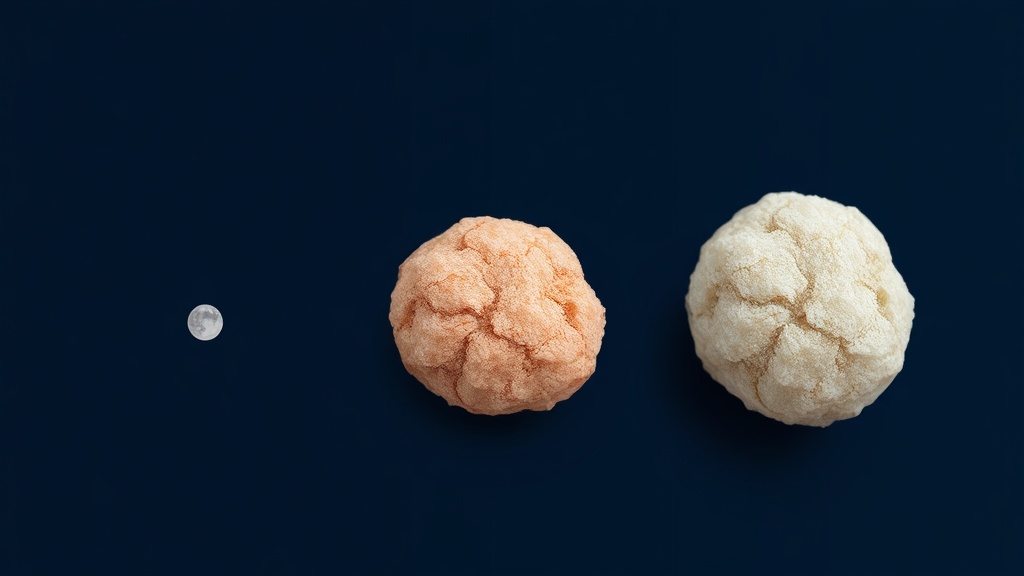
Given time, soft biofilm draws in minerals and calcifies, the same way soft dental plaque hardens into tartar.
Soft or hard, most tonsil stones are safe to manage gently at home. See a dentist or ENT if a stone is too hard or large to come loose without force, if one tonsil stays visibly larger than the other, or if you have persistent pain, difficulty swallowing, or bleeding. A hard stone is not more dangerous than a soft one, but forcing it out is riskier than letting a professional help.
Frequently asked questions
Sources
- 1.
- 2.
- 3.
- 4.
- 5.
- 6.
- 7.

Fix your breath at the source.
The complete science-backed protocol — engineered to eliminate volatile sulfur compounds at the biological source.
Start the Breath Protocol →Related reading
Educational purposes only. The content on this page is not medical advice and is not a substitute for consultation with a qualified dental or medical professional.
More from the library
 Answers8 min
What Are Tonsil Stones Made Of? The Real Composition, Explained
A look at what tonsil stones are actually built from: the debris, the biofilm, and the slow calcification, grounded in what the research shows.
Read →→ Causes8 min
How Do Tonsil Stones Form? The Biology, Honestly Explained
The unglamorous truth about what a tonsil stone is, how it builds up in the folds of your tonsils, and why the crypts that make them are simply part of your anatomy.
Read →→ Answers8 min
What Do Tonsil Stones Look Like? Colour, Size and Shape
A plain-English visual guide to what tonsil stones look like — colour, size, shape and texture — and how to tell one from stray food debris.
Read →→ Guides8 min
What Are Tonsil Stones? The Complete, Honest Guide
A plain-English, evidence-based look at what tonsil stones really are — and why they are far more common, and far less alarming, than they look.
Read →→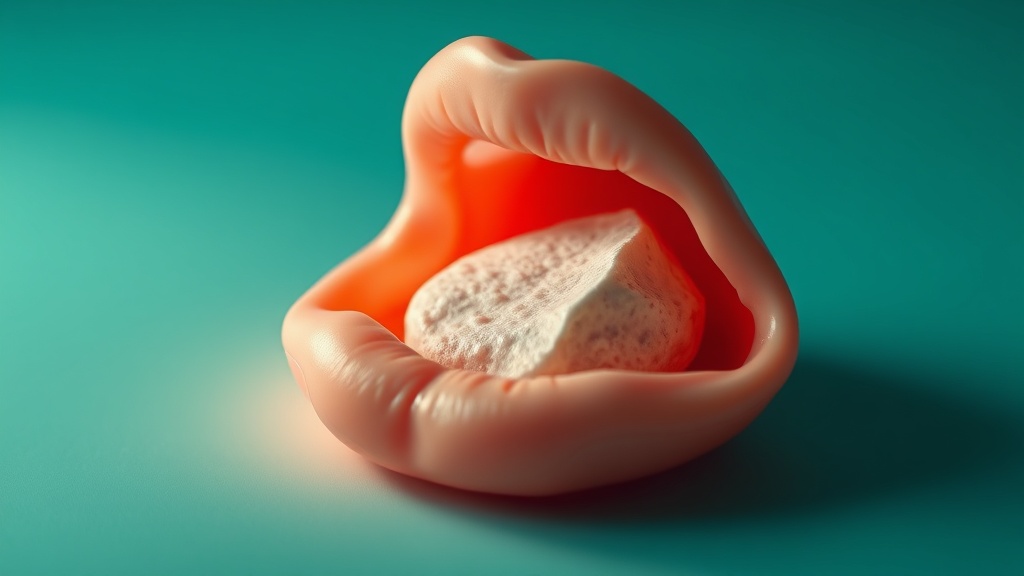 Answers8 min
Can Tonsil Stones Make You Sick? An Honest Look
A calm, honest look at whether tonsil stones can actually make you unwell, the local nuisances they do cause, and the red flags worth taking seriously.
Read →→ Answers8 min
Can a Dentist Remove Tonsil Stones? Your Professional Options
Who actually removes tonsil stones, the in-office options from simple expression to crypt reshaping, and how to know when a professional is worth it.
Read →→