How to Know If You Have Tonsil Stones
A practical, honest self-check for tonsil stones: the three signs to combine, how to tell them from look-alikes, and where the limits of self-assessment lie.
- There is no single home test — knowing usually means combining three clues: something you can see, something you can feel, and a distinctive odour or taste that ordinary brushing and mouthwash do not fix.
- The clearest sign is a visible white or pale-yellow fleck tucked into the folds of a tonsil, seen with good light in a mirror; but many stones hide in deeper crypts or below the surface and are missed even on standard dental views.
- Many tonsil stones cause nothing at all — most are small and silent — so being unable to find one does not prove you are free of them.
- Telling them apart from other causes matters: post-nasal drip, reflux, allergies and gum or tongue odour can mimic the same signs, and only part of the picture is truly tonsillar.
- A self-check has limits by design. One tonsil that stays visibly larger than the other, worsening pain on swallowing, or bleeding are reasons to stop self-assessing and see a professional.
You can usually tell you have tonsil stones by combining three signs: a visible white or pale-yellow fleck in the tonsil folds, a foreign-body feeling that something is stuck, and a foul taste or breath that ordinary brushing and mouthwash do not clear. Because many stones are small and silent, a clear self-check never fully rules them out.
The three signs that point to tonsil stones
Knowing whether you have tonsil stones is rarely about one dramatic sign — it is about a combination. The first is visual: with good light and a mirror, tonsil stones show up as small white or pale-yellow flecks nestled in the pockets, or crypts, on the surface of the tonsils. The second is the feeling — a foreign-body sensation that something small is lodged at the back of the throat, often on one side, that will not swallow away. The third is chemical: a distinctive foul taste, or a breath odour that ordinary brushing and mouthwash never quite fix. That last sign is more telling than it sounds. In one study, a month of tongue scraping plus a zinc rinse clearly reduced general mouth odour but barely touched the odour coming from the tonsils, because a toothbrush and a rinse simply cannot reach inside a crypt. So a breath problem that survives good oral hygiene points toward a tonsillar source. On their own, any one of these clues is weak; together they make a confident picture. When two or three line up — you can see a fleck, you feel the stuck sensation, and the smell resists your usual routine — tonsil stones are very likely the explanation.
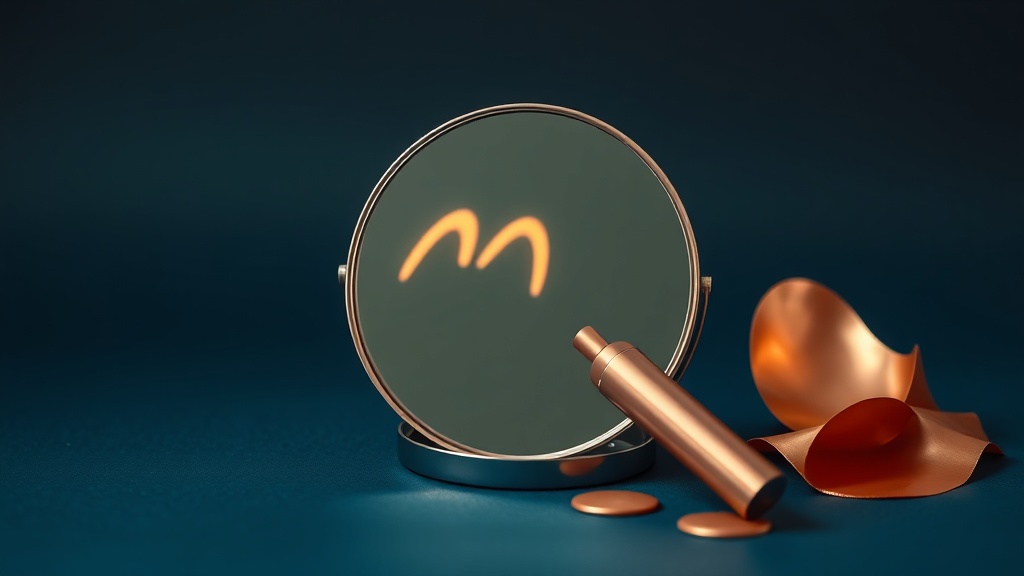
Good light and a mirror turn a vague suspicion into a visible clue: a pale fleck sitting in a tonsil crypt.
What the research actually shows
Every claim below maps to a named, peer-reviewed source in the Sources section. According to PubMed.
| Claim | Evidence | Source |
|---|---|---|
| The signs to recognise — foreign-body sensation, foul taste, irritable cough and ear ache — form a known cluster, though many people have no symptoms at all. | Case series describing the tonsillolith symptom pattern. | Crameri et al., 2016 |
| Most tonsil stones are small and silent, appearing on roughly 30% of CT scans — so a self-check can easily miss them. | Largest CT prevalence series (n=3,886). | Kim et al., 2018 |
| Many stones are simply out of view: CT found tonsil stones in about 41% of people, while ordinary panoramic dental films detected only about 13% of the same group. | Paired CT and panoramic imaging in 2,244 people. | Takahashi et al., 2017 |
| A breath odour that ordinary hygiene does not clear points to a tonsillar source: tongue scraping and a zinc rinse cut general mouth odour but left tonsil odour largely unchanged. | One-month oral-hygiene odour study. | Talebian et al., 2008 |
| A persistently enlarged single tonsil is the key sign to have assessed in person rather than self-diagnosed. | Series on persistent unilateral tonsil enlargement. | Spinou et al., 2005 |
Tonsil stones, or something else?
| The sign | Points toward tonsil stones when | More likely another cause when |
|---|---|---|
| A foul taste or bad breath | It resists thorough brushing, flossing and mouthwash | It clears with good oral hygiene (a gum or tongue source) |
| A stuck feeling in the throat | It is one-sided and comes and goes | It is central, constant and steadily worsening |
| A visible white spot | It sits in a tonsil crypt and can be gently dislodged | It is a fixed patch, sore, or spreading |
| A scratchy cough | It eases after a stone is cleared | It comes with a runny nose, heartburn or itch |
| Swelling of a tonsil | Both tonsils look similar and settle | One stays persistently larger than the other |
Why a clear self-check can still miss them
A reassuring self-check is not the same as a clean bill. Tonsil stones are far more common than most people realise — they turn up on roughly a third of CT scans — and the great majority are small and cause no symptoms at all. Many sit in deeper or more branched crypts, or just below the surface, where no amount of mirror-gazing will reveal them. The imaging literature makes the point starkly: in one large study, CT scans found tonsil stones in about 41% of people, while ordinary panoramic dental films picked up only about 13% of the same group. If a detailed dental view misses most of them, a bathroom mirror will miss more. The practical takeaway is not to worry but to hold your conclusion loosely. If you have the feeling and the odour but cannot see anything, tonsil stones are still a reasonable explanation — the stone may simply be out of view. And if you find nothing and feel nothing, that is genuinely good news, but it is not proof of complete absence. It is also why the same signs deserve a second reading: the feelings that suggest tonsil stones can equally come from post-nasal drip, reflux or allergies, so ruling those in or out is part of knowing.
Evidence you can act on.
Occasional emails — new research, new protocols, no noise.
A simple self-check, step by step
None of this diagnoses a disease or replaces a professional exam — it is a gentle way to gather the visual, physical and odour clues that together tell you whether tonsil stones are likely.
- 1
Get the light and angle right
under a minuteStand in front of a mirror in bright light, or use a small torch. Open wide, say ahh to flatten the tongue, and look at the two arch-shaped tonsils at the back on either side. You are scanning the folds for anything pale.
- 2
Look for the tell-tale flecks
about a minuteTonsil stones appear as small white, cream or pale-yellow specks sitting in the crypts. Some are flush with the surface, others peek out. Finding one is the single most confirming sign; not finding one does not rule them out.
- 3
Check the feeling and the side
ongoingNotice whether you have that foreign-body sensation, whether it favours one side, and whether it comes and goes. This physical clue supports what you see and helps separate a stone from a passing sore throat.
- 4
Run the odour cross-check
over a few daysAsk whether a foul taste or breath persists despite thorough brushing, flossing, tongue cleaning and mouthwash. Odour that survives good hygiene points to a tonsillar source rather than the gums or tongue.
- 5
Rule out the look-alikes
as neededPost-nasal drip, reflux and allergies can copy the same feelings, and gum or tongue coating can copy the smell. If the clues do not line up, or nothing you try settles them, that is a reason to see a professional rather than keep guessing.
Knowing usually means combining three clues: what you can see, what you feel, and an odour that ordinary hygiene does not clear.
A self-check is a starting point, not a substitute for care. See a dentist or an ENT if one tonsil is visibly larger than the other and stays that way, if swallowing becomes genuinely painful, if you have a high fever or severe one-sided throat pain, or if there is any bleeding. Persistent one-sided enlargement in particular should always be assessed in person, because a lasting asymmetry needs a professional to rule out other causes rather than being self-treated.
Frequently asked questions
Sources
- 1.
- 2.
- 3.
- 4.
- 5.
- 6.

Fix your breath at the source.
The complete science-backed protocol — engineered to eliminate volatile sulfur compounds at the biological source.
Start the Breath Protocol →Related reading
Educational purposes only. The content on this page is not medical advice and is not a substitute for consultation with a qualified dental or medical professional.
More from the library
 Guides8 min
Tonsil Stone Symptoms: The Full Picture (And When It's Something Else)
An honest, complete map of every tonsil-stone symptom — from the obvious to the surprising — plus the red flags that mean it's time to see a professional.
Read →→ Answers8 min
What Do Tonsil Stones Look Like? Colour, Size and Shape
A plain-English visual guide to what tonsil stones look like — colour, size, shape and texture — and how to tell one from stray food debris.
Read →→ Answers8 min
What Do Tonsil Stones Smell Like? The Science of the Odour
Why tonsil stones smell the way they do, which gases are responsible, and how to lower the odour without simply masking it.
Read →→ Answers9 min
Are Tonsil Stones Normal? The Honest, Reassuring Answer
Why tonsil stones are one of the most common things people are quietly embarrassed about - and how to tell an ordinary stone from the rare sign worth checking.
Read →→ Causes8 min
How Do Tonsil Stones Form? The Biology, Honestly Explained
The unglamorous truth about what a tonsil stone is, how it builds up in the folds of your tonsils, and why the crypts that make them are simply part of your anatomy.
Read →→ Answers8 min
Can Tonsil Stones Make You Sick? An Honest Look
A calm, honest look at whether tonsil stones can actually make you unwell, the local nuisances they do cause, and the red flags worth taking seriously.
Read →→