
How Long Do Tonsil Stones Last?
A tonsil stone lasts only as long as the trapped debris stays put — here is the honest natural history, from days-long stones to ones that linger for years.
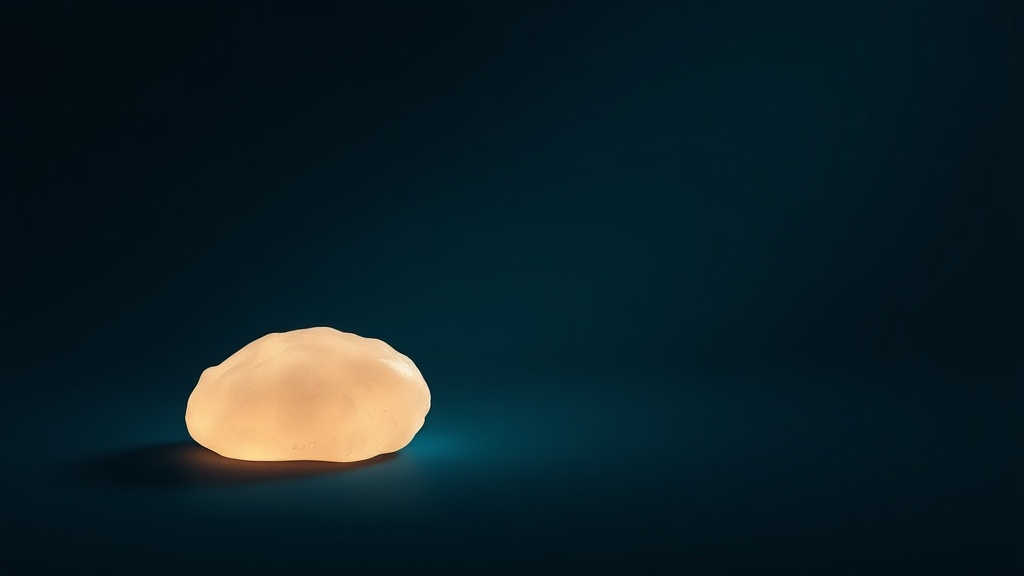
- A tonsil stone has no fixed expiry date — it lasts as long as the debris and bacteria stay lodged in the crypt, so the timescale ranges from days to years.
- Most are short-lived: they work loose and are swallowed or coughed out, often unnoticed. On follow-up scans, about 12.1% disappeared entirely.
- Of the stones that move, 92% drift toward the throat opening — the body tends to expel them rather than hold them.
- Left undisturbed, a stone can slowly enlarge — around 0.6 mm a year — and harden as its biofilm gradually takes on calcium, which is why a light, regular clearing habit shortens their stay.
- Recurrence is not one stone lasting forever: deep crypts simply refill, so getting a new stone in the same spot is normal rather than a sign something is wrong.
There is no set lifespan. A tonsil stone lasts only as long as the trapped debris stays in the crypt: many work loose within days to weeks and are swallowed, and on repeat scans about 12% vanish on their own while most that move drift toward the throat to be expelled. Undisturbed ones can slowly enlarge over months to years.
There is no fixed expiry date
A tonsil stone is not a fixed object with a countdown timer — it is trapped debris, and it lasts exactly as long as that debris sits undisturbed in the crypt. In the beginning it is soft: dead cells, mucus and food particles colonised by bacteria into what researchers describe as a living biofilm rather than an inert pebble. That soft mass is easy to dislodge, which is why so many stones simply work loose within days or weeks and are swallowed without you ever noticing. The clock only lengthens when a stone is left alone. Over months, the biofilm slowly takes on calcium and hardens — the same way soft dental plaque gradually turns into hard calculus — and undisturbed stones creep upward in size by roughly half a millimetre a year. So the real answer to how long depends less on the stone and more on what happens to it: cleared early, it is gone in days; ignored in a deep crypt, it can linger and harden for years.
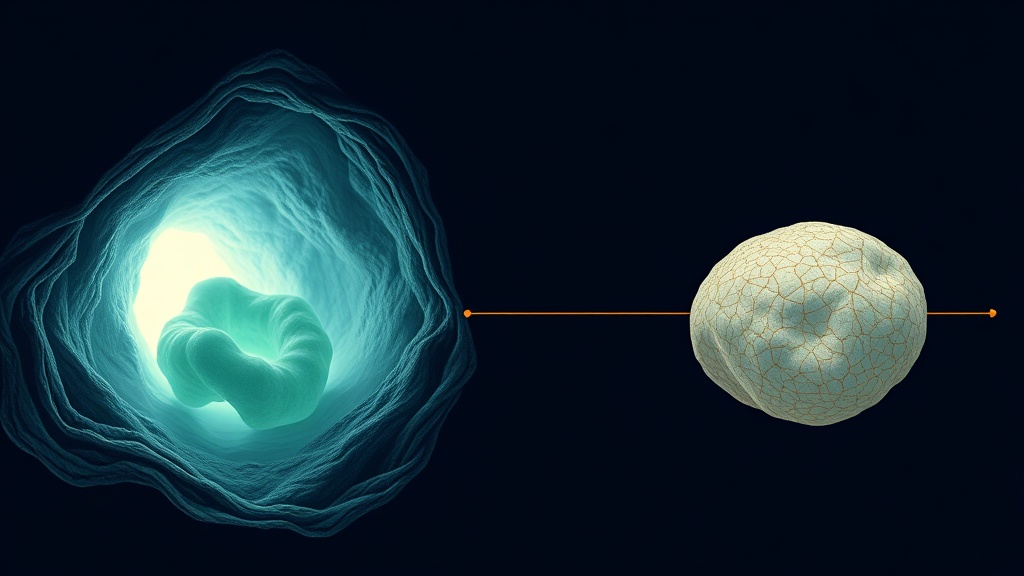
A stone's lifespan forks early: dislodged soft, it is gone in days; left alone, it slowly enlarges and hardens over months to years.
What the research actually shows
Every claim below maps to a named, peer-reviewed source in the Sources section. According to PubMed.
| Claim | Evidence | Source |
|---|---|---|
| On follow-up CT, 12.1% of tonsil stones disappeared entirely; of those that moved, 92% migrated toward the throat opening, 26.1% changed size (mostly enlarging, ~0.61 mm/yr), and calcification density rose in 84.3%. | Serial CT of 326 scan pairs. | Yamashita et al., 2021 |
| Small tonsil stones are common and are managed expectantly; most pass on their own and surgery is rarely required. | Am Fam Physician clinical review. | Smith et al., 2023 |
| A tonsil stone begins as a living biofilm, not an inert stone — feeding it sugar dropped its internal pH from 7.3 to 5.8 and its core was nearly oxygen-free — and only slowly takes on calcium. | Confocal microscopy and microelectrode study of 16 adults. | Stoodley et al., 2009 |
| Hardening follows the dental-calculus template: soft biofilm gradually calcifies over time — calculus is essentially calcified plaque. | Review of calculus formation and control. | White, 1997 |
| A single water-irrigation cycle significantly lowered volatile sulfur gases and removed plaque — gentle flushing can clear debris before a stone matures. | Independent trial, n=20. | Karm et al., 2025 |
How long a stone lasts depends on what happens to it
| What happens to the stone | Rough timescale | What it means for you |
|---|---|---|
| It works loose and self-expels | Days to weeks | The most common ending — you swallow or cough it out, often without noticing |
| You clear it with gentle rinsing | Whenever you choose | Flushing debris early stops a soft stone from maturing |
| It sits and slowly enlarges | Months to years | Undisturbed stones grow about 0.6 mm a year and harden — the case for a light routine |
| It stays put in a deep crypt | Indefinitely until cleared | Deeper crypts hold material longer; a new stone in the same spot is normal |
Why some seem to last forever
If it feels like your tonsil stones never end, it is usually not one immortal stone — it is a conveyor belt. The shape of your crypts is fixed, and a deep or branched crypt keeps catching fresh debris as fast as the old stone leaves. Add a steady supply line, such as post-nasal drip feeding mucus down onto the tonsils, and material is replenished continuously, so a cleared crypt refills and a new stone appears in the familiar spot. That is why people describe stones lasting years: what actually persists is the tendency, not the individual stone. This distinction matters because it reframes the goal. You are not waiting for a single stone to finally dissolve; you are keeping an ongoing balance tilted toward clearance. A stone that is gently flushed while still soft never gets the months of undisturbed time it would need to harden and settle in — so the practical lever is frequency of clearing, not force.
Evidence you can act on.
Occasional emails — new research, new protocols, no noise.
How to move a stone toward its natural exit
You cannot set a stone's expiry date, but you can nudge it toward the throat before it hardens. None of this treats a disease — it simply keeps the crypt from holding debris long enough to mature.
- 1
Flush gently and often
under a minute dailyA low-pressure water rinse aimed at the tonsil area helps loosen a soft stone while it is still easy to move, and a single irrigation cycle has been shown to lower the sulfur gases behind the smell. Keep the pressure low — forceful jets can bruise or bleed the tissue.
- 2
Keep saliva flowing
all daySaliva is the mouth's built-in rinse, and a dry mouth lets debris sit and accumulate. Sip water through the day, especially after coffee or alcohol, and breathe through your nose where you can so the crypts stay bathed rather than parched.
- 3
Settle any post-nasal drip
as neededA constant drip of mucus is a major resupply line for crypt debris. Managing allergies or sinus congestion at the source reduces what lands in the tonsils, so stones have less raw material and a shorter life.
- 4
Give it time — and do not gouge
patienceMost stones that move drift toward the throat and are expelled on their own. If one will not release with gentle rinsing, leave it rather than digging with a pick or fingernail, which risks puncturing the tissue, bleeding and infection.
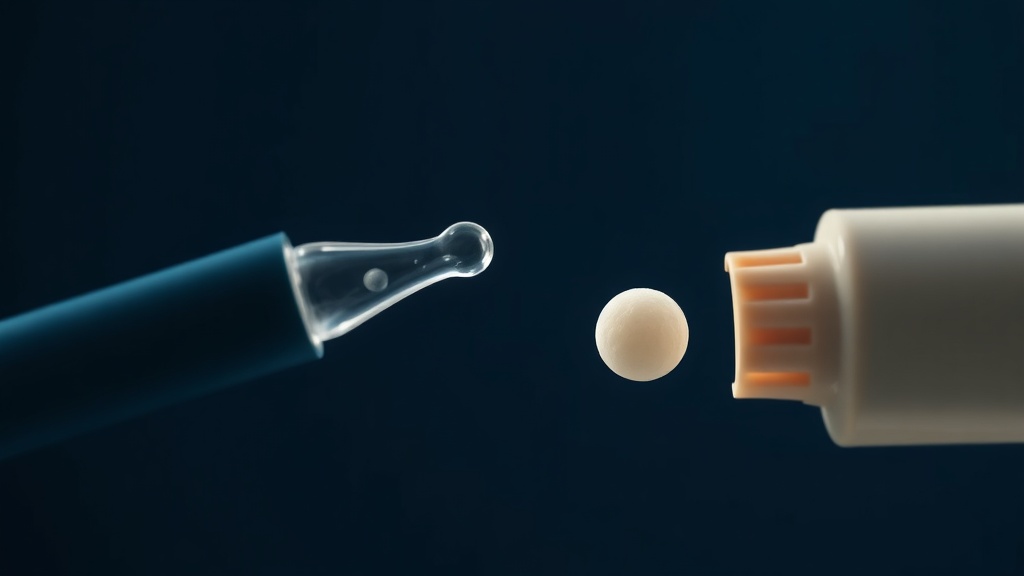
Cleared while still soft, a stone never gets the undisturbed months it would need to harden and settle in.
A stone that lingers is rarely a worry on its own, but book an in-person assessment if one tonsil stays visibly larger than the other and does not settle, if you have repeated throat infections, ongoing pain or difficulty swallowing, persistent ear pain, or any bleeding. A lasting one-sided enlargement in particular should always be checked by an ENT rather than self-managed, because a persistent asymmetry is something a professional should rule out.
Frequently asked questions
Sources
- 1.
- 2.
- 3.
- 4.
- 5.
- 6.
- 7.

Fix your breath at the source.
The complete science-backed protocol — engineered to eliminate volatile sulfur compounds at the biological source.
Start the Breath Protocol →Related reading
Educational purposes only. The content on this page is not medical advice and is not a substitute for consultation with a qualified dental or medical professional.
More from the library
 Answers8 min
Do Tonsil Stones Go Away on Their Own? What the Imaging Shows
The reassuring, evidence-based answer to whether tonsil stones resolve by themselves, drawn from studies that scanned the same people twice.
Read →→ Causes8 min
How Do Tonsil Stones Form? The Biology, Honestly Explained
The unglamorous truth about what a tonsil stone is, how it builds up in the folds of your tonsils, and why the crypts that make them are simply part of your anatomy.
Read →→ Causes9 min
Why Do I Keep Getting Tonsil Stones? The Recurrence Truth
The unglamorous reason tonsil stones keep coming back is the fixed shape of your crypts - here is what actually drives recurrence and how to tilt the balance.
Read →→ Guides8 min
Chronic Tonsil Stones: Why They Keep Coming Back
Recurring tonsil stones are driven by anatomy you cannot change — so the honest goal is steady control, not a one-time cure.
Read →→ Answers8 min
Can Tonsil Stones Make You Sick? An Honest Look
A calm, honest look at whether tonsil stones can actually make you unwell, the local nuisances they do cause, and the red flags worth taking seriously.
Read →→ Answers8 min
Can a Dentist Remove Tonsil Stones? Your Professional Options
Who actually removes tonsil stones, the in-office options from simple expression to crypt reshaping, and how to know when a professional is worth it.
Read →→