Do Tonsil Stones Hurt?
Why most tonsil stones cause no pain at all, the few times they do, and the discomfort that is worth having checked.
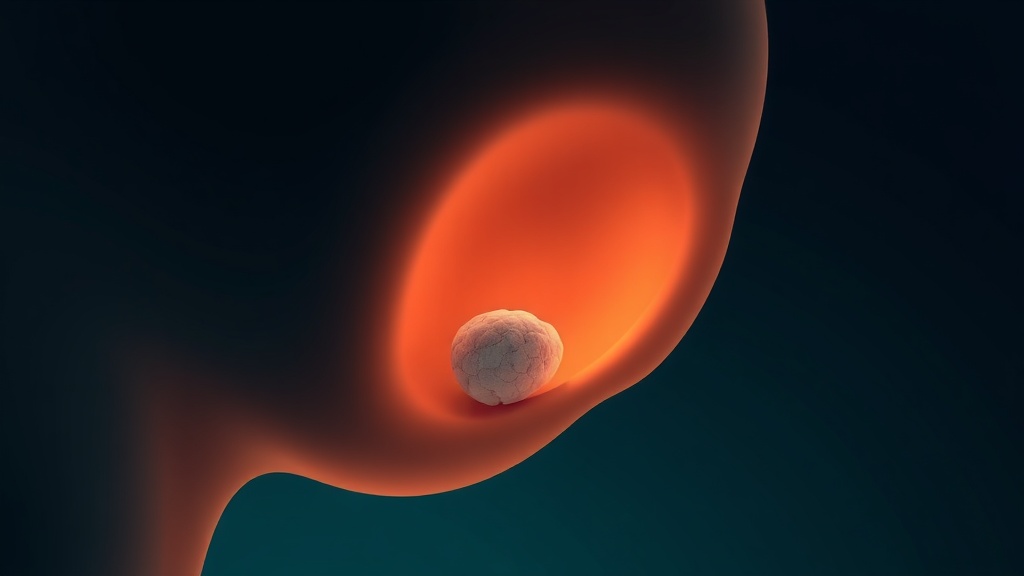
- Most tonsil stones do not hurt at all. They are usually small, sit quietly in the tonsil pockets, and are often found by accident rather than by pain.
- When they do cause discomfort, it is typically mild: a scratchy foreign-body sensation, an irritable tickle or cough, or a little tightness when swallowing.
- Tonsil stones can occasionally refer a dull ache to the ear, because the throat and ear share nerve pathways. This is usually harmless but understandably alarming.
- Discomfort is not related to how big a stone looks. A tiny one lodged in a sensitive spot can nag more than a larger one sitting loosely.
- Genuine, one-sided, worsening pain, especially with a lasting lump on one side, is the exception that should be assessed in person rather than self-treated.
Usually not. The large majority of tonsil stones are small and completely painless, and many people never feel them. When discomfort does appear it is normally mild, a foreign-body tickle, an irritable cough or slight difficulty swallowing, and sometimes a referred ache in the ear. Severe or one-sided pain is uncommon and worth a professional look.
Why most tonsil stones never hurt
Your tonsils are covered in deep folds called crypts, and a tonsil stone is simply debris and bacteria that have settled into one of them and slowly organised into a firm little cluster. The reason most cause no pain is a matter of size and location. On imaging, the large majority of tonsil stones are only a few millimetres across, and a small object resting inside a natural pocket puts almost no pressure on the surrounding tissue. Just as importantly, a tonsil stone is not a sharp foreign body but a soft, living biofilm, an organised community of bacteria with its own internal chemistry, that sits against the crypt wall rather than digging into it. Because the stone is not stretching, inflaming or compressing anything, the nerves in the area have little reason to fire. That is why so many tonsil stones are found by chance, spotted in a mirror or coughed up unexpectedly, rather than announced by discomfort. If anything, the odour they produce is usually what draws attention long before any feeling does.
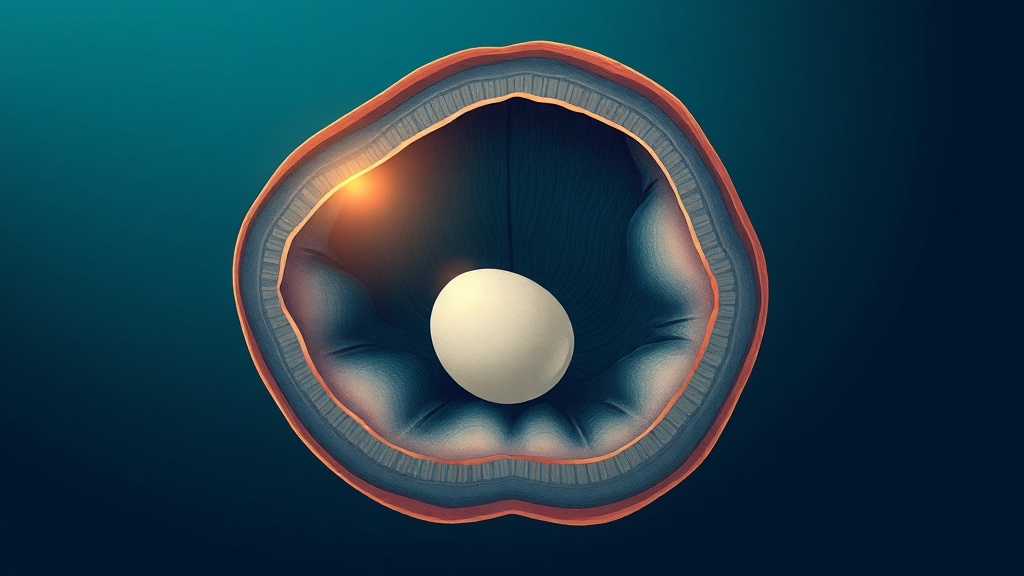
Most tonsil stones are small and rest loosely in the crypt, which is why they so often cause no pain at all.
What the research actually shows
Every claim below maps to a named, peer-reviewed source in the Sources section. According to PubMed.
| Claim | Evidence | Source |
|---|---|---|
| Most tonsil stones are small. In a large head and neck CT study the great majority measured three millimetres or less, part of why they so often go unnoticed. | Head and neck CT series (n=2,710); 86.7% were 3 mm or smaller. | Yu et al., 2017 |
| Tonsil stones appear on roughly 30% of CT scans and average about 2.7 per person, yet most cause no symptoms at all. | Largest CT prevalence series (n=3,886). | Kim et al., 2018 |
| When symptoms do occur they include a foreign-body sensation, irritable cough, difficulty swallowing and referred ear pain, and they are unrelated to how large the stone is. | Clinical review of tonsillolith symptoms. | Crameri et al., 2016 |
| Tonsil stones tend to work themselves loose: on repeat scans 92% of those that moved travelled toward the throat opening and about 1 in 8 disappeared entirely. | Follow-up CT of 326 scan pairs. | Yamashita et al., 2021 |
| Lasting enlargement of one tonsil should be examined in person: in a surgical series of one-sided enlargement, nearly a quarter had a cause other than a simple stone. | Surgical series of unilateral tonsillar enlargement. | Spinou et al., 2005 |
What you might feel, and whether it matters
| What you might feel | Why it happens | Usually a concern? |
|---|---|---|
| Nothing at all | The stone is small and sits loosely in the crypt | No, this is the most common experience |
| A scratchy, foreign-body tickle | The stone brushes the sensitive crypt lining | No, usually eases as it works loose |
| A dull ache in the ear | The throat and ear share nerve pathways, so throat irritation can be felt in the ear | Usually no, but persistent ear pain is worth checking |
| Slight discomfort swallowing | A larger stone or local irritation near the swallowing muscles | Rarely, but see below if it lasts or is one-sided |
| Sharp or worsening one-sided pain | Inflammation, a secondary infection, or an injury from digging at it | Yes, have this assessed in person |
When and why a tonsil stone can hurt
Tonsil stones can become uncomfortable, and there are a few honest reasons why. The first is simply size and pressure: a larger stone, or one wedged into a tight, sensitive part of a crypt, can stretch and irritate the lining enough to produce a persistent foreign-body feeling or a nagging urge to cough. The second is referred pain. The throat and the ear share nerve supply, so irritation at the tonsil is sometimes felt as a dull ache in the ear on the same side, unsettling but usually harmless. The third is inflammation: if the surrounding tissue becomes red and swollen, or a crypt becomes secondarily irritated, the area can genuinely ache and feel tender when you swallow. And the fourth cause is one people bring on themselves. Poking at a tonsil with a fingernail, a bobby pin or the wrong end of a toothbrush can scratch, bruise or puncture the delicate tissue; the medical literature includes cases of serious throat injury from exactly this kind of self-instrumentation. In other words, much tonsil-stone soreness is either mild and self-limiting, or self-inflicted, which is reassuring, because both are largely avoidable.
Evidence you can act on.
Occasional emails — new research, new protocols, no noise.
How to ease the discomfort gently
If a tonsil stone is nagging you, the goal is to soothe the area and let the stone work loose on its own, gently. None of this treats an illness; it simply eases discomfort and helps debris clear before it irritates.
- 1
Rinse gently at low pressure
under a minuteA soft, low-pressure water rinse aimed at the tonsil area can dislodge a nagging stone without bruising the tissue. A single irrigation cycle has been shown to lower the sulfur gases behind the smell, too. Keep the pressure gentle, because forceful jets can irritate or bleed the delicate lining and make soreness worse.
- 2
Try a warm salt-water gargle
as neededA warm salt-water gargle will not dissolve a stone, but it is a low-risk way to soothe an irritated throat and loosen surface debris. Treat it as comfort and gentle rinsing rather than a cure, and avoid harsh, alcohol-heavy rinses that can sting inflamed tissue.
- 3
Keep your mouth hydrated
all daySaliva is the mouth natural rinse. A dry mouth lets debris and bacteria sit and irritate, which is part of why discomfort and odour are often worst first thing in the morning. Sip water through the day, especially after coffee or alcohol, and breathe through your nose where you can.
- 4
Never dig with sharp or metal tools
Most tonsil-stone pain that becomes serious is caused by aggressive removal attempts. A metal pick, bobby pin or fingernail can scratch or puncture the tissue, and the tonsil bed bleeds readily. If a stone will not release with gentle rinsing or a soft cotton swab, leave it, because most work loose on their own.
- 5
Give it time, then reassess
daysA single uncomfortable stone usually settles within a few days as it migrates toward the throat and clears. If discomfort is worsening rather than easing, is firmly one-sided, or comes with a lasting lump, stop home care and have it looked at.

Gentle, low-pressure rinsing and a warm salt-water gargle soothe the area and help a nagging stone work loose without bruising the tissue.
Most tonsil-stone discomfort is mild and passes. See a dentist or ENT if pain is severe, clearly worse on one side, or lasting more than a week or two; if one tonsil stays visibly larger than the other; or if you have trouble swallowing or breathing, drooling, or a fever that is climbing. Reassuringly, a serious throat infection does not always bring a fever, so if pain is intense and getting worse, do not wait for a temperature before seeking care.
Frequently asked questions
Sources
- 1.
- 2.
- 3.
- 4.
- 5.
- 6.
- 7.
- 8.

Fix your breath at the source.
The complete science-backed protocol — engineered to eliminate volatile sulfur compounds at the biological source.
Start the Breath Protocol →Related reading
Educational purposes only. The content on this page is not medical advice and is not a substitute for consultation with a qualified dental or medical professional.
More from the library
 Guides8 min
Tonsil Stone Symptoms: The Full Picture (And When It's Something Else)
An honest, complete map of every tonsil-stone symptom — from the obvious to the surprising — plus the red flags that mean it's time to see a professional.
Read →→ Answers8 min
Can Tonsil Stones Make You Sick? An Honest Look
A calm, honest look at whether tonsil stones can actually make you unwell, the local nuisances they do cause, and the red flags worth taking seriously.
Read →→ Answers8 min
Do Tonsil Stones Go Away on Their Own? What the Imaging Shows
The reassuring, evidence-based answer to whether tonsil stones resolve by themselves, drawn from studies that scanned the same people twice.
Read →→ Answers8 min
ENT Specialist for Tonsil Stones: When You Actually Need One
The honest guide to when a tonsil stone is a job for an ear, nose and throat specialist — and the red flags you should never sit on.
Read →→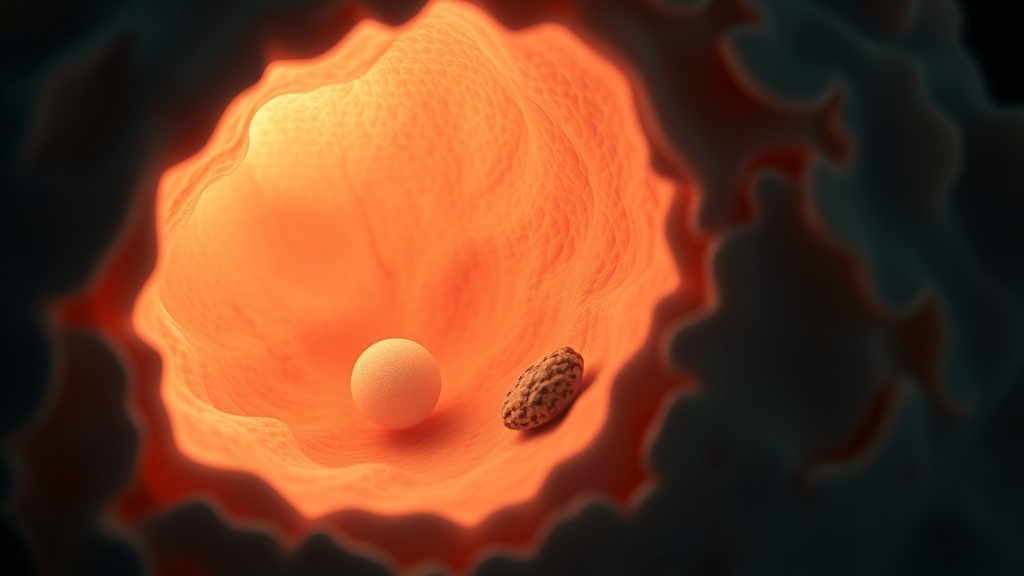 Causes8 min
How Do Tonsil Stones Form? The Biology, Honestly Explained
The unglamorous truth about what a tonsil stone is, how it builds up in the folds of your tonsils, and why the crypts that make them are simply part of your anatomy.
Read →→ Answers8 min
Can a Dentist Remove Tonsil Stones? Your Professional Options
Who actually removes tonsil stones, the in-office options from simple expression to crypt reshaping, and how to know when a professional is worth it.
Read →→